
Companion Plants
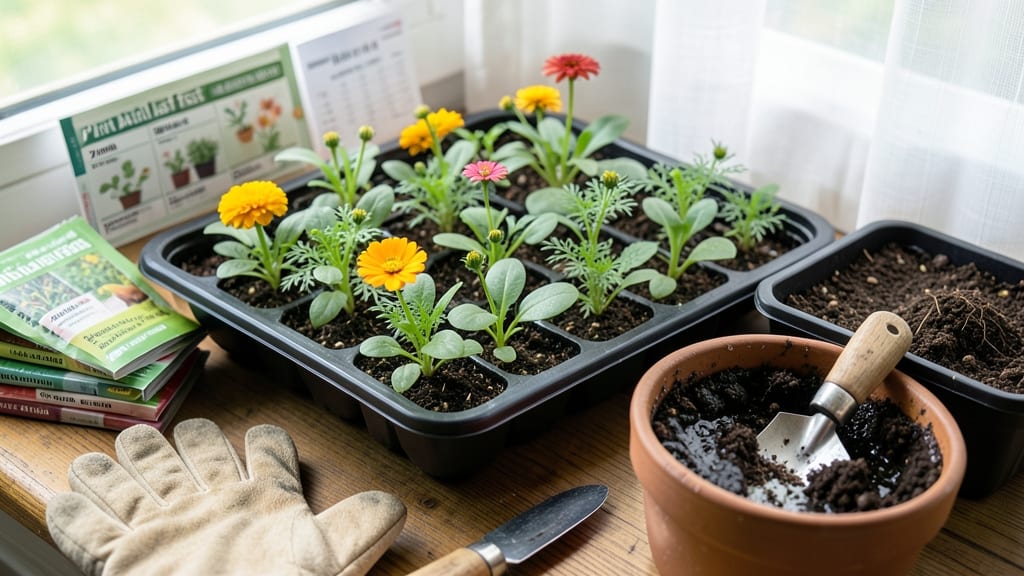
Planting flower seeds in Wisconsin at the right time means the difference between a garden bursting with 🌸 color and one that struggles to take root.
Wisconsin’s unpredictable spring weather can turn your flower garden dreams into a guessing game—unless you follow the perfect planting timeline for your specific hardiness zone.
With USDA Zones 4b-5b to consider, timing matters more than you might think. Plant too early, and frost will nip your seedlings in the bud. Wait too long, and you’ll miss the ideal window for vibrant blooms all season long.
Below, I’ll break down the best months to plant flower seeds in Wisconsin, whether you’re starting indoors or sowing directly into the garden soil.
Wisconsin hardiness zones & ideal flower seed planting dates by month
Wisconsin spans USDA Hardiness Zones 3-5, where last frost dates vary dramatically from northern to southern regions. Zone 3 (north) typically sees frost until May 15, while Zone 5 (south) warms up by April 20.
These differences mean your flower seed planting timeline should align with your specific zone to avoid frost damage.
For spring-blooming flowers, the key is waiting until soil temperatures reach 50°F (10°C) and nighttime temperatures stay above 40°F (4°C). In Zone 4 (central WI), this usually falls between mid-April and early May.
Meanwhile, fall-planted flowers like pansies thrive when sown 6-8 weeks before first frost (typically late July to early August).
Here’s your zone-specific planting calendar for Wisconsin’s most popular flowers, including frost-free dates and ideal soil temperatures:
| Zone | Best Planting Month | Soil Temp Requirement | Frost-Free Window | Ideal Flowers |
|---|---|---|---|---|
| 3 (North) | May 1–15 (spring) or Aug 1–15 (fall) | 50–55°F (10–13°C) | May 20–June 10 | Black-eyed Susan, Coneflower, Marigold |
| 4 (Central) | April 20–May 10 (spring) or July 20–Aug 10 (fall) | 45–50°F (7–10°C) | April 25–May 15 | Petunia, Zinnia, Snapdragon, Coreopsis |
| 5 (South) | April 1–15 (spring) or July 10–20 (fall) | 40–45°F (4–7°C) | April 10–20 | Dahlia, Hollyhock, Bee Balm, Aster |
*Fall planting for cool-season flowers like pansies and calendula can extend blooms into winter.
In Zone 3, where winters are harsher, prioritize hardy perennials like coneflowers and black-eyed Susans, which establish roots early and bounce back from frost. These perennial flowers can handle direct sowing in late spring (after May 1) or even fall planting for early spring blooms next year.
For annual flowers like marigolds or zinnias, which thrive in warm soil, wait until after May 15 in Zone 3 or April 20 in Zone 5. These heat-loving flowers need consistent warmth to germinate, so rushing them risks poor germination or leggy seedlings.
If you’re starting seeds indoors, begin 6–8 weeks before your last frost date. For example, in Zone 4, that means indoor starts by March 1 for spring-blooming annuals like petunias. Use grow lights to supplement natural light, as Wisconsin’s short spring days can stunt seedling growth.
Don’t overlook fall planting—it’s a game-changer for cool-season flowers. Sow pansies, snapdragons, or calendula in late July or August to enjoy early spring blooms the following year. These flowers handle light frosts and even snow cover, making them ideal for Wisconsin’s unpredictable autumns.
Pro tip: Use row covers or cold frames to extend your planting window by 2–3 weeks in spring or fall. This protects tender seedlings from late frosts and early freezes, giving you more flexibility to plant warm-season flowers like sunflowers or cosmos.
Always check your local frost dates using resources like the National Weather Service or Wisconsin State Climatology Office, as microclimates (like urban heat islands) can shift frost timelines by 1–2 weeks. With the right timing, you’ll enjoy longer bloom seasons and healthier flowers all year round.
Best flowers to plant by seed type: annuals vs. perennials in Wisconsin
Choosing between annuals and perennials for your Wisconsin garden depends on your goals: quick color bursts or long-term beauty. Annuals like petunias and marigolds deliver vibrant blooms in one season, while perennials like coneflowers and black-eyed Susans return year after year with minimal effort.
Wisconsin’s hardiness zones 3-5 mean timing matters—plant annuals after last frost (mid-April), while perennials often thrive with fall planting for early spring growth.
Annuals are perfect for seasonal color and quick results, but they require annual replanting. Perennials, however, establish deep roots and multiply over time, reducing long-term work.
For Wisconsin gardens, drought-tolerant perennials like purple coneflower (Echinacea) and Russian sage are ideal—they handle our hot summers and cold winters with ease. Annuals like cosmos and zinnia self-seed, adding free blooms yearly.
When to plant: Annuals go in after frost (late May), while perennials can start indoors in March or directly in fall (September-October). Wisconsin’s short growing season demands strategic choices—prioritize perennials for low-maintenance beauty and annuals for seasonal variety in containers or borders.
Annuals vs. Perennials in Wisconsin
Annuals
- ✅ Pros:
- • Fast blooms (6-8 weeks)
- • Seasonal variety (swap colors yearly)
- • Great for containers (petunias, geraniums)
- ⚠️ Cons:
- • Annual replanting needed
- • Less drought-resistant (needs frequent watering)
Perennials
- ✅ Pros:
- • Returns yearly (low-maintenance)
- • Drought-tolerant (ideal for WI summers)
- • Establishes deep roots (survives winters)
- ⚠️ Cons:
- • Slower to mature (1-2 years for full blooms)
- • Limited seasonal variety (same colors yearly)
Best for Wisconsin: Annuals for borders, perennials for perennials!
For Wisconsin’s climate, pair annuals like cosmos (self-seeding) with perennials like bee balm (aggressive spreader) to create a low-maintenance garden. Start petunia seeds indoors in March for early summer blooms, while coneflower seeds can wait until fall planting for next year’s golden blooms.
Mixing both types ensures color year-round with minimal effort.
Pro tip: Use annuals in containers near patios for seasonal color, while perennials anchor borders with long-term structure. Wisconsin’s hot, humid summers favor drought-tolerant perennials, but annuals like zinnias thrive with consistent moisture. Balance both for a resilient garden that blooms from June to frost.
Remember, Wisconsin’s short season means perennials win for longevity, but annuals shine for instant impact. Try black-eyed Susan seeds in fall for next summer’s bold yellow blooms, or marigold seeds in May for summer pest control. The choice is yours—just time your planting right!