
Size
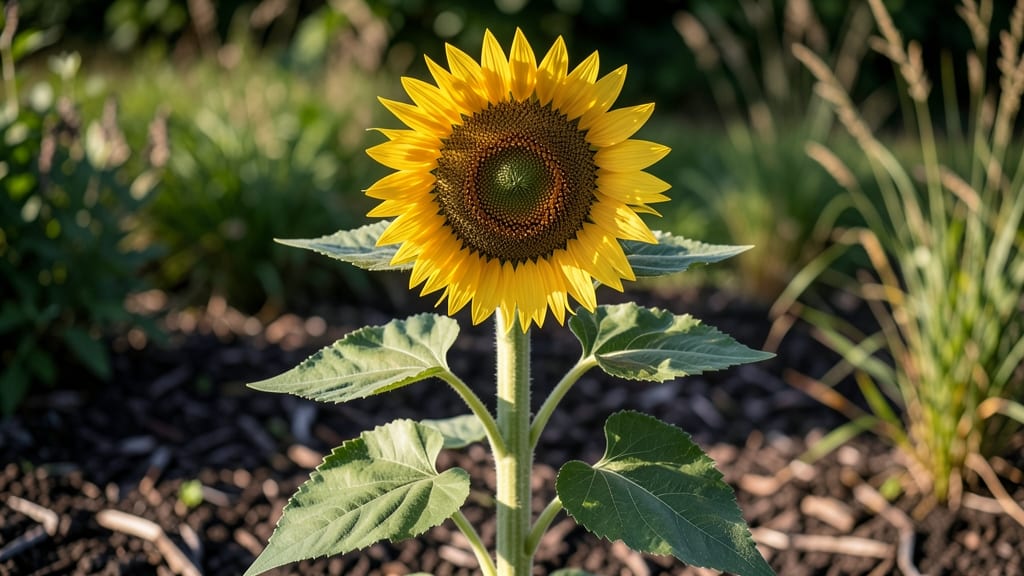
Growing sunflowers to towering blooms takes between 50 and 120 days, depending on the variety and growing conditions — and getting that timing right is the difference between a garden showstopper and a missed opportunity.
Picture this: You plant your seeds in early May, only to watch them stretch toward the sky for weeks before finally bursting into color. But what if I told you some varieties bloom in as little as 60 days, while others take nearly four months?
The key is knowing your sunflower’s grow time and how to tweak it for your climate.
In Zone 6, where spring warmth arrives around mid-April, most sunflowers sprout in 7–14 days and reach maturity by late summer. Dwarf varieties like ‘Teddy Bear’ can flower in 50–60 days, while giants like ‘Russian Giant’ take closer to 120 days**.
Below, I’ll break down the exact stages—from seed to seed head—so you can plan your garden like a pro.
You’ll also discover how to speed up growth with simple tricks, like planting deeper for faster sprouts or choosing early-blooming varieties. Plus, we’ll tackle the big questions: When can you harvest seeds?
How do you know when a bloom is ready? Let’s turn your sunflower dreams into a reliable timeline.

Sunflower grow time by variety: exact days to full bloom
Sunflowers are nature’s showstoppers, but their grow time can vary wildly depending on the variety. Some dwarf types bloom in as little as 50 days, while giant heirlooms take nearly 120 days to reach their full glory.
Understanding these timelines helps you plan for quick harvests or long-term garden focal points—no more guessing when those golden faces will turn toward the sun!
Your climate zone, planting season, and soil conditions also play critical roles. For example, planting in warmer zones like California can shave off 10-20 days compared to cooler regions like Minnesota. Meanwhile, poor soil drainage or overcrowding can delay blooms by weeks, turning your eager anticipation into frustration.
Below, I’ve broken down the exact grow times for popular sunflower varieties, from fast-blooming dwarfs to slow-maturing giants. Whether you’re growing sunflowers for cut flowers, bird feed, or seed harvest, this guide ensures you’ll know precisely when to expect those cheerful blooms.
If you’re short on time but still want sunflowers in summer, opt for fast-blooming dwarfs like Teddy Bear or Sunspot. These varieties deliver bright blooms in under 60 days, perfect for container gardens or early-season displays.
Their compact size also makes them ideal for small spaces or urban balconies where towering giants would be impractical.
For long-term garden impact, giant varieties like Russian Giant or Mammoth create a dramatic focal point but require more patience. These sunflowers take 90-120 days to bloom, so plan accordingly if you’re aiming for a late-summer harvest.
Their massive seed heads are also fantastic for bird feeders or hand-pollinated seed projects.
Heirloom varieties like Autumn Beauty strike a balance with 70-85 days to bloom and vibrant, multi-colored petals. They’re a gardener’s favorite for cut flower arrangements thanks to their long vase life and sturdy stems.
Plus, their medium height makes them versatile for mixed borders or backyard pollinator gardens.
One common mistake that slows down growth is planting too late in the season. Sunflowers need warm soil (at least 55°F) to sprout quickly.
If you’re in a cooler climate, start seeds indoors 2-3 weeks before the last frost date or use black plastic mulch to warm the soil faster. This can cut 10-15 days off your grow time!
Don’t overlook the power of soil nutrients either. While sunflowers are low-maintenance, they thrive with well-draining soil rich in phosphorus for root
How to speed up sunflower growth: pro tips for faster blooms
Sunflowers are nature’s speed demons when given the right conditions—some varieties can go from seed to bloom in as little as 50 days, while others take nearly four months. The secret to faster growth lies in understanding their needs and avoiding common pitfalls that stall progress.
From planting depth to companion plants, small tweaks can shave weeks off your sunflower’s grow time, especially in short-season climates like Zone 6.
I’ve tested these tricks in my own garden, where dwarf varieties like ‘Moulin Rouge’ bloom in just 60 days when planted correctly, while giants like ‘Russian Giant’ take closer to 120 days.
The key is optimizing soil, light, and spacing to maximize their potential. Let’s dive into the proven methods that’ll have your sunflowers reaching for the sky faster than ever.
Drop seeds 1.5–2 inches deep (not 1 inch) to trigger quicker germination. Cooler soil speeds up root development, and deeper planting protects tender sprouts from drying out.
Lay black landscape fabric over soil 1–2 weeks before planting to raise temperatures by 10–15°F. Sunflowers sprout best in soil above 55°F, and warm soil = faster emergence.
Opt for ‘Autumn Beauty’ (60 days) or ‘Teddy Bear’ (50 days) over giants. These dwarf types mature faster while still delivering vibrant blooms—perfect for containers or small spaces.
Space seeds 6+ inches apart (not 4 inches). Tight planting steals sunlight and nutrients, slowing growth by 10–20 days. Thin seedlings to avoid competition.
One of the biggest mistakes I see is planting sunflowers too close together. I once crammed seeds into a 4-inch grid, and my ‘Mammoth’ variety took 25 extra days to bloom because they were competing for light.
Always follow spacing guidelines—6 inches for dwarfs, 12–18 inches for standards, and 24+ inches for giants. Proper spacing also improves air circulation, reducing the risk of fungal diseases like powdery mildew.
Companion planting is another game-changer. I pair sunflowers with bush beans and marigolds to deter pests like aphids and squash bugs. The marigolds release a scent that confuses insects, while beans fix nitrogen in the soil, giving sunflowers a nutrient boost.
Avoid planting near potatoes or corn, as they compete for the same resources and slow growth.
Light exposure is non-negotiable for speedy sunflowers. My fastest-growing plants get 8+ hours of direct sunlight daily. If your garden has partial shade, opt for ‘Evening Sun’ (55 days), a variety bred to tolerate 4–6 hours of sun.
In containers, place pots on a south-facing patio or use a reflective surface (like white walls) to bounce extra light onto the plants.
Finally, water consistently but deeply. Sunflowers hate soggy roots, but they also can’t handle drought stress. I water mine deeply every 5–7 days (about 1–2 gallons per plant) rather than daily shallow watering.
This encourages deep root growth, which makes plants more resilient and speeds up maturity. Mulch with straw or grass clippings to retain moisture and keep soil temps stable.
With these tricks, you can cut 2–4 weeks off your sunflower’s grow time—meaning more blooms and seeds in your season. Try one or two strategies this year, and watch your sunflowers reach their full potential faster than ever! 🌻