
Flowers
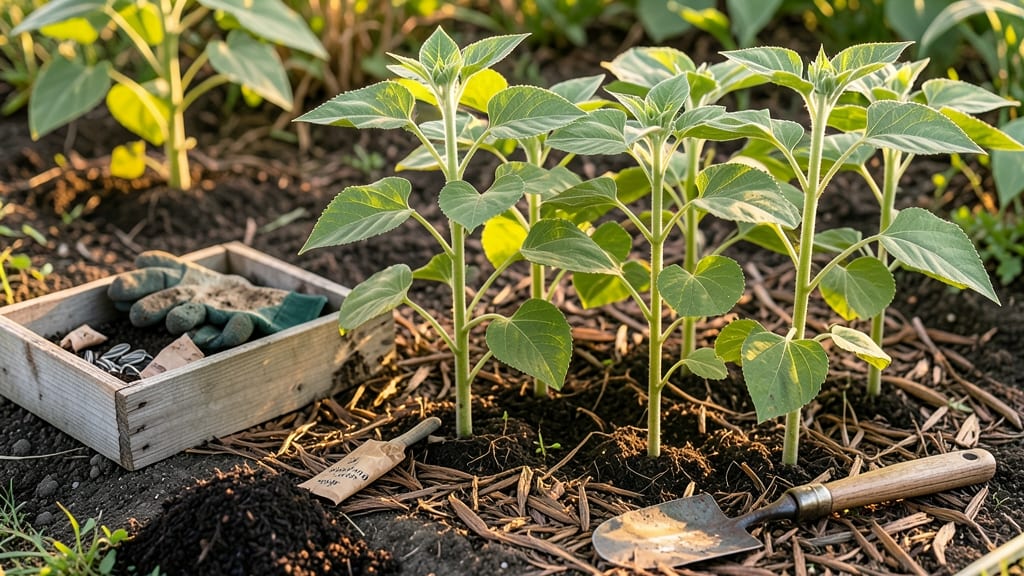
Plant sunflowers in Virginia after your last frost—typically mid-April to early June—but timing varies wildly from the coastal mildness of Norfolk to the mountain chill of Roanoke.
Miss that window, and you’ll end up with leggy, weak stems or worse: sunflowers that bolt in the heat before they bloom. I’ve seen it happen too many times, and the fix isn’t just about the calendar—it’s about knowing your microclimate.
Virginia’s 6a-8a zones mean frost-free dates shift from late March in the Tidewater to early June in the Shenandoah Valley. That’s a six-week difference, and it changes everything from soil prep to seedling strength.
Below, I’ll break down the exact weeks to plant by region, plus how to adjust for late frosts, early heat waves, and the one trick that buys you an extra two weeks of growing season.
Virginia sunflower planting timeline by USDA hardiness zones
Virginia's diverse climate means your sunflower planting schedule depends heavily on your USDA hardiness zone. From the cooler Appalachian mountains (Zone 5a) to the warmer Piedmont (Zone 7b), timing varies by 4-6 weeks.
Let’s break down the ideal windows for direct sowing and seedling transplanting across Virginia’s six zones.
Sunflowers thrive in warm soil and long daylight hours, so planting too early risks frost damage. Aim to sow seeds 2-3 weeks after your last spring frost—this ensures robust growth before summer’s heat peaks.
For giant varieties like 'Russian Giant,' start earlier, while dwarf types like 'Teddy Bear' can handle slightly later plantings.
⚠️ Key Rule: Never plant sunflowers until soil temperatures reach 55°F+. Use a soil thermometer to check—cold soil delays germination. In Virginia, this typically aligns with late April to early June, but mountain regions may need to wait until mid-May.
| USDA Zone | Avg. Last Frost | Ideal Planting Window | Notes |
|---|---|---|---|
| 5a (Mountains) | May 1-15 | Mid-May to early June | Short season; choose early-maturing dwarf varieties. |
| 6a (Northwest VA) | April 15-30 | Late April to early June | Balanced zone; great for standard and semi-dwarf types. |
| 6b (Central VA) | April 1-15 | Early April (under cover) or late April outdoors | Start giant varieties indoors in March for early blooms. |
| 7a (Piedmont) | March 15-April 1 | Mid-March (under cover) or late March outdoors | Long season; ideal for all varieties, including oil types. |
| 7b (Southwest VA) | March 1-15 | Late February (under cover) or early March outdoors | Early planting allows double harvests with succession sowing. |
| 8a (Coastal) | February 15-March 1 | January-February (under cover) or early February outdoors | Warmest zone; plant heat-tolerant varieties like 'ProCut.' |
For Zone 5a gardeners in the mountains, focus on dwarf varieties like 'Moulin Rouge' to ensure blooms before frost. These sunflowers mature in just 60-70 days, making them perfect for short seasons.
In contrast, Zone 8a coastal areas can push the envelope with early February plantings—just protect seedlings with row covers if nights dip below 40°F.
Pro tip: Use black plastic mulch to warm soil faster in cooler zones. This can shave 1-2 weeks off your planting timeline by raising soil temperatures by 5-10°F. Pair this with succession planting every 2 weeks in Zones 7a-8a to enjoy sunflowers from summer through fall.
If you’re unsure about your zone, check the Virginia Cooperative Extension’s frost maps or use the USDA Plant Hardiness Zone Map. Local nurseries often provide hyper-local advice, too—ask about microclimate adjustments for your specific neighborhood, especially if you’re near water bodies or urban heat islands.
Remember, sunflowers are fast growers—some varieties reach 5 feet in just 30 days. By planting at the right time, you’ll avoid leggy, weak stems and ensure those iconic yellow blooms steal the show all season long. 🌻
Microclimate adjustments for coastal, Piedmont, and mountain regions
Virginia’s diverse geography creates three distinct microclimates—each with unique challenges for growing sunflowers. The coastal plain enjoys milder winters, while the Piedmont faces intense summer heat, and the mountains experience earlier frosts. Understanding these differences helps you time your plantings perfectly for healthy, thriving blooms.
In coastal Virginia (USDA zones 7b-8a), you can start sunflower seeds as early as late March, thanks to warmer temperatures.
The Piedmont region (zones 6a-7a) demands mid-April to early May plantings to avoid heat stress, while mountain areas (zones 5b-6b) require waiting until after May 15 to escape late frosts.
| Region | USDA Zone | Best Planting Window | Key Adjustments | Heat/Frost Tips |
|---|---|---|---|---|
| Coastal Plain | 7b-8a | Late March–April 15 | Soil warms faster; use dwarf varieties for wind protection | Monitor for humidity-related diseases; stake tall varieties |
| Piedmont | 6a-7a | Mid-April–May 1 | Plant heat-tolerant varieties like 'Russian Giant' | Mulch heavily to retain moisture during summer droughts |
| Mountains | 5b-6b | After May 15 | Choose early-maturing varieties (50-60 days) | Use row covers for late frosts; plant near south-facing walls |
For Piedmont gardens, where summer temperatures often exceed 90°F, focus on heat-resistant varieties like 'Autumn Beauty' or 'ProCut'. These varieties thrive in intense heat and still produce vibrant blooms until frost.
Water deeply in the early morning to reduce stress, and consider shade cloth for seedlings until they establish roots.
In mountain regions, where frosts can linger into June, opt for fast-growing dwarf sunflowers like 'Teddy Bear'. These varieties reach maturity in 50-60 days, giving them time to bloom before the first frost.
If you’re worried about late frosts, use frost blankets or plant near stone walls to trap heat.
Coastal gardeners should prioritize wind protection for sunflowers, as ocean breezes can topple tall varieties. Use stakes or cages and plant in sheltered spots. For all regions, direct sow seeds after the last frost—indoor starts aren’t necessary for sunflowers, as they germinate quickly in warm soil.
Adjust your planting schedule based on your local last-frost date, but remember: sunflowers are resilient. With the right microclimate adjustments, you’ll enjoy sunny, cheerful blooms from July through October—no matter where you garden in Virginia. 🌻