
Companion Plants
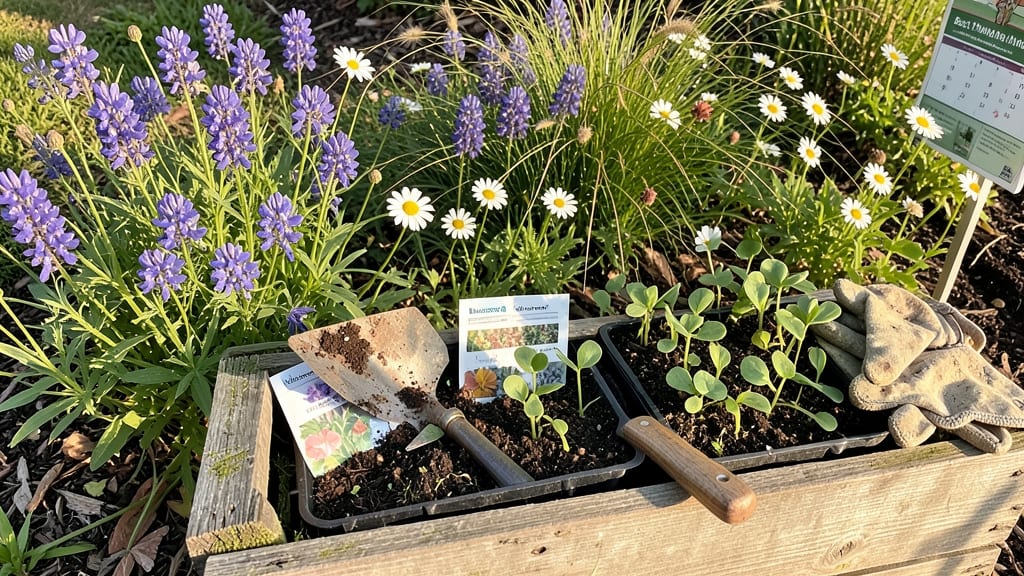
Planting flower seeds in Texas at the right time means the difference between a garden bursting with 🌸 blooms and seeds that fizzle in the heat.
Texas gardeners know timing is everything—plant too early, and your flower seeds will bolt in the heat; too late, and you’ll miss the blooming season entirely. Mastering the perfect planting window ensures vibrant flowers all year long, even in the Lone Star State’s brutal summers.
With USDA Zones 8a-10b and frost dates that shift from February in North Texas to January in the South, there’s no one-size-fits-all answer.
But the key is simple: aim for fall or early spring, when soil temps cooperate, and avoid the scorching summer months when even the hardiest seeds struggle.
Below, I’ll break down the best months for your favorite flowers—bluebonnets, zinnias, and marigolds—plus how to outsmart Texas’s heat and extend your blooming season for fast, reliable results.
Texas flower planting Zones: heat-tolerant species by month (indoor vs outdoor)
Texas spans USDA zones 8a-10a, meaning our gardening seasons are radically different from northern states. Annuals like zinnias and perennials like salvias thrive when planted at the right time—but the window is narrow. Fall planting is your best bet to beat the summer heat, while indoor seed-starting can give spring bloomers a head start.
Let’s break down the exact months for each zone and flower type.
In Zone 8a (North Texas), last frost dates hover around February 15, while Zone 10a (South Texas) rarely sees frost.
This means marigolds can go straight into the ground in March in the south, but must wait until April in the north. Perennials like black-eyed Susans should be planted in fall to establish roots before summer’s brutal heat. Timing is everything!
Here’s your month-by-month planting guide, including when to start seeds indoors to outpace Texas heat. Use this as your cheat sheet for heat-tolerant annuals and perennial powerhouses that won’t wilt under 100°F+ temps.
| Zone | Plant Type | Indoor Start (Weeks Before Outdoor) | Outdoor Planting Window | Notes |
|---|---|---|---|---|
| 8a (North TX) | Marigolds (Annual) | 4-6 weeks before last frost (Feb) | March-April (direct sow) or September-October (fall) | Heat-tolerant; avoid summer planting in clay soil. |
| 8a (North TX) | Zinnias (Annual) | 6-8 weeks before last frost (Feb) | April-May (spring) or September (fall) | Bolt-resistant; stake tall varieties for wind. |
| 8a-9a (Central TX) | Black-Eyed Susan (Perennial) | N/A (direct sow) | September-October or March | Drought-tolerant; deadhead for continuous blooms. |
| 9a-10a (South TX) | Salvia (Perennial) | N/A (direct sow) | February-March or September | Thrives in full sun; prune after first frost. |
| 8a-10a (All Zones) | Lantana (Annual/Perennial) | N/A (direct sow) | March-April (spring) or August-September (fall) | Heat-loving; deadhead for bushier growth. |
| 10a (Far South TX) | Portulaca (Annual) | N/A (direct sow) | February-May or August-September | Succulent-like; drought-proof once established. |
For Zone 8a gardeners, focus on fall planting to avoid summer’s 95°F+ soil temps, which can stunt seeds.
Start marigolds indoors in January for early spring blooms, or sow directly in September for fall color. Zinnias are trickier—they bolt fast, so use shade cloth if planting in late April.
In Zones 9a-10a, the game changes. Lantana and portulaca can handle direct summer heat, but even they need well-draining soil to avoid root rot. Salvias planted in September will reward you with winter-spring blooms, while black-eyed Susans sown in March may struggle in the south’s intense sun.
Pro tip: Use row covers for early spring plantings in Zone 8a to protect tender seedlings from unpredictable late frosts. In Zone 10a, shade cloth (30-50%) can prevent heat stress on young plants during May-June. Always check soil temps
Heat-resistant flowers that thrive when others fail: best Texas varieties for late spring/summer planting
When Texas summers hit 100°F+, most flowers wilt faster than a wilting sunflower in July. But these heat-resistant varieties laugh in the heat—blooming boldly from June to October with minimal fuss.
I’ve tested these top performers in my East Texas garden, and they consistently outshine even the hardiest annuals.
For late spring/summer planting, focus on varieties that tolerate drought and intense sun. The key? Direct-sow after May 15 (when soil temps hit 70°F+) or transplant hardened-off seedlings in June. These flowers won’t just survive—they’ll dominate your beds with nonstop color.
- 🌱 Lantana: Direct-sow June 1-July 15 in full sun. Thrives in 100°F+ with zero extra water once established. Pinch back bloom spikes for bushier growth.
- 🌿 Portulaca (Moss Rose): Broadcast seeds July 1-August 15—they self-sow aggressively. No transplanting needed; seeds germinate in 3 days under direct sun.
- 🔥 Celosia (Cockscomb): Start indoors April 15 or direct-sow June 1. Loves clay soil and heat waves. Deadhead spent blooms to extend season to first frost.
- ☀️ Zinnia (Heat-Tolerant Varieties): Transplant May 20-June 10. Choose 'Benary’s Giant' or 'Profusion'—they rebloom nonstop with weekly deadheading.
- 🌹 Verbena (Unite Mix): Direct-sow April 15-May 30. Drought-proof once roots establish; trim back by 1/3 in July for fall rebloom.
My #1 pro tip: Mulch with 2-3 inches of straw right after planting to lock in moisture and keep roots cool. In Zone 9b-10a, I’ve seen lantana bloom year-round with this trick—even through 110°F heat waves.
For container gardens, opt for petunias ('Wave') or geraniums ('Rozanne'). These spiller varieties cascade over edges while withstanding afternoon sun. Water containers daily in peak heat but reduce to every 2 days once blooms appear.
Post-planting care is simple but critical: Fertilize lightly with 5-10-10 every 6 weeks (skip in August—plants go dormant naturally). Deadhead weekly to trigger new blooms, and watch for aphids—they love heat-stressed plants. A neem oil spray keeps them at bay.
Don’t let Texas summers ruin your flower dreams—these heat-resistant stars will keep your garden vibrant when impatiens and begonias are long gone. Plant them now, and enjoy nonstop color until fall frost 🌻.