
Planting
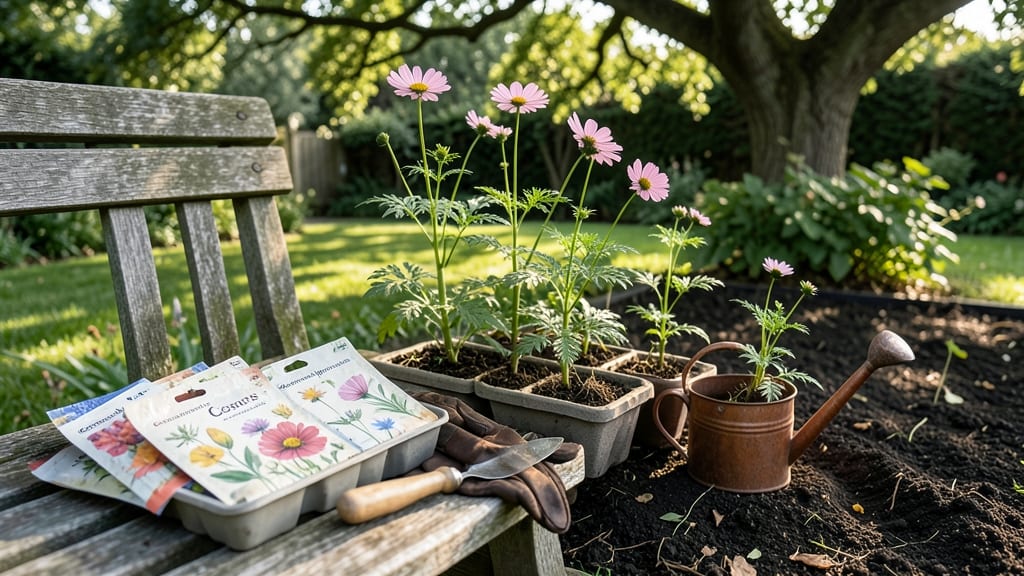
Planting flower seeds in July turns your garden into a nonstop summer parade of color 🌸 — if you pick the right heat-loving varieties that sprout fast and don’t wilt under the midday sun.
Picture this: you’ve just tucked in a few packets of cosmos and zinnias when the first sprouts push through the soil in 7–10 days instead of weeks. That’s the magic of July planting—bold blooms in record time, with minimal fuss.
But here’s the catch: not all flowers play nice in the heat. The fastest germinators—like marigolds and sunflowers—need the right soil, spacing, and watering tricks to beat the July heat. Skip those, and you’re left with bare patches and wilting dreams.
In this guide, I’ll walk you through the top 10 quick-sprouting flowers for July, soil prep secrets, and a watering schedule that keeps your seedlings thriving—no green thumb required.
Top 10 fast-germinating flower seeds for July planting
July is the ideal time to sow seeds for vibrant summer blooms that will transform your garden into a colorful paradise. With warm soil temperatures and long daylight hours, you can enjoy quick germination and lush growth.
I’ve handpicked 10 fast-sprouting flower seeds that thrive when planted in July, offering bold colors and minimal waiting time for those stunning blooms.
These annuals and perennials are chosen for their rapid germination (5–14 days) and ability to flourish in summer heat. Whether you’re a beginner or seasoned gardener, these varieties deliver high-impact results with low effort. Let’s dive into the best options for your July planting schedule!
Why July? July’s warm soil (above 60°F) and consistent sunlight create perfect conditions for seeds to sprout quickly. Many flowers planted in late spring struggle in summer heat, but these heat-tolerant varieties thrive when sown now. Plus, you’ll enjoy blooms just in time for late summer and fall festivals!
| Flower | Germination Time | Sunlight Needs | Planting Depth | Bloom Time |
|---|---|---|---|---|
| Marigold | 5–7 days | Full sun (6+ hrs) | ¼ inch deep | 60–75 days |
| Zinnia | 6–10 days | Full sun | ½ inch deep | 50–60 days |
| Cosmos | 7–14 days | Full sun | ½ inch deep | 60–70 days |
| Sunflower | 7–10 days | Full sun | 1 inch deep | 60–90 days |
| Bachelor’s Button | 7–14 days | Full sun | ¼ inch deep | 50–60 days |
| Nasturtium | 7–14 days | Partial sun | ¼ inch deep | 50–60 days |
| Sweet Alyssum | 5–10 days | Full sun/partial shade | ¼ inch deep | 45–55 days |
| Pansy | 7–14 days | Partial shade | ¼ inch deep | 50–60 days |
| Larkspur | 10–14 days | Full sun | ½ inch deep | 60–70 days |
| Calendula | 5–10 days | Full sun | ½ inch deep | 50–60 days |
Marigolds are my top recommendation for July planting—they germinate in just 5–7 days and repel pests naturally. Their bright orange and yellow blooms add warmth to any garden bed. Plant them ¼ inch deep in well-draining soil for the fastest results.
Zinnias are another standout, offering 50–60 days to bloom and thriving in full sun. Their vibrant colors attract pollinators like butterflies, making your garden a buzzing hub. Sow seeds ½ inch deep and keep soil moist until germination.
For a
July planting tips: soil, watering, and spacing secrets
July’s warm soil and long days create the perfect conditions for fast-growing summer flowers—but only if you follow a few key strategies. The secret to high germination rates lies in preparing soil properly, watering wisely, and spacing seeds correctly to prevent competition.
Skip these steps, and your seeds may struggle to break through the heat. Let’s dive into the techniques that’ll give you a lush, blooming garden in no time.
First, focus on soil temperature and moisture. July’s heat can dry out seedbeds quickly, so aim for soil that’s at least 60°F (15°C) before planting. Test this by pressing your finger into the soil—it should feel warm but not scorching.
If your soil is too dry, water it thoroughly 24 hours before planting to create an ideal environment for germination. This pre-watering trick prevents seeds from drying out immediately after sowing.
- 1. Soil Prep: Mix in 1 inch of compost or aged manure to improve drainage and fertility. For heavy clay soil, add sand or perlite to loosen it.
- 2. Mulching: Apply a 1-inch layer of straw or shredded leaves after planting to retain moisture and block weeds. Avoid thick mulch, which can suffocate seeds.
- 3. Watering Schedule: Water early morning only (before 9 AM) to reduce evaporation. Use a gentle spray to avoid displacing seeds—aim for 1/4 inch of water per week.
-
4. Spacing Formulas:
- Small flowers (e.g., marigolds): 6–8 inches apart
- Medium flowers (e.g., zinnias): 10–12 inches apart
- Tall flowers (e.g., sunflowers): 18–24 inches apart
- 5. Shade Cloth: Use 30% shade cloth over newly planted seeds if temperatures exceed 90°F (32°C). Remove after germination to encourage strong stems.
When it comes to spacing your seeds, think of it as giving each plant room to thrive. Crowded seedlings compete for nutrients and light, leading to leggy, weak stems. For example, cosmos seeds should be spaced 12 inches apart, while nasturtiums can handle 8–10 inches.
If you’re planting in rows, keep them 18–24 inches apart to allow airflow and reduce disease risk. Pro tip: Use a seed spacing chart or mark your rows with sticks to avoid guesswork.
Don’t overlook the power of mulching—it’s your secret weapon against July’s heat. A light layer of organic mulch (like straw or grass clippings) keeps soil moist, regulates temperature, and suppresses weeds. Just be sure to keep mulch 2–3 inches away from seedling stems to prevent rot.
For extra protection, try a mulch blend of straw and compost, which adds nutrients as it breaks down. This combo works wonders for heat-loving flowers like lantana and portulaca.
Finally, adjust your watering routine to match July’s demands. Most flower seeds need consistent moisture but hate soggy soil. Water deeply every 2–3 days in the morning, using a soaker hose or drip irrigation to deliver water slowly at the base of plants.
Avoid overhead watering, which can spread disease and waste water through evaporation. If you’re using pots, check soil moisture daily—container-grown plants dry out 3x faster than in-ground plants.
With these soil, watering, and spacing secrets, your July-planted flower seeds will germinate faster and grow stronger. Stick to these proven techniques, and you’ll be rewarded with a burst of summer color by late August. Happy planting! 🌻