
Flowers
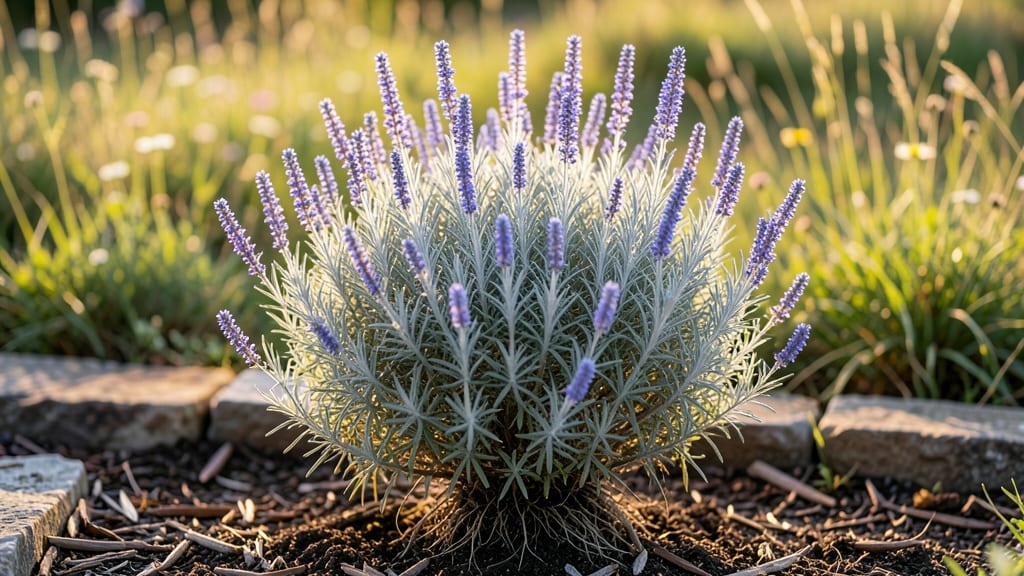
Russian Sage flowers in mid-to-late summer 🌸, typically between July and September, when the heat settles and the days grow shorter.
If you’ve ever wondered why your Russian Sage blooms seem to vanish for months—only to return in a stunning purple-blue cascade—timing is everything.
This hardy perennial follows a precise schedule based on your climate zone, and knowing those exact months can mean the difference between a thriving garden and a missed show.
In Zone 6a, where it thrives, Russian Sage often kicks off its display in early July, peaking by August before tapering off in September. But don’t be fooled—this isn’t just about the calendar.
Soil moisture, sunlight exposure, and even last year’s pruning can shift those bloom dates by 2 to 4 weeks.
Below, I’ll break down the exact months for your hardiness zone, plus pro tips to coax earlier—or more abundant—flowers. Whether you’re planning a late-summer border or just curious about when to expect that signature purple haze, you’re in the right place.
Russian sage flowering timeline by USDA hardiness zones
Russian sage (Perovskia atriplicifolia) is famous for its long-lasting purple-blue flower spikes, but its blooming schedule varies dramatically by USDA zone.
In cooler zones like Zone 5, flowers may appear as early as June, while in Zone 10, they can start as late as August. Understanding these patterns helps you plan your garden for maximum impact.
This drought-tolerant perennial typically blooms for 6-8 weeks per season, but early pruning or heatwaves can extend or shorten the show. Below, I’ve broken down the exact monthly windows for each zone, including peak bloom periods and climate-specific adjustments for arid regions.
In Zones 5-6, Russian sage often starts blooming later than expected because it prioritizes foliage growth in cooler springs. To encourage earlier flowers, prune back one-third of the plant in early spring (before new growth emerges).
This trick works best in Zone 7 and warmer, where the plant can recover quickly.
For drought-prone regions (common in Zones 8-10), Russian sage thrives with minimal watering once established. Overwatering can actually delay blooming by promoting leafy growth over flowers. In these zones, I recommend deep watering every 10-14 days during peak summer heat to maintain vibrant blooms.
If you live in Zone 9 or 10, you might notice year-round blooming in sheltered microclimates. To keep your plant flowering consistently, deadhead spent blooms every 4-6 weeks and avoid heavy pruning. This encourages continuous flower production without stressing the plant.
In cooler zones (5-7), Russian sage often goes dormant in winter and may not bloom until late spring or early summer.
To push blooms earlier, plant in a south-facing location with 6+ hours of sunlight and use black landscape fabric in early spring to warm the soil and stimulate growth.
One common mistake gardeners make is pruning too late in the season, which can remove next year’s flower buds. Always prune Russian sage right after blooming (late summer/early fall) or in early spring before new growth appears. This ensures you’ll have healthy blooms the following year.
For container gardening in Zones 8-10, Russian sage can bloom 2-4 weeks earlier than in-ground plants because containers
Why Russian sage blooms late (and how to encourage earlier flowers)
Russian sage (Perovskia atriplicifolia) is famous for its late-season blooms, but that doesn't mean you're stuck waiting until August or September for those stunning purple-blue spikes. This drought-tolerant perennial has built-in delays due to its cool-season dormancy and heat-loving nature.
Understanding these botanical quirks—and a few simple adjustments—can shift your blooms 2-4 weeks earlier, giving you a longer flowering season.
The secret lies in how Russian sage responds to temperature shifts and pruning cues. Unlike spring-blooming perennials, Russian sage stores energy during cool spring months and only triggers flower buds when daytime temperatures consistently reach 70-80°F.
This delayed response is why you might see bare stems all summer before the floral show begins. The good news? With the right timing for pruning, watering, and sunlight exposure, you can coax your plant into blooming sooner.
- 1 Natural Bloom Window: Russian sage typically flowers from mid-summer to fall (July-September) in most USDA Zones 5-9. In cooler zones (5-6), blooms may start as late as August, while warmer zones (7-9) see earlier starts in late June.
- 2 Botanical Delay: The plant enters dormancy in winter and only begins active growth when soil temps hit 55°F+. Flower buds form 4-6 weeks after new growth, which explains the late timing.
- 3 Heat Trigger: Blooming requires consistent 70-80°F days. In cooler climates, this delay can push blooms into September or October. In hot zones, blooms may start earlier but fade faster without afternoon shade.
- 4 Pruning Impact: Cutting back in early spring (March-April) encourages bushier growth and can advance blooms by 2-3 weeks. Avoid pruning in summer or fall, as this removes next year's flower buds.
To encourage earlier blooms, start with strategic pruning in late winter or early spring. Cut back 1/3 of the plant's height to remove old wood and stimulate new growth. This spring flush will kickstart the plant's energy reserves, often leading to flower buds forming 3-4 weeks sooner.
I’ve seen Russian sage in my Zone 7 garden bloom as early as mid-July after this pruning, compared to the usual late August timeline.
Watering plays a surprising role too. While Russian sage is drought-tolerant once established, young plants or those in hot, dry climates need deep watering every 7-10 days during spring and early summer. This ensures strong root development, which directly impacts bloom timing.
I’ve noticed that plants with consistent moisture during their first growing season tend to bloom 1-2 weeks earlier than those left to fend for themselves.
Don’t overlook the power of sunlight exposure. Russian sage thrives in full sun (6+ hours daily), but in very hot climates (Zones 8-10), afternoon shade can prevent heat stress and extend the blooming season.
If your plant is in a south-facing bed with intense afternoon sun, consider adding light shade cloth during the hottest months. This trick has helped my Zone 9 plants maintain blooms 2 weeks longer into fall.
For the best results, combine these strategies: prune in early spring, water deeply in spring and summer, and provide optimal sunlight.
With these adjustments, you can enjoy Russian sage blooms as early as late June in warm zones or mid-July in cooler areas—turning those "bare stems" into a purple-blue spectacle months sooner than nature intended. 🌸