
Flowers
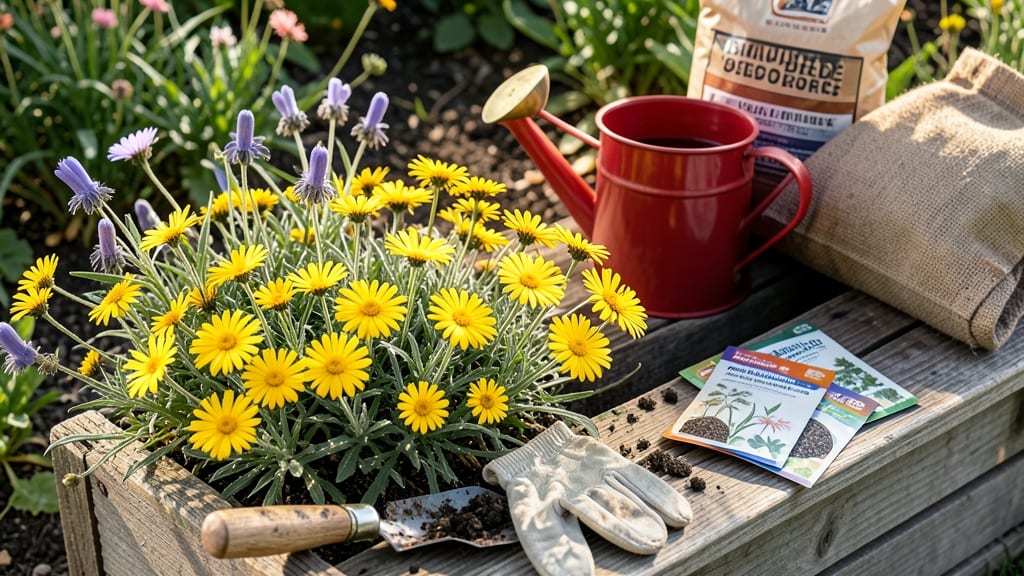
Planting flowers in Arizona at the right time means beating the heat and monsoons—fall and winter are your best bets for heat-resistant varieties that thrive in Zone 9b.
Picture this: you’ve just planted your 🌸 in early October, only to watch them bolt in the desert sun by April. That’s why timing matters—too early, and the heat zaps their energy; too late, and they miss the cooler months.
But with the right schedule, your garden can bloom year-round, even in the Low Desert’s brutal summers.
Here’s the secret: most Arizona flowers—like desert marigolds and bougainvillea—prefer cooler soil, so September through November is prime. We’ll break down the exact months for your zone, plus the top 10 heat-proof picks that won’t wilt under the sun.
Ready to skip the guesswork? You’ll learn how to prep soil for desert conditions, avoid common mistakes (like overwatering in summer), and even adjust for urban microclimates. Let’s get those blooms growing!
Arizona flower planting calendar by USDA zone: exact months for success
Arizona’s diverse USDA zones create unique challenges for gardeners. The Low Desert (10a/11a) like Phoenix swelters year-round, while Mid Elevation (8a/9a) areas like Sedona experience milder winters, and the High Desert (7a/8a) like Flagstaff faces cooler nights.
Timing your flower planting correctly ensures vibrant blooms and avoids heat stress or frost damage.
Cooler months—September through March—are ideal for most Arizona flowers. This window lets plants establish roots before summer’s 110°F+ temperatures. Heat-loving annuals like Desert Marigolds can handle late spring planting, but perennials and bulbs thrive with early starts.
Let’s break it down by zone to maximize your garden’s potential.
Pro Tip: Always amend soil with compost before planting. Arizona’s clay-heavy soils drain poorly, and adding organic matter improves root development. Mulch with gravel or bark to retain moisture and regulate soil temperature.
In the Low Desert (10a/11a), focus on fall planting (September–November) for annuals like Zinnias and Portulaca, which tolerate heat once established. Bulbs such as Daffodils should go in December–January to bloom in early spring before temperatures rise. Avoid planting anything in April–June unless it’s a heat-tolerant succulent.
For Mid Elevation (8a/9a) gardens, extend your planting into August for cool-season bloomers like Sweet Alyssum or Stock.
These thrive with the monsoon rains and provide color until winter. Perennials like Lavender can be planted in November for spring blooms, but avoid summer heat stress by keeping them well-watered.
High Desert gardeners in Zone 7a/8a have a longer spring window (May–July) for direct-sowing flowers. Blanket Flower and Yarrow love the cooler nights and will reward you with months of blooms. Plant bulbs like Tulips in September–October to avoid winter dormancy issues.
Regardless of zone, watering schedules are critical. Newly planted flowers need deep watering 2–3 times per week for the first month. After establishment, reduce to weekly deep soaks or rely on drip irrigation to conserve water. Morning watering prevents fungal diseases from evening moisture.
Don’t forget about seasonal maintenance. In Low Desert areas, apply a 2–3 inch mulch layer in late summer to protect roots from heat. For High Desert zones, prune back perennials in early spring to encourage new growth before the growing season peaks.
With this zone-specific calendar, you’ll avoid the common mistakes of planting too early or too late. Whether you’re in scorching Phoenix or cooler Flagstaff, timing your flower planting right ensures a vibrant, low-maintenance garden that thrives year-round.
Top 10 heat-resistant flowers for Arizona gardens & when to plant them
Arizona’s brutal summers demand flowers that can handle 110°F+ temperatures and low humidity. The good news? Native and adapted varieties thrive here—if you plant them at the right time.
Most heat-resistant flowers prefer cooler soil, so September through November is your golden window. These top 10 picks won’t just survive—they’ll bloom spectacularly with minimal fuss.
For example, Desert Marigold (Baileya multiradiata) and Blackfoot Daisy (Melampodium leucanthum) are local favorites because they’ve evolved to handle drought and intense sun. But timing matters: plant them too early in summer, and they’ll struggle to establish roots before the heat peaks.
Let’s dive into the best varieties and their exact planting schedules for Arizona’s three main zones.
Start with Mexican Sunflower (Tithonia rotundifolia), a towering 6-foot beauty that blooms from late summer to frost. Plant its seeds in August for Mid Elevation or September for Low Desert—just after the monsoon rains soften the soil.
This variety handles poor soil and minimal water, making it perfect for Arizona’s clay-heavy ground. Pair it with Blanket Flower (Gaillardia), which thrives in full sun and rocky soil, ideal for desert landscapes.
For year-round color, try Bougainvillea, a heat-loving perennial that blooms in spring and fall. In Low Desert zones, plant it in October to avoid summer stress; in cooler High Desert areas, wait until May.
Mulch heavily with gravel or bark to retain moisture and regulate soil temperature. Another standout is Desert Lantana (Lantana camara), which produces clustered blooms from April through November—plant it in spring or fall for best results.
Don’t overlook native wildflowers like Penstemon (beardtongue) or Arizona Poppy (Kallstroemia grandiflora), both of which thrive with zero supplemental water after establishment. These drought-proof picks should be sown in early fall (September-October) to take advantage of cooler temperatures and occasional rains.
Even succulent-like flowers such as Ice Plant (Delosperma) fit this category—they spread aggressively in full sun and need almost no water once rooted.
Pro tip: Always water deeply after planting to encourage root growth, then reduce frequency as temperatures rise. Most of these flowers hate soggy soil, so well-draining ground is non-negotiable. For container gardens, use cactus mix with added perlite to mimic desert conditions.
With the right timing and care, your Arizona garden can burst with color from spring to frost—without breaking the bank on water.
Need a quick cheat sheet? Bookmark these planting windows:
- Low Desert (Phoenix, Tucson): September-November
- Mid Elevation (Flagstaff foothills): August-October
- High Desert (Prescott, Sedona): May-June
Pick your zone, grab these heat-resistant stars, and watch your garden thrive under the Arizona sun! 🌵