
How To
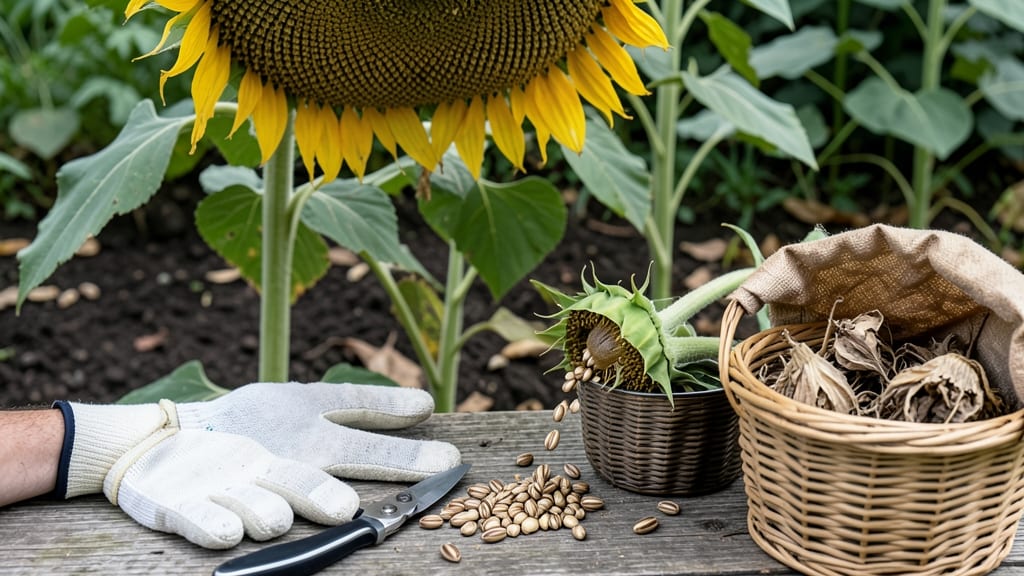
Knowing when sunflower seeds are ready to harvest means catching them at the perfect moment—when the heads turn brown, the petals droop, and the seeds rattle inside.
If you’ve ever watched your 🌻 sunflowers stand tall only to wonder whether to pick them now or wait a little longer, you’re not alone. Harvesting too early means soft, unusable seeds, while waiting too long risks losing them to birds or poor storage quality.
This guide breaks down the key visual cues—like seed head color, petal position, and even the sound of a ripe flower—so you never miss the window. Plus, I’ll share how to test ripeness with a simple finger squeeze and protect your harvest from pests.
By the end, you’ll confidently spot the ideal harvest time, shell seeds with ease, and store them for next year’s garden. Let’s dive into the signs that tell you it’s finally time to pick!
5 Key visual & physical signs sunflower seeds are harvest-ready
Knowing exactly when to harvest sunflower seeds can make the difference between a bountiful yield and wasted effort. The perfect harvest window is brief, so learning these 5 key visual cues will help you time it perfectly.
Pay attention to changes in the seed head, petals, and even the plant's behavior—each signals the seeds are reaching maturity.
Sunflowers are ready for harvest when their seed heads transition from vibrant green to a rich, brown or tan color. This color change happens naturally as the seeds mature and dry out. The back of the seed head often turns brown first, followed by the entire head.
Don’t wait until the seeds are completely black or shriveled, as this means they’ve passed their prime and may not germinate well.
Here’s how to spot the 5 key signs your sunflower seeds are harvest-ready:
The bright yellow sunflower petals will start to brown and droop, signaling the seeds are nearly ready. This happens naturally as the plant redirects energy to seed maturation.
The seed head will dry out and turn from green to brown or tan. At this stage, the outer layers become dry and papery, making them easy to handle without breaking.
Gently shake the seed head—if you hear a dry rattling sound, the seeds inside are fully mature and ready for harvest. This indicates they’ve reached the ideal moisture level.
Open a few seed pods to check the seed color. Mature seeds will be black or dark brown, while immature seeds remain green or white. Avoid harvesting if seeds are still greenish.
The stem supporting the seed head will start to yellow and dry out. This is a final sign that the plant is redirecting nutrients to the seeds, confirming they’re ready for harvest.
One common mistake is waiting too long—overripe seeds may shrink or sprout inside the head, reducing their viability. If you notice birds pecking at your sunflowers, it’s a sign the seeds are nearly ready, as birds target mature seeds.
However, don’t rush the harvest; wait until at least 3 of these 5 signs appear to ensure the best quality.
Timing your harvest correctly also depends on your climate. In warmer regions, sunflowers may mature faster, while cooler areas could extend the growing season. If frost is forecasted before your sunflowers reach maturity, consider harvesting slightly earlier and drying the seeds indoors to preserve their quality.
Once you’ve confirmed the seeds are ready, use a sharp pair of pruners to cut the seed head from the stem, leaving a 1-2 inch stem attached. This makes handling easier and prevents the head from breaking apart.
Hang the seed heads upside down in a dry, well-ventilated area for 1-2 weeks to fully dry before removing the seeds.
Pro tip: Place a paper bag or tray under the drying heads to catch any seeds that fall off naturally. This ensures you don’t lose any of your hard-earned harvest while they’re drying.
Once fully dry, the seeds will pop out easily when rubbed between your palms, ready for storage or planting.
By mastering these 5 visual and physical signs, you’ll never miss the perfect moment to harvest sunflower seeds again. Happy gardening! 🌻
How to test sunflower seed ripeness (the finger squeeze method)
Sunflowers are generous with their seeds, but harvesting too early or too late can mean wasted effort. The finger squeeze method is my foolproof way to test seed ripeness without guessing. This simple tactile check helps determine if seeds are ready for harvest or still need time on the stalk.
Start by selecting a fully mature sunflower head—one where the petals have mostly fallen off or drooped. Look for a brown, papery back rather than green. These are the first clues that seeds might be ready, but don’t rely on looks alone. That’s where the finger test comes in.
If seeds feel too soft or crumbly, they’ve overripened. Overripe seeds may sprout poorly or not at all. Harvest when seeds are firm but not rock-hard—this balance ensures the best chance for successful germination.
To perform the test, gently squeeze a seed between your thumb and forefinger. If it feels firm but gives slightly, like a ripe avocado pit, it’s ready.
If it’s hard as a rock, the seeds need more time. If it’s soft or mushy, the head is overripe and may attract pests or mold.
For premature seeds, leave them on the stalk for another 3-5 days. Check daily with the finger test until you hit that perfect firmness. If you’re in a hot, dry climate, seeds may ripen faster—keep an eye on them to avoid missing the window.
Once you’ve confirmed ripeness, harvest the seeds by cutting the entire head from the stalk. Hang it upside down in a dry, well-ventilated spot for 1-2 weeks to dry completely. This final step ensures seeds stay viable for next year’s planting.
With this method, you’ll never waste another sunflower harvest. The finger test is quick, reliable, and saves you from the heartbreak of finding empty seed heads or seeds that won’t sprout. Happy harvesting!