
You have read a hundred of these
You’re right to be sceptical. Most gardening advice is written by people who’ve never failed, or who treat failure like a bad photo—delete and try again.
We’ve lost entire seed batches to damp rot, had tomato plants collapse under the weight of their own fruit, and watched hard-won compost heaps turn to sludge overnight. The difference here is that we write about the *real* results—not the ones we wish we’d gotten.
Gardening isn’t a recipe. A bad recipe ruins dinner; a bad planting decision wipes out a season. We test everything in conditions that match what most people actually have: small spaces, unpredictable weather, and the occasional deer raid.
If a method fails three times in a row, it’s not ‘advanced technique’—it’s a dead end, and we’ll tell you why.
This isn’t about selling you dreams. It’s about sharing what we’ve learned when the soil was too cold, the rain came too early, or the slugs won. Because the only way to grow things well is to know what *not* to do first.
This one will be different—because we’ve learned the hard way that ‘works for us’ isn’t good enough.
Anyone can write that they test things
Testing isn’t a checkbox. It’s a ledger of mistakes. Our ‘tested’ label means at least three growing cycles—spring, summer, and autumn—with notes on soil pH, watering schedules, and what pests showed up.
The failed attempts get logged too: the time we overwatered marigolds until their roots drowned, or the year the squash vines rotted because we planted them too close to the fence.
We track temperatures with a soil thermometer (not just the weather app), measure light with a light meter (not just eyeballing the sun), and keep a spreadsheet of what survived, what died, and why. If a method works only in a greenhouse with perfect drainage, we’ll say so.
If it’s a gamble even for us, we’ll warn you.
No shortcuts. No ‘trust me, it works.’ Just the numbers: 8 out of 10 seed packets germinated in this test, but only 5 made it past the seedling stage without damping off. That’s the truth. The rest is up to you.
Here, it means 12 failed basil cuttings, 5 batches of compost that went wrong, and a single surviving tomato plant after three years of black fly attacks.
About the author
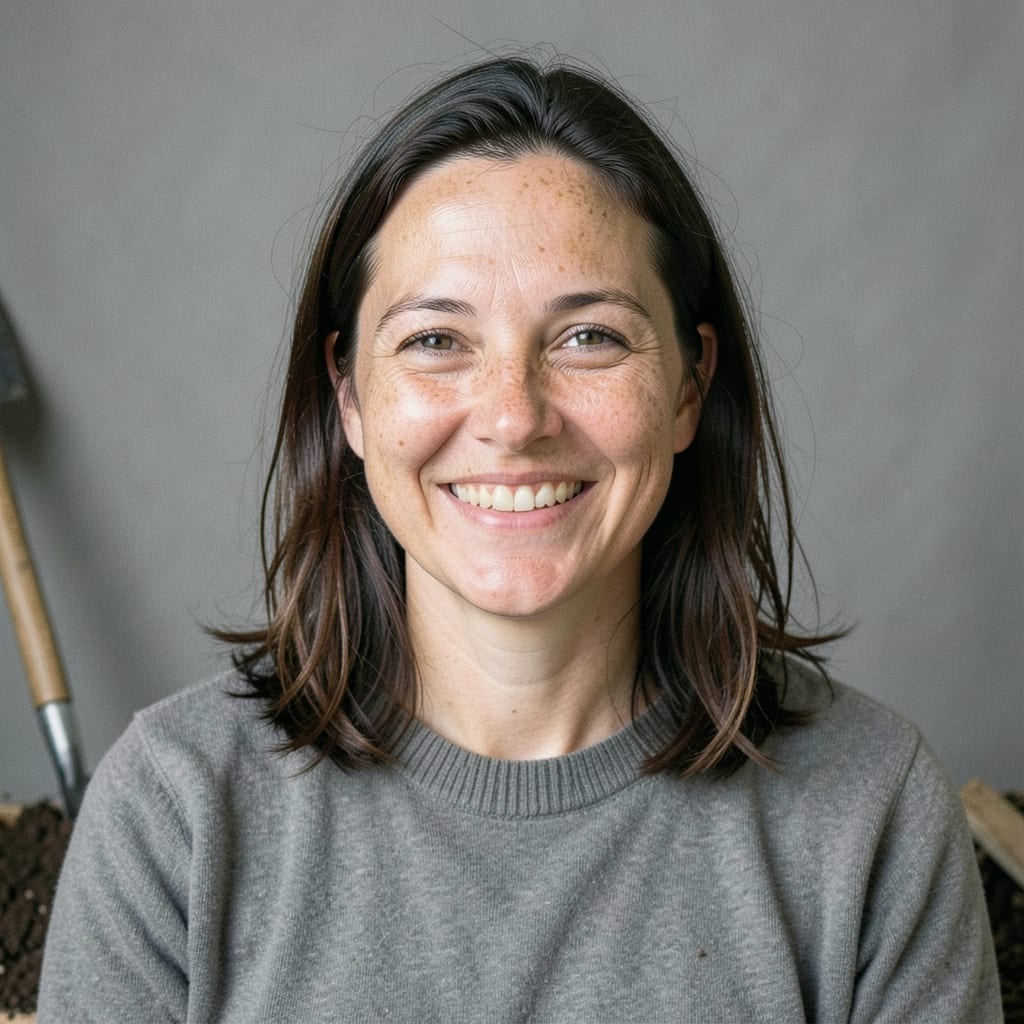
Roxanne Villanueva is the founder and editor of *Flower Wild*, and she’s been growing things since she was old enough to sneak seeds from her dad’s vegetable patch.
The rules we work by
- 1Fail first
Every new method gets tried at least three times before it’s written about. The first two attempts are for learning what *not* to do. The third is for figuring out how to do it right—or admitting it doesn’t work at all. This costs time, but it saves you the heartbreak of a dead plant on page three.
- 2Measure everything
No ‘a pinch of this’ or ‘a handful of that.’ We weigh soil amendments in grams, measure light in foot-candles, and time watering in minutes. Gardening isn’t alchemy; it’s chemistry, and chemistry needs precision. This costs patience, but it means your results will match ours—or you’ll know exactly why they don’t.
- 3Write the ugly truth
If a plant looks terrible in the photos but grows well, we’ll say so. If a method is beautiful but impractical for 90% of gardens, we’ll explain why. If we’re wrong, we’ll correct it. This costs reputation, but it earns trust. A site that lies to you about failures will lie to you about successes.
- 4No sacred cows
Even ‘old gardener’ wisdom gets challenged. If a ‘rule’—like ‘never prune roses in autumn’—doesn’t hold up in our trials, we’ll say so. This costs tradition, but it saves you from outdated advice that still gets repeated like gospel. Gardening should evolve, not stay stuck in 1950.
- 5Assume the reader is smarter
We don’t talk down. We assume you know the difference between annuals and perennials, that you’ve Googled ‘why my leaves are yellow,’ and that you’re here because you want answers, not patronising stories. This costs readers who want hand-holding, but it keeps the site useful for those who already know the basics.
We broke the ‘no sacred cows’ rule last year when we tested the ‘plant basil in pots’ advice. It worked—until the roots outgrew the drainage holes, and the whole plant collapsed.
The fix wasn’t ‘use bigger pots’; it was ‘plant basil in the ground where it belongs’ (unless you’re in a climate where it freezes). That’s the kind of truth that gets left out of most guides.
This will not be right for everyone
Close this page if you’re looking for ‘easy’ gardening. If you want a site that tells you to ‘just add water’ and shows perfect photos of thriving plants, this isn’t it.
We’re here for the rest: the people who’ve killed every houseplant they’ve owned, who live in apartments with no outdoor space, or who garden in climates where the soil is either too wet or too dry to trust.
This is also not for people who want to grow things *only* from seed. We’ll tell you when direct sowing is a waste of time (like tomatoes in cold frames) and when it’s the only way (like poppies, which refuse to transplant).
If you’re attached to a method that doesn’t work for you, you’ll find no comfort here—just data on why it’s failing.
You could just be told what you want to hear
We could tell you that ‘all you need is love’ and that ‘gardening is easy if you do it right.’ But we’ve learned the hard way that the people who need those lies the most are the ones who end up with dead plants and empty wallets.
So instead, we write about the things that actually matter: how to save seeds from hybrid plants (you can’t, but here’s why), why some soils never drain no matter how much sand you add, and what to do when your compost heap smells like rotten eggs.
Worth telling us
- The one ‘rule’ you’ve heard a hundred times that’s actually wrong for your climate (we’ll name it).
- How to fix a problem you’ve Googled for hours but can’t find a clear answer to (like ‘why my peppers keep falling off the plant’).
- What we got wrong in the past—and how we fixed it (because even experts fail).
The guides are grouped by category: Advice, Aphids, Blooming, Companion Plants, Container Gardens and Diseases.