
Planting
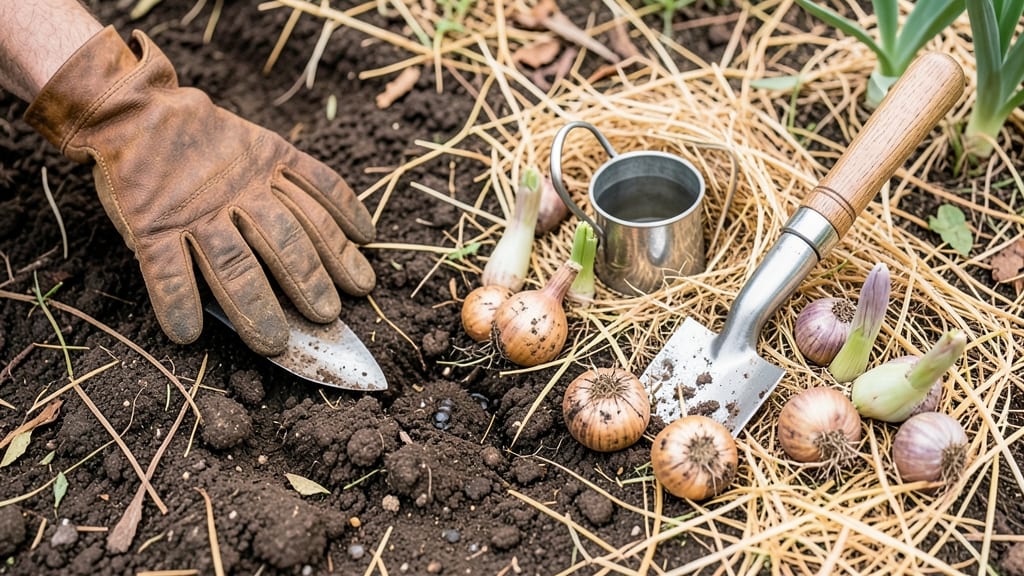
To plant flower bulbs in the fall for stunning spring blooms, aim for 4-6 weeks before your first frost—this window ensures roots establish before winter sets in.
Timing is everything when planting flower bulbs in fall—get it wrong, and you might miss the stunning spring blooms you’ve been dreaming of. But with the right zone-based schedule, you can ensure a garden bursting with color year after year.
In USDA Zone 6a, like much of the Midwest, that means digging in your 🌷 bulbs between mid-September and early October. Too early, and they’ll sprout and freeze; too late, and they won’t root deeply enough to survive the cold.
Below, I’ll break down the exact months by zone, soil prep tips, and the 3 most common mistakes that sabotage spring blooms—so you can plant with confidence and enjoy a showstopping display.
Fall flower bulb planting calendar by USDA hardiness zones
Planting flower bulbs in the fall is your golden ticket to a vibrant spring garden, but the perfect timing depends on your USDA zone. In colder zones like 3-5, you’ll plant earlier than in mild zones 8-10.
The key is getting bulbs in the ground 4-6 weeks before frost, when soil temps hover around 60°F—this gives roots time to establish before winter. Let’s break it down by zone so you can plan with confidence.
Most gardeners focus on tulips, daffodils, and crocuses, but hyacinths, alliums, and snowdrops also thrive with fall planting. Each bulb has slight variations in cold tolerance and dormancy needs, so we’ll cover the best practices for your specific zone.
Pro tip: Check your local frost dates (USDA provides these) to fine-tune your schedule—even a week’s difference can mean the difference between robust blooms and flops.
Soil temperature is non-negotiable. Bulbs need 4-6 weeks of root growth before the ground freezes. In Zone 3, that might mean planting in late August, while Zone 10 gardeners can wait until November. Use a soil thermometer to verify temps—below 50°F means it’s too late for most bulbs. Let’s dive into the zone-by-zone calendar to map out your planting timeline.
If you’re in Zone 3 or 4, don’t wait until September—late August is critical for bulbs like tulips and crocuses. These zones experience early frosts, so rushing can mean bulbs don’t root deeply enough.
I’ve seen tulips planted in October in Zone 4 fail to bloom the next spring because the roots weren’t established. Use a soil thermometer to confirm temps are consistently above 50°F during the day.
For Zones 5-6, mid-September to early October is your sweet spot. This is when daffodils and alliums thrive, thanks to their resilience in cooler soils.
I recommend marking your calendar for the average first frost date in your area (check the USDA Plant Hardiness Zone Map) and counting backward 6 weeks. For example, if your first frost is November 15th, aim to plant by October 1st.
Pro tip: Hyacinths love this window—their fragrance alone makes the effort worth it!
Gardeners in Zones 7-8 have a bit more flexibility, but don’t push it too late. October is ideal for most bulbs, but if you’re in a coastal area with milder microclimates, you might extend planting into early November. Daffodils are my go-to for these zones—they’re deer-resistant and bloom early, often pushing through light frosts.
Just avoid planting when soil temps drop below 45°F, or roots may struggle to form.
In Zones 9-10, where winters are mild or nonexistent, the goal shifts from avoiding frost to avoiding summer heat. Plant in
Planting flower bulbs at the wrong time can mean the difference between a showstopping spring display and a garden full of withered hopes. The key factors—soil temperature, frost dates, bulb types, and regional climate—work together to create that perfect window. In most regions, bulbs need 4-6 weeks to establish roots before winter sets in. Soil temperature is your first clue. Most flower bulbs thrive when soil reaches 60°F (15°C)—this triggers root growth without encouraging early shoots that could freeze. In cooler climates like USDA Zone 4, aim for late September planting, while Zone 8 gardeners can wait until mid-November. Always check your local frost dates to avoid planting too late. Your local climate plays a huge role too. Coastal areas with milder winters (like San Francisco) may have later frost dates than inland regions. Meanwhile, inland areas with cold snaps (like Denver) need an earlier planting window. Adjust by 2-3 weeks if your fall is unusually warm or cold.
Critical factors that determine the best planting time for flower bulbs
Factor
Ideal Condition
Adjustment Tips
Soil Temperature
60-65°F (15-18°C)
Use a soil thermometer; wait if cooler
Frost Dates
4-6 weeks before first frost
Check local almanac for exact dates
Bulb Type
Tulips, daffodils, crocuses
Alliums and snowdrops tolerate later planting
Climate Zone
USDA Zones 3-10
Coastal areas: plant 2-3 weeks later
Not all bulbs are created equal. Tulips and daffodils need that 60°F soil window, while alliums and snowdrops can handle cooler soil and even later planting. If your fall is unusually early, opt for hardier varieties like crocuses or plant in protected microclimates (e.g., near south-facing walls).
Regional quirks matter too. In Zone 7, I’ve seen early October planting yield perfect blooms, but a late October freeze can ruin unrooted bulbs. For Zone 5, start by mid-September—any later, and your bulbs may not survive the harsh winter.
Always err on the earlier side if you’re unsure.
Pro tip: If your fall is unpredictable, use a soil thermometer to track temperatures. Plant when soil hits 60°F consistently for 3-5 days. This ensures roots establish before winter, even if frost comes early.
For container gardening, plant bulbs in pots and move them to a garage or cold frame if frost threatens.
Remember, the goal is root growth, not above-ground shoots. With the right timing, your bulbs will thrive through winter and reward you with vibrant spring blooms—no matter where you garden. 🌷