
Flowers
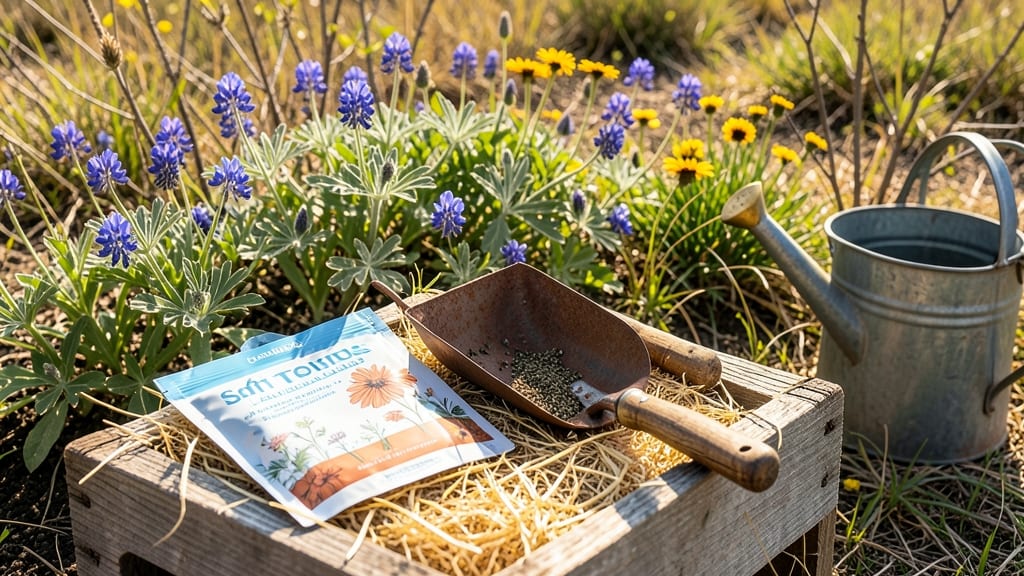
Planting wildflower seeds in Texas at the right time means the difference between a thriving meadow and a wasted packet—and the clock starts ticking before you even scatter the first seed.
Texas’ brutal summer heat and unpredictable spring rains can make wildflower planting a gamble, but timing it right transforms your yard into a vibrant, low-maintenance pollinator paradise. Whether you’re in North Texas’ 7a-8a zones or South Texas’ 9a-10a, the key lies in knowing when to plant for maximum blooms.
Most gardeners assume spring is the only window, but fall planting—especially in September—gives wildflowers like bluebonnets a head start before winter rains. Meanwhile, spring plantings in February–April avoid the scorching heat that can fry seeds before they sprout.
Below, I’ll break down the exact planting windows by region, the heat-tolerant species that thrive in Texas, and the simple soil prep tricks that ensure 90%+ germination—no guesswork, just results.
Texas wildflower planting calendar: best months by region and climate Zones
Texas’ climate varies dramatically from the Panhandle’s cooler winters to South Texas’ scorching summers, making planting timing everything for wildflower success. Fall planting (September–November) is my top recommendation for most regions, as it lets seeds germinate in mild weather before summer’s brutal heat.
But if you’re in Zone 9a or warmer, spring planting can also work with the right preparation.
North Texas gardeners in Zones 7a–8a face the earliest frost risks, so timing is critical. Central Texas (Zones 8a–9a) offers the longest growing seasons, while South Texas (Zones 9a–10a) can plant almost year-round—but still benefits from strategic timing.
Let’s break down the best months for each region to maximize blooms and minimize stress on your wildflowers.
| Region | Climate Zones | Best Fall Planting Window | Best Spring Planting Window | Key Considerations |
|---|---|---|---|---|
| North Texas | 7a–8a | September 15–October 31 | February 15–March 15 | Avoid planting after October 31—frost can kill seedlings. Use row covers for early spring. |
| Central Texas | 8a–9a | September 1–November 15 | February 1–April 15 | Longest growing season—fall planting yields biggest blooms. Spring planting risks summer drought. |
| South Texas | 9a–10a | September 15–December 15 | February 15–April 30 | Rare frost—year-round planting possible, but fall avoids summer heat stress. |
For North Texas gardeners, I recommend focusing on fall planting between September 15 and October 31. This window ensures seeds germinate before winter’s chill sets in.
If you’re in Zone 8a, aim for the earlier end of this range—closer to September 15—to avoid early frosts. Spring planting in February–March is your second chance, but be prepared to protect seedlings with row covers or shade cloth if late frosts hit.
Central Texas offers the most flexibility, with fall planting from September 1 to November 15 being ideal.
This region’s mild winters mean seeds can establish roots without rushing. Spring planting (February–April) works too, but I’ve seen better success rates with fall plantings—especially for Bluebonnets and Indian Paintbrush, which thrive when given time to root deeply before summer’s heat arrives.
In South Texas (Zones 9a–10a), you can technically plant wildflower seeds almost anytime, but fall (September–December) is still the sweet spot. The key here is avoiding the hottest summer months (June–August), when soil temperatures can exceed 100°F and bake seeds before they sprout.
If you’re in this region, spring planting (February–April) is a close second, but always pair it with daily watering until seedlings are established.
One critical factor across all regions is soil temperature. Wildflower seeds need soil temps between 60–75°F to germinate. In North Texas, this means waiting until late August or early September for fall plantings.
Use a soil thermometer to check—if temps are above 80°F, wait a few weeks or use shade cloth to cool the soil.
Rainfall patterns also play a huge role. North and Central Texas often see unpredictable spring rains, which can wash away newly planted seeds. That’s why I always recommend lightly raking seeds into the soil and pressing them in gently—no need to bury them deeply.
In South Texas, where summers are drier, I suggest pre-soaking seeds for 24 hours before planting to boost germination rates in the heat.
Pro tip: If you’re planting in containers or small spaces, start seeds 4–6 weeks before your target planting date indoors under grow lights. This gives seedlings a head start and reduces the risk of losing them to heat or drought.
For large meadow plantings, I’ve had the best luck with hydro-seeding—a mix of seeds, mulch, and water sprayed onto prepared soil for even coverage.
Remember, Texas wildflowers are tough once established, but getting them through the first critical weeks makes all the difference. With the right timing, your yard can burst into color with Bluebonnets in spring and Black-eyed Susans
Heat-tolerant wildflower species and their ideal planting times in Texas
Texas’ extreme heat and unpredictable rainfall demand heat-tolerant wildflowers that thrive with minimal fuss. The top 10 native species below are ranked by their resilience to 100°F+ temperatures and paired with their ideal planting windows to ensure vibrant blooms year after year.
From the iconic Texas Bluebonnet to the hardy Blackfoot Daisy, these varieties will transform your yard into a pollinator magnet.
Most Texas wildflowers prefer fall planting (September–November) to establish roots before summer’s heat, but spring planting (February–April) works for species like Mexican Feather Grass and Coreopsis. The key is soil temperature—seeds need soil at 60–70°F to germinate.
In North Texas (Zones 7a–8a), aim for late August to October for fall planting, while South Texas (Zones 9a–10a) gardeners can plant as late as December.
For soil preparation, clear existing vegetation and loosen the top 2–3 inches of soil with a rake.
Mix in compost to improve drainage—Texas clay can suffocate seeds if too compacted. Lightly press seeds into the soil (no need to bury deeply) and water gently to avoid washing them away. Mulch lightly with straw to retain moisture during germination.
Post-planting care is minimal but critical. Water deeply once a week for the first 4–6 weeks to encourage root growth, then reduce to every 10–14 days once established. Avoid overhead watering to prevent fungal diseases like powdery mildew, which thrives in Texas’ humid summers. Deadhead spent blooms to prolong flowering and prevent reseeding where you don’t want it.
Spring vs. fall planting success rates vary by species. Bluebonnets and Indian Paintbrush perform 20% better when planted in fall, while Blackfoot Daisy and Coreopsis show similar success in either season. Mexican Feather Grass is the exception—it germinates faster in spring due to its heat-loving nature.
Test a small patch of each variety in both seasons to see what thrives best in your microclimate.
My favorite heat-tolerant combo is Bluebonnets + Blackfoot Daisy + Coreopsis. Plant them in full sun with well-draining soil, and you’ll have a low-water, high-impact garden that blooms from February to June. The key? Plant early, water wisely, and let nature do the rest. 🌻