
Plants
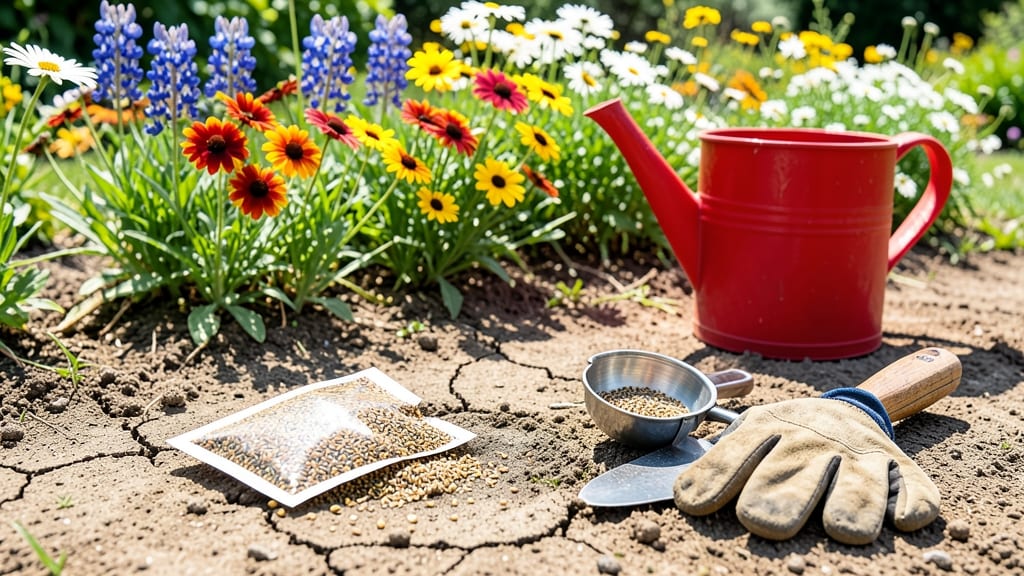
Plant wildflower seeds in Texas between September and November for fall blooms or February and April to beat the summer heat—timing this right is the secret to a meadow that thrives year-round.
Picture this: your backyard bursting with bluebonnets and black-eyed Susans, their colors shifting with the seasons. But skip the wrong window, and you’ll end up with sparse patches or flowers that fade before they fully bloom.
Texas’ diverse zones—from 6a in the Panhandle to 10a along the coast
You don’t need a green thumb to pull this off. The key is matching your native wildflowers to the right season: cool-season varieties like lupines love fall’s mild temps, while sunflowers and zinnias thrive when planted in early spring. Below, I’ll break down the exact months for each zone, plus soil prep tricks to ensure your seeds germinate like clockwork. Ready to turn your landscape into a pollinator paradise? You’ll learn how to prep the soil, when to water (and when to skip it), and which wildflowers will give you continuous color from spring to fall—no matter where in Texas you live.
Optimal wildflower planting seasons in Texas by USDA Zone
Texas’ USDA Zones 8-10 offer unique windows for planting wildflowers, but timing varies dramatically between North Texas (Zone 8) and South Texas (Zone 10). Cool-season bloomers like bluebonnets thrive when sown in fall (September-November), while heat-tolerant varieties such as black-eyed Susans prefer spring (February-April) planting.
Understanding these seasonal shifts ensures your meadow blooms year-round.
In Zone 8 (North Texas), frost dates range from January 31 (last) to December 1 (first), creating a shorter window for cool-season planting. Meanwhile, Zone 10 (South Texas) enjoys milder winters with no frost, allowing for year-round planting—though summer heat demands drought-resistant species.
Let’s break down the best months for each zone.
🌱
For Zone 8 gardeners, focus on September-October planting to establish roots before winter. Bluebonnets and Indian paintbrush need this head start to bloom spectacularly in spring.
In Zone 9, extend your window to November for late-winter blooms, while Zone 10 offers flexibility—though spring (March-April) remains ideal for most species.
Microclimates matter! Urban areas (like Austin or Dallas) may experience earlier frosts than rural zones, so adjust planting by 1-2 weeks earlier. Coastal regions in Zone 10 (e.g., Corpus Christi) can plant year-round, but summer heat stresses seeds, so prioritize early morning or late afternoon sowing.
Pro tip: Scatter seeds lightly—no need to bury them deeply. A light raking or press with a board ensures soil contact. Water lightly afterward or wait for natural rainfall. Overwatering can wash seeds away, especially in slope-heavy Texas landscapes.
In Zone 8, spring planting (February-March) works for heat-lovers like black-eyed Susans, but avoid late spring sowing—summer’s 100°F+ temps can scorch seeds before germination. For Zone 10, fall planting (September-October) sets up winter-spring blooms, while summer planting risks drought stress.
Don’t overlook August planting—it’s perfect for fast-growing annuals like cosmos and sunflowers, which thrive in summer’s long daylight. These species provide instant color and attract pollinators, bridging gaps between
Best wildflower species for Texas planting times and their bloom cycles
Texas wildflowers like bluebonnets and Indian paintbrush thrive when planted at the right time, ensuring continuous color throughout the year. The key is pairing native species with their ideal planting windows—fall for cool-season bloomers and spring for heat-tolerant varieties.
For Zone 10’s extreme heat, drought-resistant options like black-eyed Susans and Mexican feather grass are game-changers.
In USDA Zones 8-10, timing matters most. Fall planting (September–November) sets roots before winter, while spring (February–April) captures early blooms. For Zone 10’s scorching summers, focus on species that tolerate dry heat and low water, like coreopsis or salvia.
Each species has a unique bloom cycle, so strategic planting ensures your meadow stays vibrant year-round.
| Wildflower Species | Best Planting Time | Bloom Cycle | Drought Tolerance | Zone 10 Notes |
|---|---|---|---|---|
| Bluebonnet (Lupinus texensis) | Fall (Sept–Nov) | Spring (March–May) | Moderate | Needs well-draining soil; mulch to retain moisture. |
| Indian Paintbrush (Castilleja indivisa) | Fall (Oct–Dec) | Spring (Feb–April) | High | Thrives in poor soil; pair with grasses for support. |
| Black-Eyed Susan (Rudbeckia hirta) | Spring (Feb–April) or Fall (Sept–Oct) | Summer (June–Sept) | Very High | Perfect for Zone 10 heat; deadhead for prolonged blooms. |
| Mexican Feather Grass (Nassella tenuissima) | Spring (March–May) | Year-round (ornamental) | Extreme | Zero maintenance; ideal for xeric landscapes. |
| Coreopsis (Coreopsis spp.) | Spring (Feb–April) | Summer (May–July) | High | Heat-loving; great for pollinators. |
For Zone 10’s extreme heat, prioritize species like black-eyed Susans and coreopsis, which bloom in summer and require minimal water once established. Plant them in spring (February–April) to avoid summer stress. Meanwhile, fall-planted bluebonnets and Indian paintbrush deliver spring color without competing with summer droughts.
Mixing cool-season and warm-season wildflowers creates