
Companion Plants
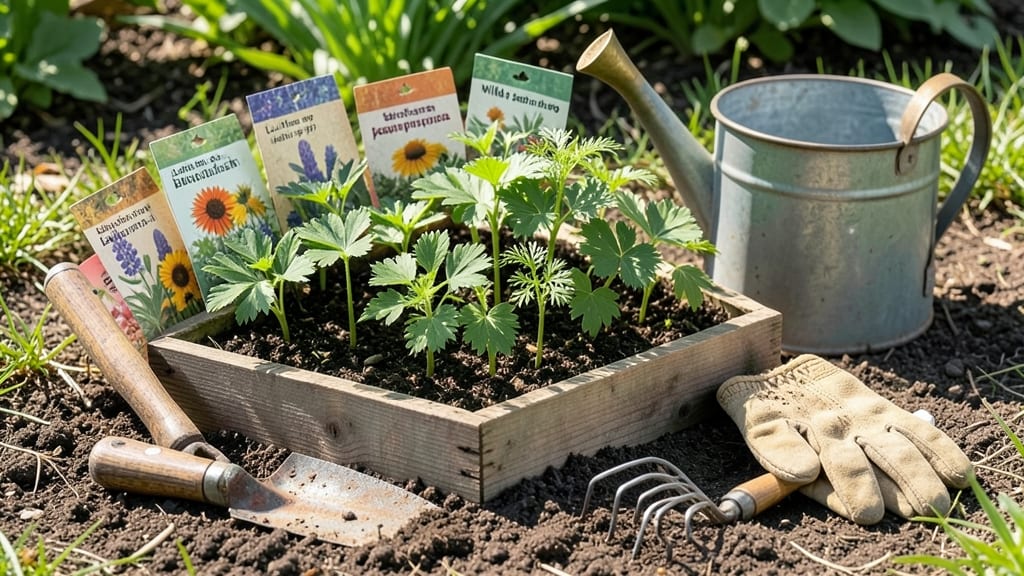
Planting wildflower seeds in spring is all about timing—4 to 6 weeks before your last frost is the sweet spot for vibrant blooms that last all season.
Picture this: you’ve prepped the soil, scattered your seeds, and waited patiently—only to watch them sprout too late or fizzle out in the heat. That’s why knowing the exact window matters, especially in Zone 6a where frost can linger until mid-April.
Wildflowers like 🌼 black-eyed Susans and coneflowers thrive when planted early, but late spring can still work for heat-loving species like sunflowers. The key? Soil temperature, moisture, and avoiding summer’s scorching sun.
Below, I’ll break down the best months by zone, soil prep tips, and how to keep your wildflowers blooming like a pro—no guesswork required.
Best spring planting months for wildflowers by USDA Hardiness Zone
Planting wildflowers in spring is all about timing—too early and seeds rot, too late and blooms arrive too late for pollinators.
Your USDA Hardiness Zone dictates the perfect window, balancing soil warmth and moisture. Cold-hardy species like bluebonnets thrive in Zone 3, while tender varieties need Zone 9's milder start. Let's break down the exact months for each zone to ensure peak germination and vibrant blooms.
For Zones 3-5, aim for late April to early May when soil reaches 50°F.
These northern climates risk late frosts, so wait until after the last frost date. Zones 6-8 have more flexibility—plant from March to early April—while Zone 9 can start as early as February for heat-loving varieties like blanket flower.
Here’s your zone-by-zone planting calendar for spring wildflower success, including cold-hardy vs. tender species distinctions:
| USDA Zone | Best Planting Month | Soil Temp Goal (°F) | Cold-Hardy Species | Tender Species |
|---|---|---|---|---|
| Zones 3-4 | Late April–Early May | 50–55°F | Bluebonnets, Lupines | Blanket Flower (wait until May) |
| Zones 5-6 | March–Early April | 45–50°F | Black-Eyed Susan, Coneflowers | Mexican Sunflower |
| Zones 7-8 | February–March | 40–45°F | Butterfly Weed, Goldenrod | Zinnias, Cosmos |
| Zone 9 | January–February | 35–40°F | California Poppy | All annuals (direct sow early) |
In Zones 3-5, prioritize cold-hardy perennials like black-eyed Susans—they’ll establish roots before summer heat arrives. Tender annuals like cosmos can wait until May to avoid rot from cold, wet soil.
For Zones 6-8, early planting in March gives butterfly weed time to bloom by June, while Zone 9 gardeners can start California poppies in January for spring blooms.
Pro tip: Use a seed mat to warm soil in Zones 3-5 if planting early. For Zones 7-9, mulch lightly after sowing to retain moisture during dry spells. Test soil moisture—seeds need consistent dampness but no standing water.
Missed the spring window? Fall planting (September–October) works in Zones 6-9—seeds germinate in spring without competing weeds. Just adjust for your first frost date to
How to prepare your soil and site for wildflower seed success
Wildflowers thrive when their seeds land in the right conditions—loose soil, full sunlight, and consistent moisture are non-negotiable for germination. Unlike finicky annuals, wildflowers adapt to poor soil once established, but starting them in ideal conditions ensures faster blooms and healthier plants.
I’ve learned the hard way that skipping soil prep means waiting years for those dreamy meadows to appear.
Begin by testing your soil’s pH and texture. Wildflowers prefer slightly acidic to neutral soil (pH 6.0–7.0), though many natives tolerate alkaline conditions. Grab a soil test kit (or send a sample to your local extension office) to check—this step alone prevents seed rot and poor germination.
If your soil is clay-heavy, amend it with compost or sand to improve drainage.
Next, clear the area of competing weeds and debris. Wildflower seeds are tiny—dandelion seeds are 10x larger—and need direct contact with soil. Use a broadfork or raking motion to disturb the top ¼ inch of soil, creating a fine, crumbly texture.
Avoid tilling deeply, as wildflowers have shallow roots and don’t need loose subsoil.
Step-by-Step Soil Prep for Wildflower Seeds
-
Step 1: Test Soil
Use a pH test kit to check soil acidity. Aim for 6.0–7.0. Adjust with lime (raise pH) or sulfur (lower pH) if needed. -
Step 2: Clear Debris
Remove weeds and rocks—wildflower seeds need direct soil contact. Mow or hand-pull existing vegetation. -
Step 3: Loosen Surface
Scratch soil with a raking motion (no deep tilling!) to create a fine seedbed. Use a hula hoe or broadfork for larger areas. -
Step 4: Level the Ground
Rake to eliminate clumps and create a smooth surface. Wildflower seeds need even pressure when pressed in. -
Step 5: Water Lightly
Moisten soil 24 hours before planting to ensure seeds stay in place when scattered. Avoid soggy soil.
Sunlight is the most critical factor for wildflower success. Most species need 6+ hours of direct sun daily, though a few (like blue-eyed grass) tolerate partial shade.
Scan your site for shady spots—these are prime for weeds, not wildflowers. If your yard has limited sun, choose shade-tolerant varieties like wild columbine or foamflower.
After prepping the soil, keep it moist but not waterlogged for the first 4–6 weeks. Wildflower seeds germinate best in consistent moisture, so water lightly daily (or use a sprinkler on low) until sprouts appear.
Once seedlings emerge, reduce watering to once weekly—overwatering causes rot and fungus. Mulch lightly with straw to retain moisture and suppress weeds.
Pro tip: If your soil is barely adequate, skip the fertilizer—wildflowers hate rich soil, which encourages leafy growth over blooms. Instead, mix in composted leaves or grass clippings for a nutrient boost without overfeeding. Now, grab those seeds and let nature take over!