
Blooming
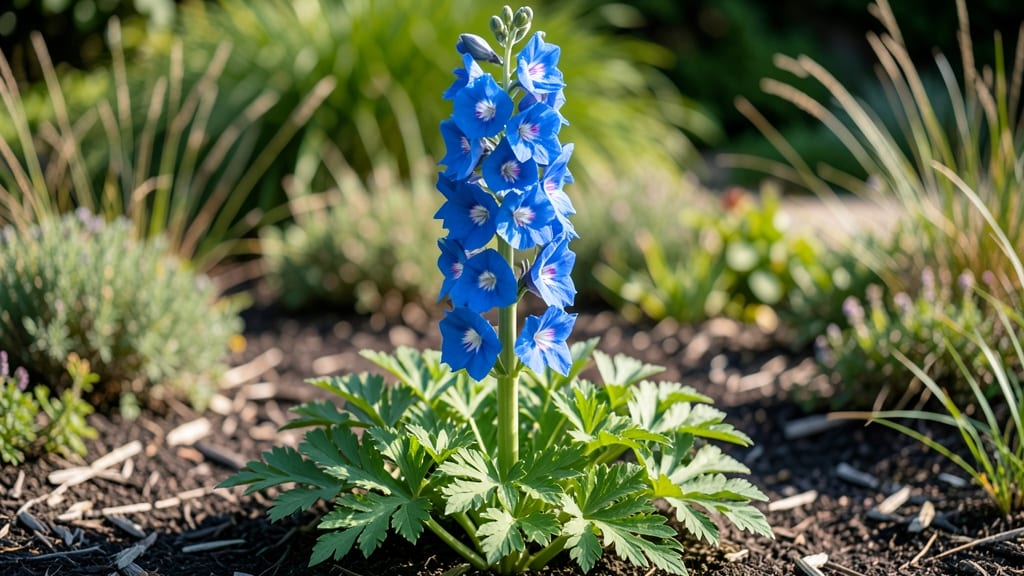
Delphinium flowers bloom in June through August 🌸, but the exact timing—and how long they last—depends on your zone, variety, and a few simple tricks most gardeners miss.
If you’ve ever planted delphiniums hoping for stunning spikes of blue, purple, or white blooms—only to be disappointed by sparse or short-lived flowers—you’re not alone. The key to longer displays lies in understanding their natural rhythm and giving them the right conditions.
In cooler USDA Zone 6a, like much of the Midwest, delphiniums typically start blooming in early June, while warmer climates may see them as early as May.
Varieties like 'Pacific Giant' and 'Elatum' are known for their extended bloom periods, but even they need the right care to keep flowering.
Below, I’ll break down the science behind their bloom time, how to extend it by weeks or even months, and the top varieties that deliver the most reliable (and longest-lasting) color. Ready to turn your garden into a delphinium showstopper?
Natural delphinium bloom time: seasonal stages and climate influences
Delphiniums are famous for their dramatic tall flower spikes in vibrant blue, purple, and white hues, but their bloom time can vary wildly depending on your USDA zone and local climate.
In cooler regions like USDA Zones 3-6, these beauties typically burst into bloom from late May to July, while warmer zones (7-9) may see flowers stretch from June through September. The key lies in understanding how temperature shifts and daylight hours trigger their flowering cycle.
Most delphinium varieties are perennial bloomers, meaning they produce flowers annually—but their bloom duration depends on whether they're once-blooming or repeat-flowering. Once-blooming types like 'Pacific Giant' offer a spectacular 4-6 week display in early summer, while reblooming cultivars (like 'Elatum' series) can extend their show with proper care.
Even once-bloomers may produce secondary spikes if given the right conditions.
Climate plays a critical role in delaying or advancing bloom times. In cool maritime climates (e.g., Pacific Northwest), delphiniums often bloom 2-3 weeks earlier than inland areas due to milder springs.
Conversely, hot, dry summers in desert regions can cause delayed or stunted blooms unless you provide consistent moisture. Humidity levels also matter—high humidity may encourage powdery mildew, which weakens plants before they fully flower.
Here’s how USDA zones break down for typical delphinium bloom windows:
| USDA Zone | Typical Bloom Window | Climate Notes | Reblooming Potential |
|---|---|---|---|
| 3-4 (Cold) | Late June - Early August | Short growing season; needs early planting | Low (once-blooming) |
| 5-6 (Temperate) | Mid-May - July | Ideal for most varieties; moderate humidity | Medium (with deadheading) |
| 7-8 (Warm) | June - September | Longer season; may need afternoon shade | High (reblooming types) |
| 9-10 (Hot) | July - October | Hot summers may shorten blooms; mulch heavily | Medium (needs consistent water) |
The length of daylight is another critical factor. Delphiniums are long-day plants, meaning they need 14+ hours of light to trigger blooming. In northern latitudes, this happens naturally in summer, but in southern zones, you might see delayed or scattered blooms if daylight isn’t sufficient.
For example, Florida gardeners often report later blooms because the plant waits for cooler temperatures to kick in.
If you’re growing delphiniums in containers, bloom times can shift even more dramatically. Pots heat up faster, which may advance blooming by 2-3 weeks in warm climates.
To sync container-grown delphiniums with your garden’s timeline, choose larger pots (12"+ diameter) and place them in partial shade during peak afternoon sun. This mimics the cooler soil conditions of in-ground planting.
One common misconception is that all delphiniums bloom at the same time. In reality, early-season varieties (like 'Blue Bird') may flower in late May, while late-season types (such as 'Black Knight') can hold off until August.
Planting a mix of varieties ensures a continuous display from early summer through fall. For example, pairing 'Pacific Giant' (early) with 'Elatum Blue' (reblooming)
5 Proven techniques to extend delphinium bloom time dramatically
Delphiniums are famous for their towering blue and purple flower spikes, but their bloom time often feels disappointingly short. The good news? With the right techniques, you can double or even triple their flowering season.
The secret lies in understanding what these sun-loving perennials truly need to thrive—and where gardeners commonly go wrong.
Most delphiniums bloom for just 4-6 weeks in early summer, but reblooming varieties (like 'Pacific Giant') can extend this to 8-10 weeks with proper care. The key is targeted interventions that address their nutritional needs, watering habits, and growth signals.
Let’s dive into the five game-changing techniques that will keep your delphiniums flowering like clockwork.
🌸 5 Proven Techniques to Extend Delphinium Bloom Time
-
1. Master Deadheading
Remove spent blooms daily—cut stems 1 inch below the faded flower. This prevents seed formation and signals the plant to produce new buds. -
2. Boost Phosphorus
Use a 10-20-10 fertilizer (high phosphorus) every 4-6 weeks during bloom season. Phosphorus fuels flower production—skip it, and blooms fizzle. -
3. Optimize Watering
Water deeply in mornings (1-2 inches per week) to avoid stress or fungal issues. Drought or overwatering both shorten bloom time. -
4. Ensure Full Sun
Delphiniums need 6+ hours of direct sun. Partial shade leads to leggy stems and fewer blooms. South-facing spots are ideal. -
5. Prune Strategically
After the first main bloom cycle, cut back 1/3 of the plant to encourage reblooming. Avoid heavy pruning in fall—it weakens next year’s growth.
⚠️ Common Mistake: Over-pruning or fertilizing in late summer can stunt reblooming. Time it right!
Avoid these bloom-killers: skipping deadheading, using nitrogen-heavy fertilizers (they promote leaves, not flowers), or planting in crowded spots that compete for nutrients. Even wind damage can snap delicate spikes—stake them early for support.
For reblooming varieties, start these techniques as soon as buds appear. If your delphiniums are one-time bloomers, focus on soil health and watering consistency to maximize their initial display. With these adjustments, your delphinium flower bloom time could stretch from 6 weeks to 3 months—or longer!
Pro tip: Mulch around the base with compost or straw to retain moisture and regulate soil temperature. This simple step reduces stress signals that trigger early dormancy. Happy deadheading! 🌷