
Plants
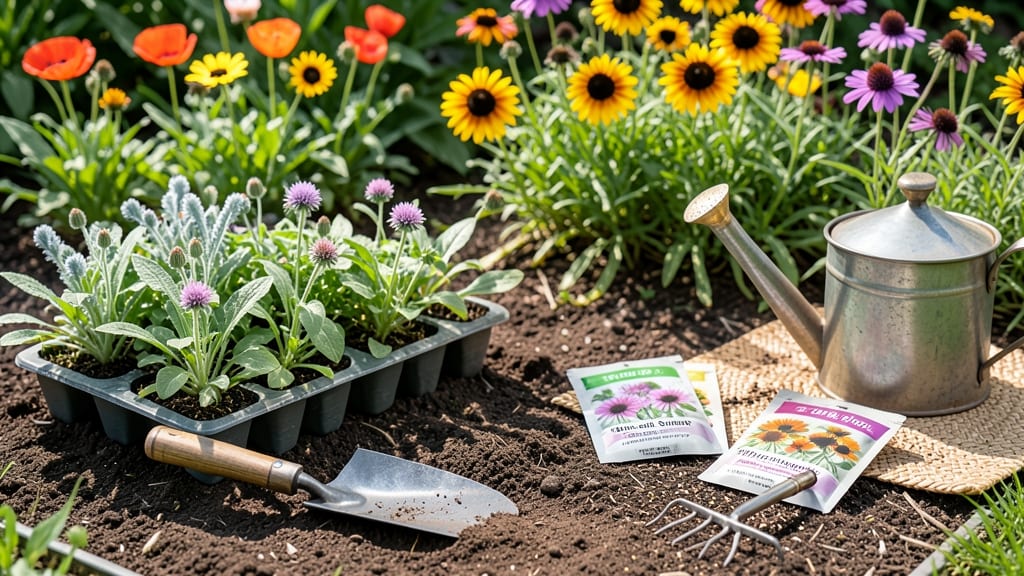
Planting wildflower seeds in Zone 8 at the right time ensures a year-round burst of color 🌼 and thriving pollinator habitats—but timing is everything.
Miss the ideal window, and you might end up with patchy blooms or seeds that never sprout. In Zone 8, the perfect moments are late summer through early fall or early spring, when soil temperatures and moisture align just right.
This isn’t just about throwing seeds into the ground and hoping for the best. The exact timing depends on your microclimate—whether you’re near the coast or inland—and the types of wildflowers you’re growing.
Below, I’ll break down the precise planting schedule for Zone 8, including soil prep tips, watering tricks, and the best wildflower varieties for reliable blooms from spring to summer.
Best planting times for wildflower seeds in Zone 8 (by season)
Zone 8 offers two prime windows for planting wildflower seeds: early spring and fall. These timing choices maximize germination rates by aligning with soil moisture and temperature conditions.
Fall planting, in particular, gives seeds a head start before winter dormancy, while spring planting ensures blooms appear during the growing season.
Your frost-free dates in Zone 8 typically range from February 15 (last frost) to November 15 (first frost). However, microclimates—like coastal areas—can extend these windows by 2-3 weeks. Always check your local USDA Zone 8a/8b specifics, as inland regions may experience earlier frosts.
Heatwaves during summer can also impact planting success. While summer planting is rarely ideal, some heat-tolerant species like gaillardia or coreopsis can be sown in late August if you’re prepared to provide consistent moisture and light shade until establishment.
For spring planting, aim to sow seeds 4–6 weeks before your last frost date. This gives seedlings time to establish roots before soil warms and competition from weeds intensifies. If you’re in Zone 8a (cooler), start as early as mid-February under row covers to protect tender sprouts.
Fall planting, however, is often more successful in Zone 8 because seeds germinate in cool, moist soil and develop strong root systems before winter. Plant 6–8 weeks before your first frost, typically between September and October.
This timing ensures seeds don’t sprout too early and risk freeze damage.
If you’re experimenting with summer planting, focus on heat-loving wildflowers like blanket flower or Mexican sunflower. These varieties thrive in high temperatures and can even rebloom if deadheaded. However, expect slower germination and higher water needs during establishment.
Pro tip: Use a seed mat or greenhouse tray to start seeds indoors 4–6 weeks before your target planting date. This extends your planting window and gives you a head start on seasonal blooms. Just be sure to harden off seedlings before transplanting outdoors.
Always test your soil moisture before planting. Stick your finger 1 inch deep—if it’s dry, water thoroughly 24 hours before sowing. Wildflower seeds need consistent moisture to germinate, but avoid waterlogged soil, which can cause seed rot.
Finally, consider your local climate variations. Coastal Zone 8 areas may have milder winters and longer growing seasons, while inland regions might face earlier frosts. Adjust your planting dates accordingly to avoid missed opportunities for vibrant wildflower displays.
With the right timing, your Zone 8 garden can burst into color from spring through fall, attracting pollinators and adding natural beauty to your landscape. 🌼
How to adjust planting for year-round blooms in Zone 8
Creating a garden that blooms continuously in Zone 8 requires strategic planning. By mixing spring-blooming and fall-blooming varieties, you can enjoy vibrant color from early spring through late autumn. The key is understanding each plant’s natural lifecycle and adjusting your planting schedule accordingly.
Start by identifying your garden’s microclimate zones—areas that may experience slightly different temperatures or sunlight exposure. For example, a south-facing slope will warm up faster in spring than a shaded north corner. This knowledge helps you time plantings precisely for each location.
For year-round blooms, focus on a 3-phase planting strategy: early spring, late summer, and fall. Each phase targets different blooming cycles to ensure no gaps in your garden’s color palette. Here’s how to layer your plantings for maximum impact:
Don’t forget to prepare your soil before planting. A checklist approach ensures you cover all bases: loosen the top 6 inches of soil, mix in compost for nutrients, and rake the surface smooth.
For delicate seeds, press them lightly into the soil to ensure good contact without burying them too deep.
Finally, monitor your garden’s progress and adjust as needed. If a spring-bloomer fades too early, fill the gap with a fast-growing annual like marigold. With this layered approach, your Zone 8 garden will stay in full bloom from March through November!
🌿