
Flowers
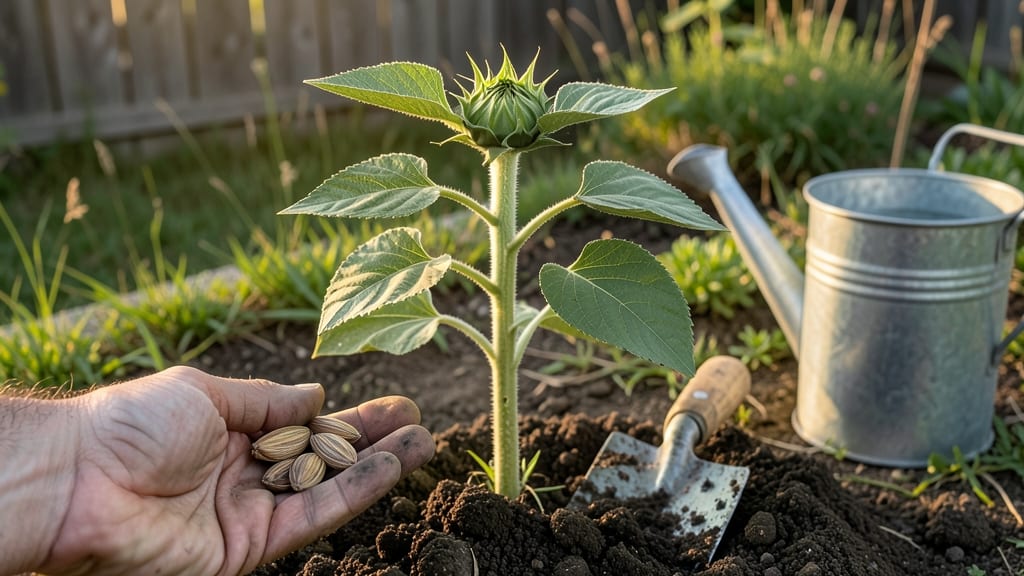
Plant sunflowers in Sacramento after your last frost, typically between mid-April and early May 🌻, to give them the long, hot growing season they crave.
Sunflowers bring vibrant color and effortless beauty to Sacramento gardens—but planting them at the wrong time can leave you with wilted stems instead of towering blooms. Timing is everything, and Sacramento’s unique microclimates demand precision.
In USDA Zone 9a, where winters are mild and summers scorching, the key is planting early enough to avoid heat stress while still allowing enough time for those massive blooms to mature before fall’s first frost.
Below, I’ll walk you through the exact frost-free dates, the best sunflower varieties for Sacramento’s climate, and how to stretch your blooming season from spring through fall—so you can enjoy those cheerful faces all season long.
Sacramento’s frost-free dates & best planting windows for sunflowers
Sacramento’s USDA Zone 9a/9b climate gives sunflowers a long growing season, but timing is critical to avoid heat stress or early frost damage. The last spring frost typically occurs between mid-April and early May, while the first fall frost arrives around late October.
These dates create a 270-day frost-free window, perfect for sunflowers that thrive in warm weather.
For optimal growth, plant sunflower seeds 2-4 weeks after your last frost date. This means late April to early May is ideal for most varieties. However, Sacramento’s microclimates—like urban heat islands—can shift these dates slightly, so always check your local weather forecasts before planting.
Here’s a quick reference for Sacramento’s sunflower planting windows, including early and late-season options:
| Planting Window | Best Varieties | Soil Temp | Notes |
|---|---|---|---|
| Early Spring (Feb-March) | Dwarf ('Teddy Bear'), 'Moulin Rouge' | 50-55°F | Start indoors or use black plastic mulch to warm soil. |
| Late Spring (April-May) | Standard ('Autumn Beauty'), 'Russian Giant' | 60-65°F | Best for full sun and direct sowing. |
| Summer (June-July) | Heat-tolerant ('ProCut Hybrid') | 70°F+ | Use shade cloth for seedlings. |
| Fall (August-Sept) | Fast-maturing ('Sunspot') | 60-65°F | Avoid planting after mid-September. |
If you’re aiming for early blooms, start seeds indoors in February and transplant after the last frost. For late-season harvests, sow seeds in July—just ensure they mature before the first frost.
Sacramento’s summer heat can stress young plants, so always water deeply and use mulch to retain moisture.
For container gardening, plant sunflowers in late April to avoid root-bound stress. Larger varieties like 'Russian Giant' need 5-gallon pots, while dwarf types thrive in 3-gallon containers. Place containers in south-facing areas for maximum sunlight exposure.
One common mistake is planting too early, which can lead to bolting or stunted growth. Wait until soil temperatures reach at least 50°F—use a soil thermometer to check. In Sacramento’s urban areas, pavement can cause soil to heat up faster, so adjust planting dates accordingly.
To extend your sunflower season, try succession planting every 2-3 weeks from April to July. This ensures a continuous display of blooms from summer through early fall. Pair sunflowers with companion plants like basil or marigolds to deter pests and improve growth.
Remember, Sacramento’s drought conditions mean sunflowers need consistent watering during establishment. Once mature, they’re drought-tolerant, but young plants benefit from weekly deep watering. Avoid overhead watering to prevent fungal diseases like powdery mildew.
With the right timing and care, your sunflowers will reach their full potential, adding height and color to your Sacramento garden. Start planning now—your towering sunflowers will thank you! 🌻
Sunflower variety planting guide: dwarf vs. giant vs. tall varieties
Sacramento’s hot summers and mild winters create the perfect stage for sunflowers—but not all varieties thrive equally here. Dwarf varieties like 'Moulin Rouge' bloom quickly, while giant varieties like 'Russian Giant' need extra time to mature before Sacramento’s first frost.
Choosing the right type ensures vibrant blooms from spring through fall.
Your planting timeline depends on the variety’s maturity rate and Sacramento’s heat tolerance. Early bloomers like 'Teddy Bear' (dwarf) can start in late February, while towering 'Mammoth' varieties need late March to early April planting to avoid summer heat stress. Containers add flexibility for urban gardens.
Key consideration: Sacramento’s USDA Zone 9a means longer growing seasons, but succession planting is critical. Dwarf varieties can be replanted every 4-6 weeks for continuous color, while giants should be planted once in early spring for a dramatic late-summer show.
For container gardening, prioritize dwarf varieties like 'Teddy Bear'—they thrive in 5-gallon pots and can be moved to shadier spots during peak afternoon heat. Giant varieties need at least 18-inch deep containers and regular watering to prevent root stress.
Sacramento’s late summer heat can stress sunflowers, so succession plant dwarf varieties every 3-4 weeks for continuous blooms. Giant varieties planted in early April will reward you with late September-October blooms, just before frost risks increase.
Pro tip: Mix dwarf and giant varieties in your garden for height variation and extended bloom times. Place taller varieties north of shorter ones to avoid shading issues in Sacramento’s intense summer sun. 🌻