
Flowers
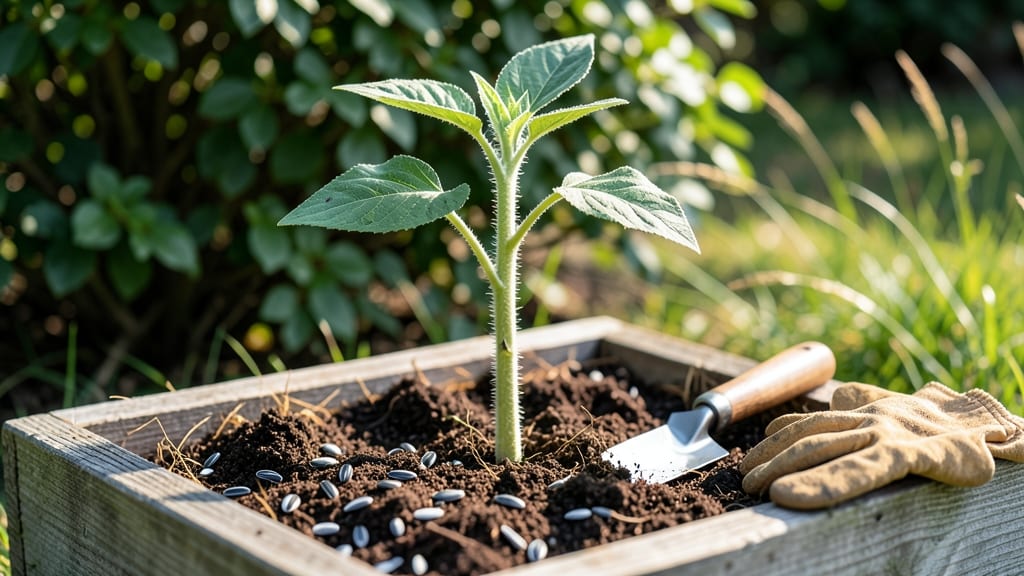
Planting sunflowers in Illinois at the right time means fast growth and towering blooms by summer — but miss the window, and you’ll either lose seedlings to frost or watch them bolt too early.
Sunflowers 🌻 aren’t just beautiful—they’re fast-growing, drought-tolerant, and perfect for Illinois gardens. But timing is everything: Plant too early, and frost will kill your seedlings; too late, and you’ll miss their towering summer glory.
Here’s the key: Wait until after your last frost date (typically around April 15 in most of the state) and when soil temperatures hit 50°F or warmer. In Zone 5, that’s usually mid-April; in Zone 6, early April works.
Below, I’ll break down the exact frost-free deadlines by region, how to prep your soil for fast germination, and which sunflower varieties thrive best in Illinois’s short but intense growing season.
Illinois sunflower planting dates by hardiness Zone (with frost-free deadlines)
Sunflowers thrive in Illinois’s climate, but their planting window varies dramatically between USDA Zones 5a (northern Illinois) and Zone 6b (southern Illinois). In cooler zones, frost can linger until mid-May, while southern Illinois may see frost-free conditions as early as mid-April.
Getting this timing right ensures your sunflowers reach their 8-14-foot potential without frost damage.
For all Illinois gardeners, the golden rule is to wait until the soil temperature reaches at least 50°F—this triggers germination and prevents seed rot. Use a soil thermometer to check; cold soil delays sprouting by weeks.
In Zone 5a, this typically aligns with late April to early May, while Zone 6b gardeners can start as early as mid-April.
Direct sowing is the easiest method for sunflowers—transplants struggle with their deep taproots. Plant seeds 1 inch deep and 6 inches apart in rows 2 feet apart for full-size varieties. Dwarf varieties (like 'Teddy Bear') can be spaced 3 inches apart in 1-foot rows. This spacing prevents overcrowding and ensures each plant gets the 6-8 hours of sunlight they crave.
| Zone | Last Frost Date | Ideal Planting Window | Soil Temp Requirement | Germination Time | Notes |
|---|---|---|---|---|---|
| 5a (Northern IL) | Mid-May | Late April–Early May | 50°F+ | 7–14 days | Use early varieties (e.g., 'Autumn Beauty') |
| 5b (Central IL) | Early May | Mid-April–Late May | 50°F+ | 7–10 days | Best for standard varieties |
| 6a (Southern IL) | Late April | Mid-April–Early June | 50°F+ | 5–10 days | Longer season for tall varieties |
| 6b (Far Southern IL) | Mid-April | Early April–Late May | 50°F+ | 5–7 days | Can plant dwarf varieties earlier |
If you’re in Zone 5a and eager to start earlier, consider container gardening or a cold frame. These methods can warm soil faster and give you a 2-week head start on the season.
Just be prepared to move containers indoors if frost threatens. For in-ground planting, wait until after May 15 in northern Illinois to avoid late-spring frosts, which can blacken young leaves overnight.
Sunflowers germinate fastest in warm soil, so aim to plant when daytime temperatures consistently stay above 60°F. In Zone 6b, this often means starting by mid-April, but always check a local frost calendar—Illinois’s weather can shift unpredictably.
Pro tip: Plant a test row a week before your ideal date to gauge soil warmth and germination speed.
For transplanting (rarely recommended for sunflowers), start seeds indoors 4–6 weeks before your last frost date. Use biodegradable pots to avoid root disturbance when moving outdoors. Harden off seedlings by placing them outside for 2–3 hours daily the week before transplanting.
However, direct sowing is simpler and yields stronger plants, thanks to sunflowers’ deep taproots.
Remember, sunflowers are annuals in Illinois, so each planting cycle is a fresh start. If you miss the spring window, you can still sow seeds until early June—just expect smaller blooms from late-season plants.
For fall harvests, choose fast-maturing varieties like 'Moulin Rouge' (50–55 days to maturity) to ensure seeds ripen before first frost in October.
One final tip: Mulch around seedlings after they sprout to retain soil moisture and warmth. Use straw or shredded leaves—avoid grass clippings, which can mat and suffocate young plants. This simple step can extend your planting window by 1–2 weeks in cooler zones.
With these zone-specific deadlines, your sunflowers will bolt to glory—towering over your garden with vibrant blooms from July through October. Happy planting! 🌻
How to extend your sunflower season in Illinois (early vs. late varieties)
Illinois’s short but intense growing season means choosing the right sunflower varieties and planting strategies can mean the difference between weeks of blooms or a missed opportunity.
In Zone 5a (northern Illinois), late frosts linger until May 10, while Zone 6b (southern Illinois) enjoys frost-free soil by April 15. The key? Selecting varieties that match your zone’s timeline and using succession planting to stretch your season.
For northern Illinois gardeners, early-maturing varieties like 'Teddy Bear' (50-60 days to maturity) are your best bet. They’ll bloom by late July before the first frost hits in October.
Meanwhile, southern Illinois growers can enjoy taller varieties like 'Russian Giant' (up to 14 feet!) with a 90-day maturity, giving you blooms from June through September.
If you’re in Zone 5a, don’t wait until after the last frost to plant—start seeds indoors in March for early transplants. Use grow lights to keep seedlings strong until soil warms to 50°F.
For Zone 6b, you’ve got more flexibility: Direct-sow seeds in early April for a head start, then follow with succession plantings every 2 weeks through June.
Containers are a game-changer for short-season gardeners. Fill 5-gallon pots with well-draining soil and plant 'Autumn Beauty' or 'ProCut' varieties (both 60-70 days to maturity). Place them on patios or decks where they’ll get full sun and enjoy extended warmth from hardscapes.
This lets you plant as late as June and still harvest seeds by October.
Pro tip: Save seeds from your best-performing sunflowers! Let the flower heads dry completely on the stem, then store seeds in a cool, dry place for next year’s garden. This ensures you’ll always have Illinois-adapted varieties that thrive in your specific microclimate.
With these strategies, you can turn Illinois’s short growing season into a sunflower extravaganza from late July through October. The secret? Match your variety to your zone, plant in stages, and use containers to beat the clock. Happy gardening! 🌻