
Companion Plants
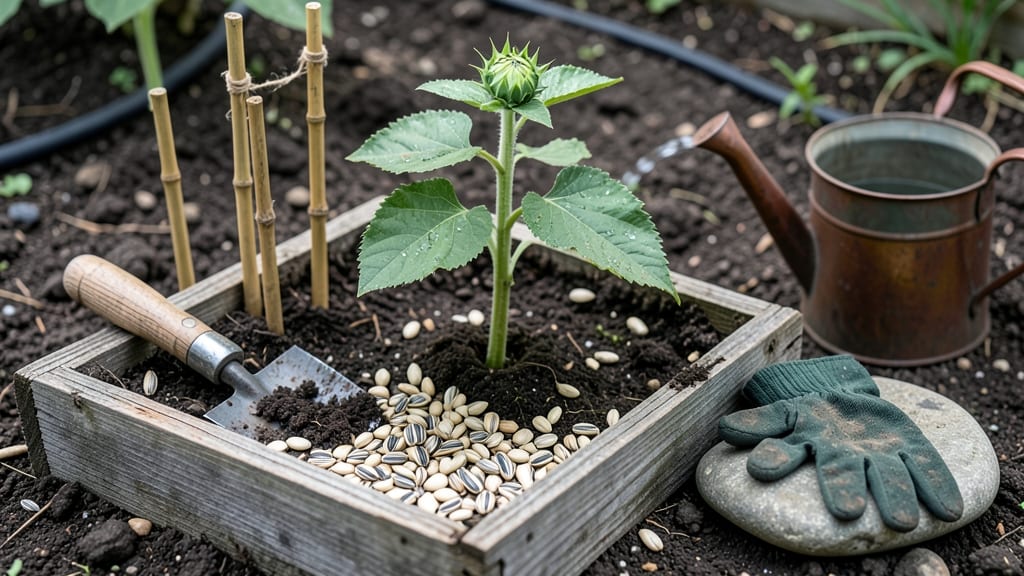
Planting sunflower seeds in Ohio should happen when soil temperatures hit at least 50°F and the last frost date has passed — typically mid-April to late June, depending on your microclimate.
Ohio’s unpredictable spring weather can make sunflower planting a guessing game—but timing is everything for vibrant blooms and strong stems. Get the exact soil temperature and planting window to ensure your 🌻 thrive from seed to towering height.
In northern Ohio’s 6a zone, where frosts linger longer, wait until early May for direct sowing, while southern Ohio’s warmer pockets can start as early as mid-April. The key is soil warmth, not just calendar dates.
Below, I’ll break down the ideal planting dates by region, soil prep tips, and how to adjust for Ohio’s variable weather—so you can grow sunflowers that reach their full potential.
Ohio sunflower planting calendar by soil temperature zones
Ohio’s diverse climate means northern and southern regions have different ideal planting windows for sunflowers. The key to success? Soil temperature—sunflower seeds need at least 50°F (10°C) to germinate.
In colder northern Ohio, wait until late April or early May, while southern Ohio gardeners can start as early as mid-April. Understanding your last frost date and microclimate ensures your sunflowers grow tall and strong before autumn’s chill sets in.
Sunflowers are fast-growing annuals, but Ohio’s unpredictable spring can throw off timing. Plant too early, and frost will kill tender seedlings. Too late, and you’ll miss the long daylight hours of summer needed for those iconic blooms.
I’ve broken down the best planting windows by Ohio’s USDA Zone 6a regions, so you can align your planting with soil warmth and sunlight.
Why soil temperature matters: Sunflower seeds won’t sprout below 50°F (10°C). Use a soil thermometer to check—if it’s cooler, wait. In northern Ohio, soil may linger below this threshold until late April, while southern Ohio often hits 50°F by mid-April. This 2-week difference can mean the difference between thriving sunflowers and stunted growth.
Frost risk analysis: Ohio’s average last frost date ranges from April 15 in the south to May 1 in the north. Sunflowers are frost-sensitive as seedlings, so time your planting to give them at least 60 days of warm weather before the first frost in October. This means late June plantings in northern Ohio may still yield mature flowers before frost, while southern Ohio allows for July sowings for late-season blooms.
For northern Ohio gardeners, aim to plant sunflower seeds between late April and early June. This window ensures seedlings emerge when soil is warm enough (50°F+) and gives plants at least 80 days to mature before frost.
In Cleveland or Toledo, where last frosts often hit May 1, early June plantings can still produce full-size sunflowers if given consistent care.
In central Ohio, like Columbus or Dayton, you have a slightly longer window—mid-April to late June. The earlier start means you can experiment with dwarf varieties (like 'Teddy Bear') for earlier blooms or tall varieties (like 'Mammoth') for late-summer height.
Test your soil temperature weekly in spring to catch the perfect moment.
Southern Ohio’s warmer microclimate allows for two planting windows: mid-April to early July. This flexibility lets you grow early bloomers (like 'Autumn Beauty') in spring and late-season varieties in summer.
In Cincinnati or Lexington, July plantings can still yield mature flowers by October, provided you choose fast-maturing varieties (like 'ProCut' for seed production).
Pro tip: Use row covers if planting early in cooler regions. They can raise soil temperature by 2-3°F, helping seeds germinate faster. Remove covers once seedlings emerge to prevent overheating.
For extended harvests, succession plant every 2 weeks from April through June—this ensures a continuous display of vibrant blooms all summer long.
Remember, sunflowers are drought-tolerant once established, but young seedlings need consistent moisture. In Ohio’s variable rainfall, water deeply once a week during dry spells to encourage strong root development. Pair your sunflowers with companion plants like bush beans or marigolds to improve soil health and deter pests.
With these region-specific guidelines, you
Step-by-step guide to planting sunflower seeds in Ohio’s climate
Ohio’s variable climate demands precise timing and technique when planting sunflower seeds. Whether you’re direct sowing or transplanting seedlings, following these steps ensures strong germination and disease resistance.
The key is balancing soil warmth with frost-free windows—especially in Ohio’s Zone 6a, where late frosts linger into May.
Sunflowers thrive when planted after the last frost, but Ohio’s unpredictable spring means you’ll need to monitor soil temperatures closely. Aim for 50°F+ at 2-inch depth—this triggers germination without fungal risks. In northern Ohio, wait until mid-May; southern Ohio gardeners can start as early as late April.
Always test soil with a thermometer to avoid common pitfalls like rot or stunted growth.
How to Plant Sunflower Seeds in Ohio
-
Step 1: Choose Your Method
- • Direct sowing: Best for Ohio’s short season; plant seeds 1 inch deep in well-draining soil.
- • Transplanting: Start seeds indoors 4-6 weeks before last frost; harden off before moving outdoors.
-
Step 2: Prepare the Soil
- • Loosen soil to 12 inches deep with a garden fork.
- • Amend with compost to improve drainage and reduce fungal diseases (common in Ohio’s humid summers).
- • Add 1 tbsp of 10-10-10 fertilizer per planting hole for nutrient boost.
-
Step 3: Plant at the Right Depth
- • Place 1-2 seeds per hole, 1 inch deep.
- • Space seeds 6 inches apart in rows 18-24 inches apart to prevent overcrowding.
- • Thin seedlings to 1 per spot once they’re 4 inches tall.
-
Step 4: Protect from Ohio’s Wildlife
- • Use deer-resistant varieties like ‘Autumn Beauty’ or ‘Moulin Rouge.’
- • Install chicken wire cages around seedlings or plant near marigolds or basil to deter pests.
-
Step 5: Water and Mulch
- • Water deeply in the morning to prevent fungal spores from thriving.
- • Apply 2-3 inches of mulch (straw or grass clippings) to retain moisture and suppress weeds.
Ohio’s humid summers can lead to powdery mildew if sunflowers lack airflow. To prevent this, avoid overhead watering and space plants at least 12 inches apart.
If you notice white powder on leaves, spray with a baking soda solution (1 tsp baking soda + 1 quart water) for a quick fix. For large gardens, consider dwarf varieties like ‘Teddy Bear’ to reduce disease risk.
After planting, monitor your sunflowers for deer or rabbit damage, which is rampant in Ohio’s rural areas. If you spot chewed leaves, apply physical barriers like mesh or plant repellent herbs like rosemary nearby.
With the right spacing and protection, your sunflowers will grow 6-14 feet tall by late summer, providing vibrant blooms and bird-friendly seeds.
For a second planting, sow seeds again in early July to enjoy fall blooms. Ohio’s first frost typically arrives in mid-October, giving late sunflowers plenty of time to mature.
Harvest seeds when the back of the petals turns yellow—this ensures they’re ready for bird feeders or next year’s garden.