
How To
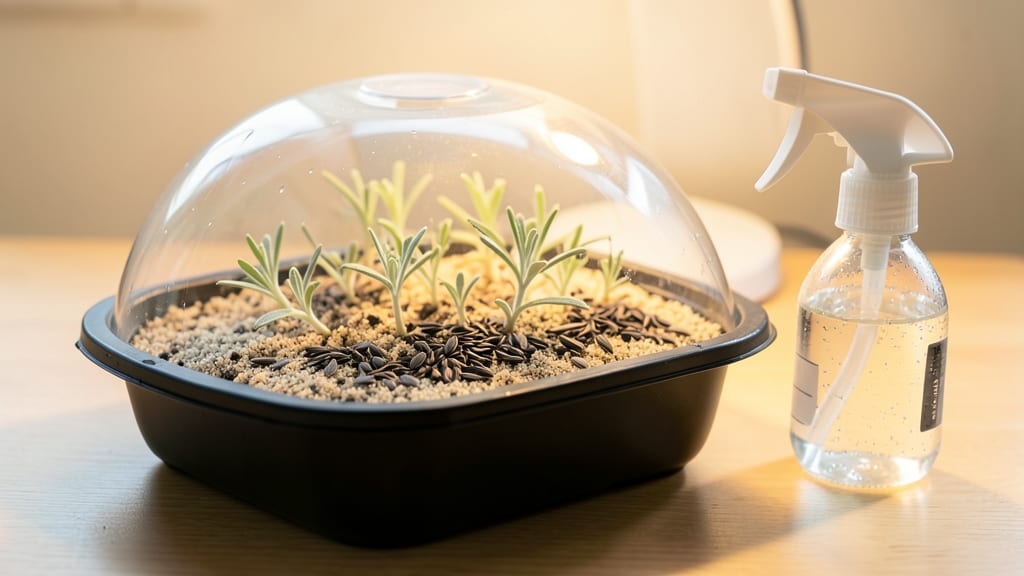
To start strawflower seeds indoors, aim for 8 to 10 weeks before your last frost date—typically late January to early February for most gardeners in Zone 6a.
Picture this: you’ve got a tray of tiny 🌼 strawflower seedlings, but they’re stretching like overgrown noodles because you waited too long. Or worse, they’re already blooming by the time you transplant them outside, missing the peak summer color you were hoping for.
Getting the timing right means the difference between a showstopping garden and a letdown.
Strawflowers thrive when given enough time to grow sturdy stems and strong roots before facing the elements. Indoor starting lets you control light, temperature, and moisture—key factors that can make or break your seedlings.
But without a clear timeline, even the most well-intentioned gardener can end up with weak plants or a delayed bloom.
In this guide, I’ll walk you through the exact weeks to start your seeds based on your zone, how to adjust for early or late blooms, and the 3 biggest mistakes that stunt growth.
By the end, you’ll know exactly when to plant for healthy, vibrant strawflowers that’ll last all summer long.
Strawflower seed starting timeline by USDA planting zones
Timing is everything when starting strawflower seeds indoors. These drought-loving annuals need 8-10 weeks of indoor growth before transplanting outdoors. Miss the window, and you’ll end up with late-blooming plants or leggy seedlings that struggle to recover.
Your USDA zone determines the perfect indoor sowing date—whether you’re in Zone 3’s harsh winters or Zone 10’s mild climate.
For gardeners in high-altitude areas (like Denver or Salt Lake City), adjust your timeline 2-3 weeks earlier since frost dates arrive sooner. Use your average last frost date as your anchor point, then count backward.
Strawflowers thrive in warm soil (70°F+), so aim to transplant when nighttime temps stay above 50°F consistently.
Here’s your zone-by-zone indoor sowing schedule, including adjustments for high-altitude gardens. Bookmark this for quick reference next season!
If you’re in Zone 9 or 10, you can even start seeds as early as late January—just reduce the indoor time to 6-8 weeks since frost isn’t a concern.
For Zones 3-4, consider using a seedling heat mat (70-75°F) to speed up germination, which can take 7-14 days in cooler conditions.
Pro tip: Mark your last frost date on your calendar and count backward. For example, if your last frost is May 1, start seeds by March 1 in Zone 6.
Use a grow light if your windowsill gets less than 6 hours of sunlight daily—strawflowers hate legginess!
High-altitude gardeners should also account for cooler soil temps. If you’re above 5,000 feet, add 1-2 extra weeks to your indoor timeline. For instance, a Zone 6 gardener in Denver might start seeds by late February instead of mid-March.
Always monitor your seedlings’ light exposure and soil moisture—these two factors make the biggest difference in seedling health.
Once your strawflowers have 4-6 true leaves and are 3-4 inches tall, they’re ready for transplanting. Harden them off for 7-10 days by gradually exposing them to outdoor conditions. Plant in full sun with well-draining soil, and watch those vibrant blooms light up your garden by summer!
Remember: Early starts mean longer bloom seasons. If you want fall-blooming strawflowers, you can even try a second indoor batch in late June for a late-season show. Just adjust your timeline to ensure they flower before your first frost.
🌼
How to adjust indoor seed starting for early or late blooms
Want to extend your strawflower bloom season? Adjusting your indoor seed starting timeline is the key. By manipulating light exposure, temperature control, and grow lights, you can push blooms earlier or delay them for a longer display.
For example, I’ve used this method to get June blooms instead of waiting for July—just by starting seeds 4 weeks earlier than the standard schedule.
Strawflowers are sensitive to day length, so fine-tuning their growth stages lets you control when they flower. If you’re in a cooler zone like 3-5, you might need to start seeds indoors as early as January to compensate for a shorter growing season.
Conversely, gardeners in warmer zones (7-10) can delay starting until March and still enjoy summer blooms.
Here’s how to adjust your timeline for early or late blooms using simple techniques:
Pro tip: Monitor your seedlings closely. If they’re stretching toward the light (a sign of etiolation), it’s time to adjust. I once had a batch of strawflowers that grew 3 inches in a week under 18 hours of light—way too fast!
Reducing light to 14 hours/day brought their growth back into balance.
Adjusting your timeline isn’t just about pushing blooms earlier or later—it’s about creating the perfect conditions for your strawflowers to thrive. With the right balance of light, temperature, and timing, you can enjoy vibrant blooms for weeks longer than the standard schedule allows.
Start experimenting, and you’ll soon master the art of fine-tuning your garden’s bloom season. 🌼