
Flowers
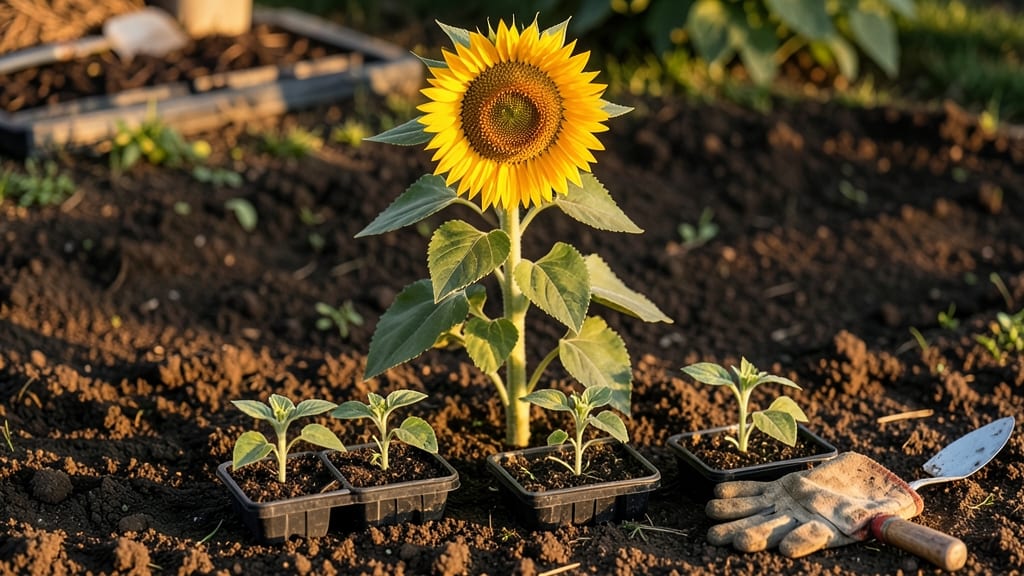
Plant sunflowers in Michigan between mid-April and mid-June for the tallest, hardiest stalks 🌻 — timing this right means the difference between a thriving garden and a missed opportunity.
Michigan’s sunny summers and diverse microclimates create the perfect stage for growing sunflowers—but planting them too early or late can mean the difference between towering, golden stalks and wilted disappointment.
If you’ve ever watched your sunflowers struggle through a late frost or bolt in the heat, you know how critical the right window is.
The key is waiting until soil temperatures hit at least 50°F and all danger of frost has passed, which usually lands in May for most of the state.
In this guide, I’ll break down the exact planting dates by USDA zone, share proven strategies to handle Michigan’s unpredictable weather, and recommend the best sunflower varieties for your garden’s growing season.
Michigan planting zones and sunflower seed timing by month
Michigan’s USDA planting zones 4-6 offer diverse conditions for sunflowers, but timing directly impacts their height and bloom potential. In Zone 4, where frost lingers longer, aim for late May planting, while Zones 5-6 can start as early as mid-April after soil warms to 50°F.
Understanding these microclimate differences ensures your sunflowers reach their full 10-16 foot potential.
Sunflowers thrive in Michigan’s full-sun exposure, but soil temperature is the critical factor. Wait until the ground consistently stays above 50°F—this usually aligns with mid-April in southern Michigan and late May in the Upper Peninsula.
For early blooms, consider indoor starts 4-6 weeks before your last frost date, though direct sowing outdoors yields hardier stalks.
🌱
| Zone | Month | Direct Sowing Window | Indoor Start Window | Soil Temp Threshold | Variety Recommendation |
|---|---|---|---|---|
| 4a | April | Mid-May to June 1 | March 15-April 1 | 50°F+ consistently | 'Teddy Bear' (dwarf) |
| 4b | April | Late April to May 15 | March 1-April 15 | 50°F+ consistently | 'Moulin Rouge' (red petals) |
| 5a | April | Mid-April to May 10 | February 28-March 15 | 50°F+ consistently | 'Russian Giant' (12+ ft) |
| 5b | April | Late March to April 30 | February 15-March 1 | 50°F+ consistently | 'Autumn Beauty' (multi-color) |
| 6a | April | Early April to May 1 | January 31-February 15 | 50°F+ consistently | 'ProCut' (cut flower) |
| 6b | April | Mid-March to April 15 | January 15-February 1 | 50°F+ consistently | 'Evening Sun' (late season) |
For Zone 4 gardeners, late May planting is ideal for avoiding frost damage, while Zones 5-6 can start as early as mid-April. In southern Michigan, where Zone 6b dominates, you can even sow early March indoors for June blooms.
Always check your last frost date—typically mid-April in Detroit and late May in Traverse City—to avoid chilly soil shock.
Sunflowers planted in June or July will still thrive, producing late-season blooms
How to adjust planting dates for Michigan’s unpredictable weather
Michigan’s weather can shift faster than a summer thunderstorm, leaving gardeners scrambling to protect tender sunflower seedlings 🌱. The average last frost in USDA zones 5b-6b typically occurs around May 15, but northern Michigan may face frost well into June.
To avoid disappointment, I’ve learned to adjust my planting dates based on real-time conditions rather than relying solely on calendars.
One of my biggest mistakes was planting sunflowers in early April, only to watch them succumb to a late frost. Since then, I’ve adopted a two-pronged approach: monitoring soil temperatures and using protective measures to extend the growing season when needed.
This strategy has helped me achieve 12-foot stalks even in cooler years.
⚠️ Premature Frost Warning Signs
Watch for these 3 critical indicators that frost may arrive sooner than expected:
- ❄️ Frost advisory on local weather forecasts (even if not in your immediate area)
- 🌬️ Sudden wind shifts from the north or northwest
- 🌙 Clear nights with high humidity (ideal frost conditions)
Action: If frost is predicted within 48 hours of planting, delay sowing by 2-3 weeks or use row covers for protection.
For late starts, I’ve had great success with cold frames and floating row covers. These simple tools can raise soil temperatures by 5-10°F, creating a microclimate that lets me plant sunflowers as early as mid-April in southern Michigan or late May in the Upper Peninsula.
I typically use black plastic mulch under row covers to accelerate soil warming.
Michigan’s humid summers also increase the risk of fungal diseases like powdery mildew, which can devastate sunflowers. To combat this, I select disease-resistant varieties like 'Autumn Beauty' or 'Moulin Rouge', which thrive in our climate.
I also practice proper spacing (18-24 inches apart) to improve air circulation and reduce humidity around the plants.
When adjusting planting dates, I follow this 5-step checklist:
- Monitor soil temperatures (use a soil thermometer)
- Check 7-day weather forecasts for frost warnings
- Prepare protective covers in advance
- Choose disease-resistant varieties for your zone
- Plant successive crops every 2 weeks for extended harvests
Remember, sunflowers are remarkably resilient once established, but giving them the right start makes all the difference. With these adjustments, you’ll be well on your way to growing Michigan’s tallest, hardiest sunflowers—no matter what Mother Nature throws your way 🌻.