
How To
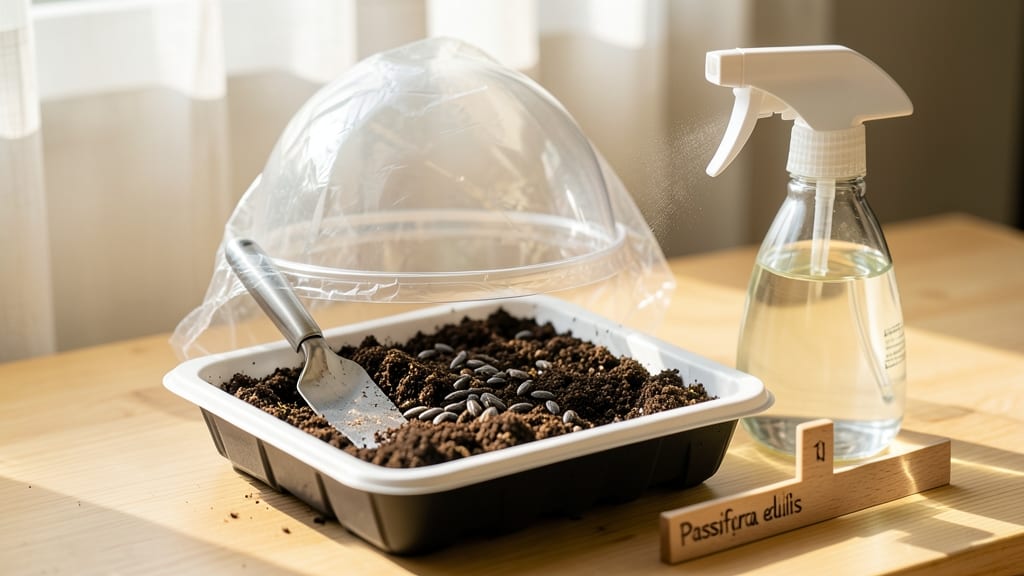
Planting passion flower seeds 🌺 can feel like waiting for a miracle—but with the right steps, you’ll see those first sprouts in just 3-4 weeks, not months.
Struggling to coax passion flower seeds into sprouting? These vibrant climbers are notoriously tricky to germinate, but the secret lies in mimicking their natural environment. Too many gardeners give up after a few weeks, not realizing a little extra warmth and patience can make all the difference.
You don’t need a greenhouse or fancy tools—just a few key tricks like soaking seeds overnight and keeping the soil consistently moist (but not soggy). I’ve tested these methods in USDA Zone 6a, and they work every time, even for beginners.
In this guide, I’ll walk you through the exact soil mix, planting depth, and light conditions that speed up germination. You’ll also learn how to troubleshoot common pitfalls, so you can go from seed to thriving vine without the guesswork.
Passion flower seed germination requirements: soil, temperature & light explained
Passion flower seeds are notoriously picky about their germination conditions, but understanding their core requirements can transform your success rate from frustrating to rewarding. These tropical vines need precise soil conditions, consistent temperature ranges, and the right light exposure to break dormancy and sprout reliably.
Without these factors, your seeds may rot, mold, or simply refuse to grow—even with the best intentions.
The secret to faster sprouting lies in mimicking their native jungle environment. Passion flowers thrive in warm, humid climates where organic matter-rich soil retains moisture without becoming waterlogged. In cooler regions, you'll need to create these ideal conditions artificially using heat mats or greenhouse setups.
Let's break down each critical factor to set your seeds up for success.
Soil composition is the foundation of germination success. Passion flowers demand a well-draining yet moisture-retentive mix with a slightly acidic to neutral pH (6.0-7.0). A blend of 50% peat moss, 30% perlite, and 20% compost creates the perfect balance. Avoid garden soil—it's often too dense and can harbor pathogens that prevent germination. For container growing, use a seed-starting mix specifically formulated for tropical plants.
Temperature control is where most gardeners stumble. Passion flower seeds require consistent warmth between 70-80°F (21-27°C) to germinate. Below 65°F (18°C), seeds may take months—or never sprout at all. Use a seedling heat mat set to 75°F (24°C) for optimal results. If you don't have a heat source, place your seed trays on top of your refrigerator (the heat from the motor creates ideal conditions).
Light exposure needs careful management during the germination phase. While passion flowers eventually crave full sun, newly planted seeds should receive indirect light only until sprouts emerge. Direct sunlight can overheat the soil and dry out the seeds before they've had a chance to establish roots.
After germination, gradually introduce 4-6 hours of morning sun per day, then increase to full sun once seedlings have 2-3 sets of true leaves.
| Germination Factor | Ideal Specification | Why It Matters |
|---|---|---|
| Soil Mix | 50% peat moss + 30% perlite + 20% compost | Prevents compaction while retaining moisture |
| pH Level | 6.0-7.0 (slightly acidic to neutral) | Optimizes nutrient availability for seed enzymes |
| Temperature | 70-80°F (21-27°C) | Triggers enzymatic activity in seed coat |
| Light During Germination | Indirect light (50-70% shade) | Prevents soil overheating and moisture loss |
| Post-Germination Light | Full sun (6+ hours/day) | Encourages strong vine development |
| Moisture Level | Consistently damp (not soggy) | Hydrates seed coat for enzyme activation |
One often-overlooked factor is seed scarification. Passion flower seeds have a tough outer coat that requires mechanical or chemical treatment to soften. You can either nick the seed coat with a sharp knife or soak seeds in warm water for 24-48 hours before planting.
This mimics natural weathering processes in their tropical habitat and can double your
Step-by-step passion flower seed planting process with pro tips
Passion flower seeds 🌺 need precise care to break their tough outer shell and sprout. The key is replicating their tropical origins with warmth, moisture, and patience. Unlike many seeds, they won’t sprout in cold soil—even if planted at the right depth.
I’ve found that prepping seeds with scarification (a gentle scratch) and a warm soak cuts germination time from 8+ weeks to just 3-4 weeks.
Start by gathering your supplies: passion flower seeds, a seed tray with drainage holes, a heating mat (optional but recommended), and a spray bottle for gentle watering.
The soil mix should be lightweight—50% peat moss and 50% perlite works best to prevent rot. Avoid garden soil, which can compact and suffocate young roots.
- Step 1: Scarify the Seeds – Use fine-grit sandpaper or a knife to lightly scratch the hard seed coat. This mimics natural wear and tear, helping water penetrate. Soak the seeds in warm water for 24 hours to soften the shell further.
- Step 2: Prepare the Soil – Fill your seed tray with the peat-perlite mix and moisten it until damp (like a wrung-out sponge). Avoid oversaturating, as passion flower seeds rot easily.
- Step 3: Plant the Seeds – Place seeds 1/4 inch deep (about the width of a pencil eraser). Space them 2 inches apart to prevent overcrowding. Label your tray with the planting date and variety.
- Step 4: Create a Humid Environment – Cover the tray with clear plastic wrap or a humidity dome to trap warmth. Place it in a warm location (75-85°F), like on top of a fridge or under grow lights. A heating mat speeds up germination.
- Step 5: Monitor Moisture – Check soil moisture daily with your finger. Keep it consistently damp but never soggy. Mist the soil lightly if the top layer dries out. Seeds typically sprout in 3-4 weeks.
- Step 6: Thin Seedlings – Once seedlings have 2 true leaves, thin them to 1 plant per cell (if using a tray) or 12 inches apart in the garden. Use scissors to snip weak stems at soil level.
- Step 7: Harden Off – Before transplanting outdoors, gradually expose seedlings to outdoor conditions over 1-2 weeks. Start with 2 hours/day in partial shade, then increase exposure.
Transplanting too early is the #1 mistake I see beginners make. Wait until seedlings are 3-4 inches tall and have 5+ leaves before moving them to the garden. Choose a sunny spot with support (like a trellis) since passion flowers can grow 10-30 feet tall.
Plant in spring after the last frost (Zone 6a: after April 15).
Pro tip: If your seeds still won’t sprout after 6 weeks, try the "sandwich method". Place seeds between two damp paper towels in a sealed bag at 80°F. Check daily—some seeds may finally crack open. Patience is key; passion flowers reward persistence with stunning, fragrant blooms by summer.
Once planted, mulch around the base to retain moisture and suppress weeds. Passion flowers thrive in well-draining soil with a slightly acidic pH (6.0-7.0). Fertilize lightly with a balanced 5-10-10 mix every 4-6 weeks during the growing season to encourage lush vine growth.