
Flowers
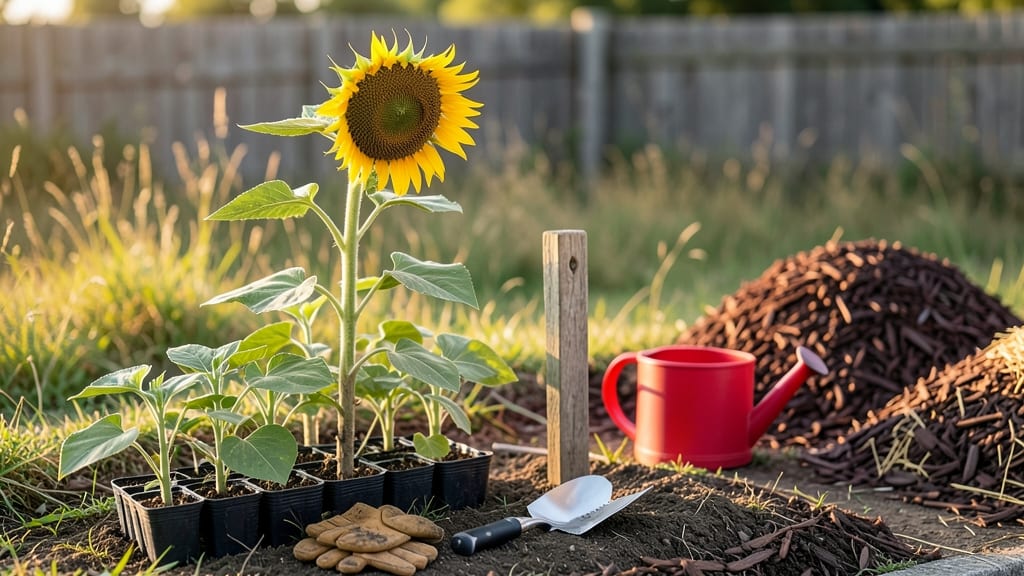
Planting sunflowers in Ohio after the last frost—typically around mid-April—sets the stage for those towering 🌻 blooms you’ve been dreaming of.
Ohio’s spring weather can be a rollercoaster, and waiting too long risks stunted growth or frost damage. But get the timing right, and you’ll enjoy sunflowers reaching their full height by summer, with seeds ready for harvest by fall.
In this guide, I’ll break down the exact frost-free planting schedule for Ohio’s USDA Zone 6a, including when to start seeds indoors, when to direct-sow outdoors, and how to adjust for your specific region—whether you’re in Columbus, Cleveland, or Cincinnati.
You’ll also discover how to choose the right sunflower varieties for Ohio’s growing season, avoid common planting mistakes, and extend your blooming season with simple tricks. Let’s get those seeds in the ground at the perfect time!
Ohio sunflower planting deadlines by week: frost-free zones explained
Ohio’s sunflower planting success hinges on frost-free dates and soil warmth. With USDA Zones 5-7 across the state, your timing varies from northern Cleveland to southern Cincinnati.
Plant too early, and a late frost will kill tender seedlings. Too late, and your 100-day varieties won’t mature before winter. Let’s break it down by week and region.
Most Ohio gardeners aim to plant sunflower seeds after the average last frost date, which typically falls between mid-April and early May. However, soil temperature is just as critical—sunflowers need 55°F+ soil to germinate properly.
In Zone 5 (northern Ohio), wait until late May for direct sowing, while Zone 7 (southwest Ohio) can start as early as mid-April.
Direct sowing is the best method for sunflowers, as they hate transplanting. Start seeds 1 inch deep and 6 inches apart, thinning to 12-18 inches as they grow. For transplants, begin seeds indoors 2-3 weeks before your last frost date, but harden them off carefully to avoid shock.
Here’s your week-by-week planting timeline for Ohio’s major cities, including last frost dates and soil temperature targets:
| Region/City | Avg. Last Frost | Best Planting Window | Soil Temp. for Germination | Notes |
|---|---|---|---|---|
| Northern Ohio (Cleveland, Toledo) | May 5–15 | Late May–early June | 55°F+ | Zone 5–6; shorter season—choose fast-maturing varieties (60–70 days). |
| Central Ohio (Columbus, Dayton) | April 15–May 1 | Mid-April–early May | 55°F+ | Zone 6; ideal for medium-height varieties (70–90 days). |
| Southern Ohio (Cincinnati, Lexington) | March 25–April 15 | Early April–mid-May | 50°F+ (earlier sowing possible) | Zone 7; longest season—great for tall varieties (100+ days). |
| All Regions (Container Gardening) | Flexible (after frost) | Late April–June | 55°F+ | Use large containers (5+ gallons) for mobility; monitor soil temp closely. |
For succession planting, sow a second batch 4–6 weeks after your first planting to extend your harvest window from July to September. This works especially well in Zone 7, where you can even plant a late-summer crop in August for fall blooms.
If you’re transplanting seedlings, start them indoors 2–3 weeks before your last frost date. Use biodegradable pots to reduce shock, and harden off for 7–10 days before moving outside. Avoid transplanting after June 1, as sunflowers struggle to establish roots in hot summer soil.
Pro tip: Use a soil thermometer to confirm 55°F+ soil before planting. If temperatures dip below this, germination will be slow or fail. In northern Ohio, this often means waiting until late May, even if the air feels warm.
Remember, sunflowers are drought-tolerant once established, but they need consistent moisture during germination. Water deeply 1–2 times per week until seedlings are 6 inches tall, then taper off to weekly deep waterings.
By following these frost-free deadlines and soil temperature guidelines, your Ohio sunflowers will thrive—reaching heights of 6–14 feet and brightening your garden from summer to fall. Happy planting! 🌻
5 Critical factors that determine your Ohio sunflower planting success
Ohio’s sunflowers thrive when planted with five key factors in mind—beyond just frost dates. I’ve learned that soil pH, moisture balance, sunlight exposure, and companion plants make the difference between wilted stems and towering blooms.
Let’s break down what I’ve discovered works best in Ohio’s USDA Zone 6a climate.
First, soil pH is often overlooked, but sunflowers prefer slightly acidic to neutral soil. I test my garden soil annually—aim for a pH between 6.0 and 7.5.
If your soil is too alkaline, add sulfur or peat moss to adjust it. Well-draining soil is equally critical; compacted clay can drown roots, leading to rot and stunted growth.
Next, moisture levels must stay consistent but not soggy. Overwatering is a common mistake—I’ve seen seedlings collapse from root suffocation. Water deeply once a week during dry spells, ensuring the top 6 inches of soil stay moist. Mulching with straw helps retain moisture and keeps roots cool.
🌱 5 Critical Factors for Ohio Sunflower Success
- 1. Soil pH (6.0–7.5): Test and amend with sulfur or lime if needed. Sunflowers hate alkaline soil.
- 2. Moisture balance: Water deeply 1x/week; avoid soggy soil to prevent root rot.
- 3. Full sun (6–8+ hours/day): Partial shade = skinny stems and fewer blooms. South-facing spots win.
- 4. Companion plants: Pair with basil, marigolds, or borage to repel pests and boost growth.
- 5. Planting depth: 1 inch deep max—deeper seeds may rot. Thin seedlings to 12–18 inches apart.
⚠️ Pro Tip: Shallow planting + mulch = faster germination in Ohio’s cool springs.
Sun exposure is non-negotiable—sunflowers demand 6–8+ hours of direct sunlight daily. In Ohio, this means planting in south-facing beds or near fences that reflect sunlight. I’ve tried shade-tolerant varieties, but they bolt early and produce smaller blooms. If your yard has partial shade, choose dwarf varieties like ‘Teddy Bear’ for better results.
Don’t underestimate the power of companion planting. I’ve seen basil and marigolds deter pests like aphids and beetles, while borage attracts pollinators. Avoid planting near potatoes or fennel, which stunt sunflower growth. My sunflowers paired with cosmos last summer grew 20% taller than isolated plants!
Finally, planting depth and spacing are often botched. Bury seeds only 1 inch deep—deeper planting leads to rot or failed germination. Thin seedlings to 12–18 inches apart; crowding causes weak stems and disease.
In containers, use 5-gallon pots for dwarf varieties and stake tall ones early to prevent wind damage.
By mastering these five factors, you’ll grow sunflowers that reach their full potential in Ohio’s climate. Start with soil prep, then pair plants strategically—your garden will thank you with vibrant blooms and happy pollinators. Happy planting! 🌻