
Plants
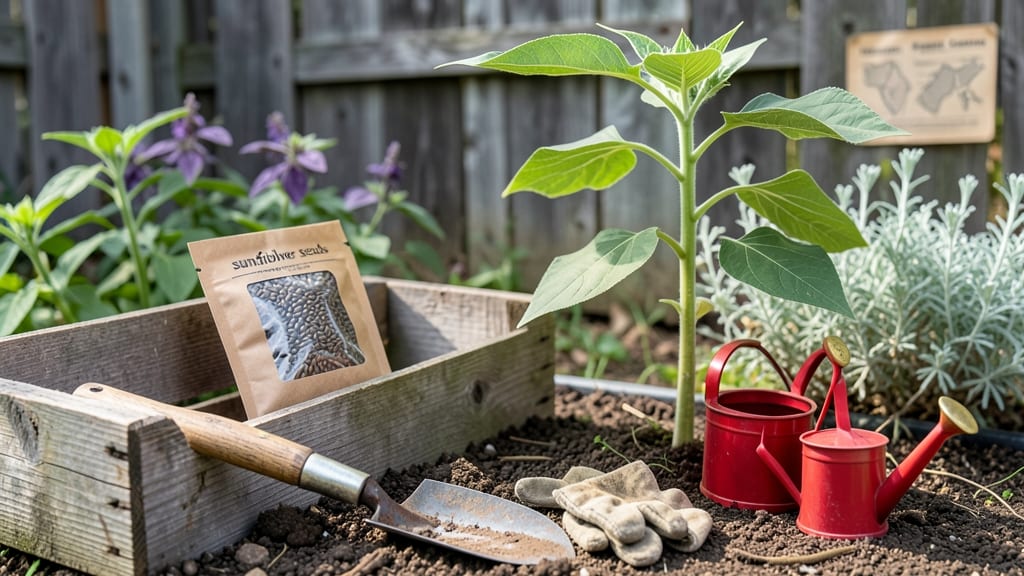
Plant sunflower seeds in Southern California between February and April for fast blooms that avoid summer’s scorching heat—coastal gardeners can stretch this window into May, while inland areas should start by late March.
Sunflowers thrive in Southern California’s warm climate—but planting them at the wrong time means wilting before they bloom. Discover the exact months to sow seeds for towering, heat-resistant sunflowers that reach maturity before July’s peak heat.
With no frost to worry about in most of the region, the key is timing your 🌻 seeds to beat the heat. Spring planting (February–April) gives sunflowers 60–90 days to grow before temperatures climb past 90°F, while fall plantings in September–October yield blooms before winter’s chill sets in.
Below, I’ll break down the best varieties for your microclimate, soil prep tips, and a 3-step checklist to ensure your sunflowers grow tall and strong—no matter where in SoCal you garden.
Best planting months for sunflowers in Southern California’s climate zones
Southern California’s microclimates create perfect conditions for sunflowers—but timing is everything. Coastal areas like Malibu and San Diego (Zones 9-10) enjoy mild winters, while inland regions like Los Angeles and Riverside (Zones 8-9) face hotter summers.
Planting too early risks frost in high deserts, while late sowing means sunflowers bolt before blooming. Let’s break down the ideal planting windows for each zone to maximize those cheerful, towering blooms.
Sunflowers are annuals in Southern California, meaning they complete their life cycle in one season. Most varieties need 60-120 days to mature, depending on the type. For example, ‘Moulin Rouge’ (a dwarf variety) blooms in 50-60 days, while ‘Russian Giant’ takes 100-120 days.
This means your planting window must align with your region’s heat and rainfall patterns to avoid stress.
Here’s the golden rule: Plant sunflower seeds when soil temperatures reach at least 50°F (10°C). In Southern California, this typically happens in late February to early April for spring plantings and late September to early October for fall plantings.
Coastal areas can start slightly earlier, while inland zones should wait until after March’s last frost risk (though frost is rare below 2,000 feet).
🌱
For coastal gardens (like those in Santa Barbara or Orange County), you can start seeds indoors in January and transplant outdoors by February. This early start gives sunflowers a head start before summer’s heat intensifies.
In contrast, inland areas (such as Riverside or Palm Springs) should wait until March to avoid the 100°F+ temperatures that can shock young seedlings.
If you’re aiming for fall blooms, plant seeds in late September to ensure they mature before winter rains arrive. Coastal zones can push this to early October, while inland zones should finish by mid-September.
Fall-planted sunflowers often produce hardier blooms and are less prone to pests like sunflower moths, which thrive in summer’s heat.
One of my favorite varieties for Southern California’s climate is ‘Russian Giant’. This towering sunflower (up to 18 feet tall) thrives in longer growing seasons and handles inland heat better than most.
For shorter seasons or urban gardens, ‘Moulin Rouge’ is a dwarf variety that blooms in just 50 days and reaches only 2–3 feet in height—perfect for containers or small spaces.
🌻
Avoid planting sunflowers in May through August, when temperatures regularly exceed 90°F (32°C). Seedlings struggle to germinate in hot, dry soil, and established plants may bolt prematurely (produce flowers without growing tall).
Instead, use this time to prepare your garden beds: add compost, mulch heavily, and ensure your soil retains moisture. This sets your sunflowers up for successful growth when you replant in the fall.
Pro tip: Stagger your planting every 2–3 weeks within the ideal window. This ensures a continuous display of blooms from June through October. For example, plant the first batch in March, the second in late March, and the third in early April.
This method also extends your harvest window for sunflower seeds, which are a nutrient-rich snack for birds and humans alike.
💧
How to time sunflower planting for fast blooms & avoiding summer heat stress
Sunflowers love Southern California’s sunshine, but timing is everything. Plant too early, and they’ll bolt in the heat; too late, and they won’t bloom before winter. The key is staggered planting to spread out your blooms and avoid summer’s scorching temperatures.
Inland areas like Riverside face hotter, drier conditions than coastal spots like Santa Barbara, so adjust your schedule accordingly.
For fastest results, aim for soil temperatures above 60°F—use a soil thermometer to check before planting. Most Southern California regions hit this mark by mid-February, but coastal areas may need to wait until late March.
The magic window? February through April for spring plantings, with a second chance in September-October for fall blooms.
-
Step 1: Test Soil Temperature
Wait until soil reaches 60°F+ (use a thermometer 2" deep). Coastal areas hit this in March-April; inland areas often by February.
-
Step 2: Stagger Plantings Every 2 Weeks
Sow seeds in 3 batches (e.g., Feb 1, Feb 15, March 1) to extend blooms through summer. This ensures at least one batch matures before July’s heat peaks.
-
Step 3: Water Deeply at Dusk
Water 1-2 gallons per plant every 7-10 days (more in 100°F+ heatpowdery mildew.
Don’t forget to choose heat-tolerant varieties like ‘Autumn Beauty’ or ‘ProCut’—they handle Southern California’s summer heat better than standard types. These varieties mature in 60-70 days, giving them a fighting chance against July’s blazing sun.
If you’re in a high-desert area, like Palm Springs, opt for dwarf varieties like ‘Teddy Bear’ to avoid heat stress entirely.
Pro tip: Use mulch to keep roots cool and retain moisture. Spread a 2-inch layer of straw or wood chips around plants after they’re 6 inches tall. This simple trick can mean the difference between wilting and thriving during SoCal’s hottest months.
Mulch also suppresses weeds, so you’ll spend less time fussing over your garden.
For a foolproof approach, mark your calendar for spring (Feb-Apr) and fall (Sep-Oct) plantings. By following these steps, you’ll enjoy sunflowers blooming from June through October—just in time for summer’s longest days. The secret? Timing, patience, and a little shade cloth during the hottest afternoons can work wonders.
🌻