
Planting
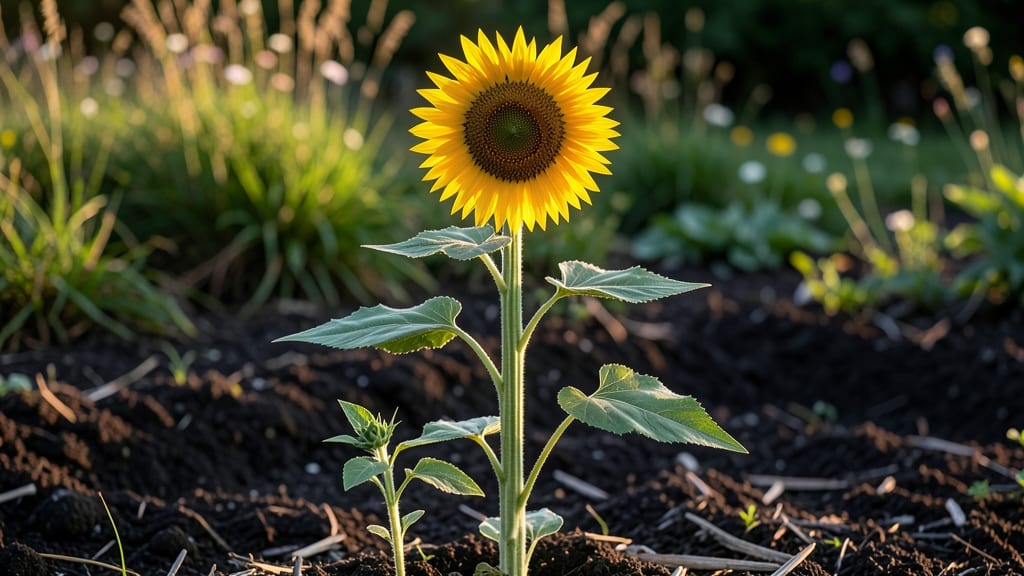
Growing sunflowers from seeds to towering 🌻 blooms takes about 70 to 120 days of sunflower growth time, depending on the variety and growing conditions—but knowing the exact timeline helps you plan for the most dramatic results.
Picture this: you tuck a tiny seed into the soil in April, and by late summer, you’re snapping photos of sunflowers that dwarf your garden fence. That transformation isn’t magic—it’s science, and timing is the key.
Dwarf varieties like Teddy Bear can reach full bloom in as little as 50 days, while giants like Russian Mammoth take closer to 120 days.
Climate, soil quality, and even watering habits can shift that schedule by weeks, which is why understanding the stages—from sprouting to seed development—makes all the difference.
Below, I break down the full sunflower growth timeline by variety, plus pro tips to speed up or slow down growth naturally so you can enjoy those golden faces exactly when you want them.


Sunflower growth timeline by variety: days to full bloom
Understanding your sunflower growth timeline is key to planning a stunning garden display. Different varieties mature at different speeds, from Teddy Bear sunflowers blooming in just 60 days to Russian Giant varieties taking 120 days or more.
Even small differences in timing can mean the difference between a summer full of blooms and a late-season disappointment. Let’s break down the exact stages and how climate affects your planting schedule.
Every sunflower follows the same basic growth pattern: germination, leaf development, bud formation, and finally full bloom. However, the speed of each stage varies dramatically by variety.
For example, Mammoth sunflowers can take 80–100 days to reach their towering heights of 12–16 feet, while Autumn Beauty varieties bloom in just 55–65 days. Knowing these timelines helps you stagger plantings for continuous color.
Climate plays a huge role in growth speed. In USDA Zone 5, where summers are shorter, you’ll want to plant early-maturing varieties like ProCut or Autumn Beauty by mid-May to ensure blooms before frost.
Meanwhile, gardeners in Zone 9 can extend planting into July for late-season color. The first frost date in your area determines your last possible planting window for full-season blooms.
Here’s a quick reference for the key growth stages across popular varieties, including when to expect each milestone:
| Variety | Germination | Leaf Stage | Bud Formation | Full Bloom | Height |
|---|---|---|---|---|---|
| Teddy Bear | 5–7 days | 21–28 days | 35–42 days | 60–70 days | 3–5 ft |
| Autumn Beauty | 6–8 days | 25–30 days | 40–45 days | 55–65 days | 4–6 ft |
| Mammoth | 7–10 days | 30–35 days | 50–60 days | 80–100 days | 12–16 ft |
| Russian Giant | 8–12 days | 35–40 days | 60–70 days | 100–120 days | 14–18 ft |
| ProCut | 5–7 days | 20–25 days | 35–40 days | 60–75 days | 5–7 ft |
The germination stage is the fastest, typically taking 5–12 days depending on soil temperature and moisture. For quick results, pre-soak seeds overnight and plant in warm soil (70°F+). Once sprouted, sunflowers grow rapidly, with <
How to speed up or slow down sunflower growth naturally
Sunflowers are fast growers, but their growth rate depends on several factors you can control. Whether you want taller stems for cut flowers or earlier blooms for summer displays, understanding these natural levers gives you the power to adjust their timeline.
The key lies in optimizing soil health, watering, sunlight, and temperature—without synthetic shortcuts.
For example, Mammoth sunflowers can reach 12 feet in just 80 days under ideal conditions, while dwarf varieties like Teddy Bear bloom in 50–60 days. The difference? Smart timing and care. Let’s explore how to fine-tune their growth naturally, so you can enjoy sunflowers exactly when you want them.
⚠️ Common Mistakes That Delay Blooming
- Overcrowding: Plants compete for nutrients, stunting growth. Space seeds 6 inches apart and thin to 12–24 inches as they grow.
- Nutrient deficiencies: Yellowing leaves? Add balanced fertilizer (10-10-10) at planting and mid-growth.
- Pests (aphids, beetles):** Handpick or spray with neem oil to prevent damage to stems and buds.
- Inconsistent watering: Drought stress slows growth. Water deeply 2–3 times per week in summer.
Fix these issues early, and you’ll see faster, healthier growth—no guesswork!
To speed up growth, start with well-draining, nutrient-rich soil. Mix in compost or aged manure before planting to give roots a nutrient boost. Sunflowers thrive in loamy soil with a pH of 6.0–7.5, so test your soil and amend if needed.
For container gardening, use a lightweight potting mix with perlite to prevent compaction.
Sunlight is non-negotiable—sunflowers need 6+ hours of direct sun daily. Place them in the sunniest spot in your garden, and if you’re growing in containers, rotate pots weekly for even growth. Morning sun is ideal, as it reduces moisture loss and fungal risks.
In shady climates, consider reflective surfaces (like white walls) to maximize light exposure.
Watering plays a critical role in growth speed. Deep watering 2–3 times per week encourages strong root development, while shallow, frequent watering leads to weak stems. Water at the base of the plant in the morning to prevent fungal diseases like powdery mildew.
During hot spells, mulch around the base with straw or wood chips to retain moisture and cool roots.
Temperature also affects growth timing. Sunflowers grow fastest in warm soil (70–85°F). If your spring is cool, use black plastic mulch to warm the soil faster. For slower growth in hot climates, provide light shade during peak afternoon heat to prevent stress.
Avoid planting in late summer, as long days can delay flowering.
Finally, pruning strategically can adjust growth. Pinch back the top bud when plants are 12–18 inches tall to encourage bushier growth and more blooms. For taller stems, avoid pruning until after flowering. Harvest spent blooms regularly to redirect energy into new growth, extending your sunflower season.