
Plants
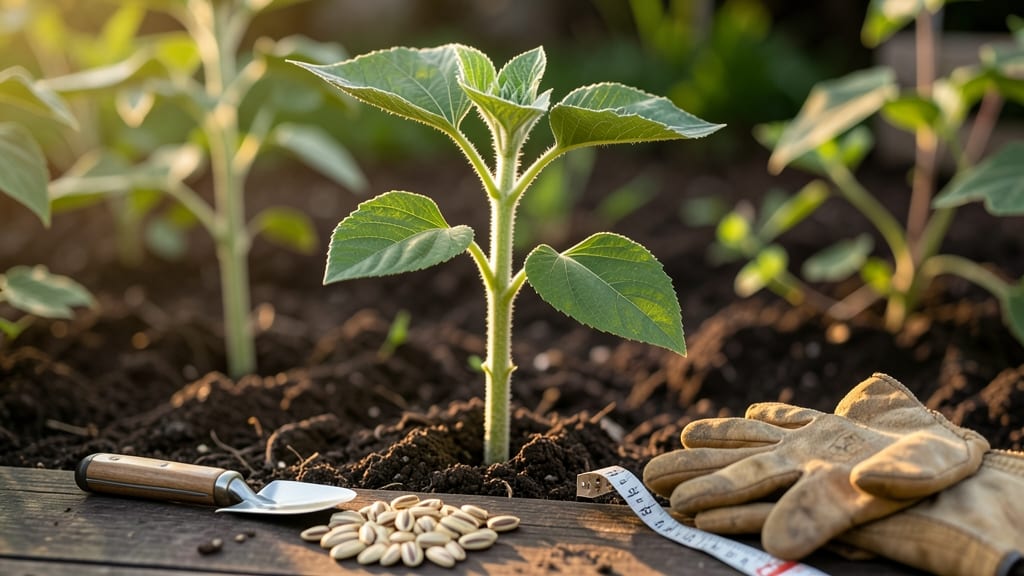
To plant sunflower seeds outside, wait until after the last frost date in your zone — typically mid-April to early June for most gardeners.
Sunflowers aren’t just beautiful—they’re easy to grow, drought-tolerant, and perfect for attracting pollinators. But timing your outdoor planting right ensures tall, vibrant blooms instead of stunted plants.
In USDA Zone 6a, where frost lingers until around April 15, you’ll want to hold off until soil temperatures warm to at least 50°F. Planting too early risks frost damage, while waiting too long may shorten the growing season before harvest in late summer.
Below, I’ll break down the exact frost-free dates by zone, soil prep tips, and how to adjust planting times for early or late starts—so you can grow sunflowers that reach their full potential.
Best planting dates for sunflowers by US hardiness zone
Sunflowers thrive when planted at the right time, but their ideal planting window varies dramatically across the U.S. USDA Hardiness Zones 3-8 experience different frost patterns, soil warming speeds, and growing seasons. Planting too early risks frost damage, while starting too late may result in bolting (premature flowering) before harvest.
Let’s break down the perfect timing for each zone to ensure your sunflowers reach their full 6-16 foot potential.
First, always check your last frost date—this is your starting point. Sunflower seeds need soil temperatures above 55°F (13°C) to germinate properly. In cooler zones like 3-4, you’ll need to wait longer for the ground to warm, while zones 7-8 can plant earlier.
Below, I’ve mapped out the ideal planting windows and harvest projections for each zone, plus adjustments for early or late frosts.
Pro Tip: Use a soil thermometer to confirm temperatures before planting. If your soil is still cold, wait another week—patience prevents poor germination.
In Zones 3-4, where frost lingers late, focus on late May to early June planting. These regions have the shortest growing season, so prioritize fast-maturing varieties like 'Autumn Beauty' (55-65 days to harvest).
If you’re eager to start earlier, use a cold frame or row cover to protect seedlings until soil warms.
For Zones 5-6, the sweet spot is late April to early May. This gives sunflowers enough time to grow 6-12 feet tall before the first frost in October. In Zone 6, where I garden, I’ve found that planting in early May yields the tallest stems.
If you’re in a cooler microclimate within these zones, err on the later side to avoid frost damage.
Zone 7 gardeners have the most flexibility, with planting windows stretching from mid-March to early April. This early start allows for giant varieties like 'Russian Giant' to reach their full 12-16 foot height. However, if you plant too early and face a late frost, use frost cloth to shield young seedlings until they’re at least 4 inches tall.
In Zone 8, where winters are mild, you can plant as early as late February for a June harvest or push it to early April for a fall crop.
This zone is perfect for experimenting with succession planting: sow seeds every 2-3 weeks to enjoy sunflowers from summer through early autumn. Just be mindful of bolting—if days get too long, your sunflowers may flower prematurely.
If your area experiences unpredictable frosts, adjust your planting timeline by monitoring your local
How to extend your sunflower growing season for earlier or later planting
Want to grow sunflowers outside the traditional planting window? With the right techniques, you can push your sunflower season earlier by 2-4 weeks or later into summer without risking frost damage or stunted growth.
The key is understanding how to protect young plants and choose the right varieties for your extended timeline.
For earlier planting, focus on protecting seeds from cold soil and young seedlings from late frosts. For later planting, select fast-maturing varieties and use shade protection during heatwaves. Both approaches require careful planning to avoid bolting (premature flowering) or frost damage.
- 1 Start seeds indoors 2-3 weeks before last frost in biodegradable pots. Use a heat mat to maintain 70°F soil temps for faster germination.
- 2 Use cold frames or row covers for outdoor planting 2-3 weeks before your zone's last frost date. These protect seedlings from 32°F temps and extend the growing window.
- 3 Plant succession batches every 2 weeks in late spring/early summer for continuous blooms. Choose 50-60 day varieties like 'Teddy Bear' for reliable late-season harvests.
- 4 Provide afternoon shade cloth (30-50%) for late plantings in hot zones. This prevents bolting from heat stress while maintaining 6-8 hours of morning sun.
- 5 Water deeply at soil level (not overhead) to prevent fungal diseases in crowded early plantings. Use mulch to retain moisture and regulate soil temps.
For earlier plantings, I recommend starting with dwarf varieties like 'Moulin Rouge' (36-54 inches) which mature faster than giant types. These handle cooler soil better and still produce edible seeds in 60-70 days.
In Zone 5 or colder, combine row covers with black plastic mulch to warm the soil 5-10°F faster.
When extending your season later into summer, prioritize heat-tolerant varieties such as 'Autumn Beauty' or 'ProCut Hybrid'. These handle 90°F+ temps better and continue flowering until first frost. Pair them with drip irrigation to deliver water directly to roots, reducing stress during heatwaves.
Remember that sunflowers are day-length sensitive—longer daylight hours trigger faster growth. In northern regions, this means earlier planting works better, while southern gardeners can push later plantings successfully. Always monitor your local frost dates and adjust your timeline accordingly.
With these techniques, you can enjoy sunflowers from late spring to early fall, creating a stunning vertical display that attracts pollinators and adds height to your garden. The key is patience—slow, steady growth yields the tallest, healthiest stems.