
Picking
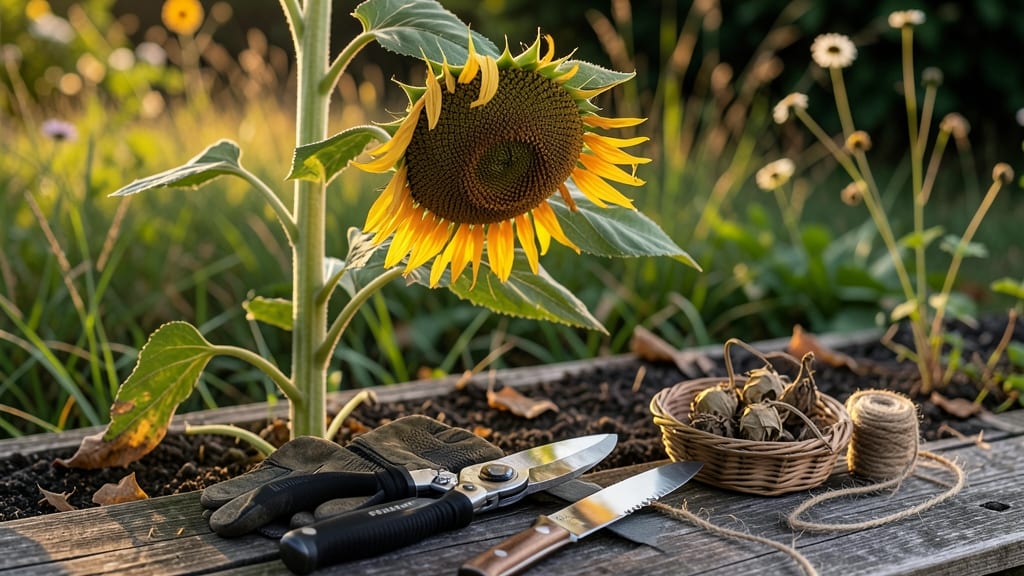
Sunflower seeds are ready to harvest when the back of the head turns yellow-brown and the seeds rattle loudly when shaken 🌻 — a window that lasts only a few weeks in late summer.
Miss it, and your hard work could end up as a bird buffet or shriveled scraps. I’ve seen 6-foot sunflowers go from perfect to ruined in a week because I waited too long.
Below, I’ll show you the three key signs to spot ripe seeds, how to test them without damaging the plant, and the best time of day to pick for maximum seed quality.
Whether you’re saving seeds for next year or just want to enjoy the harvest, timing is everything — and these tips will help you get it right every time.
3 Visual signs sunflower seeds are perfectly ripe for harvesting
Harvesting sunflower seeds at the right time ensures you get plump, viable seeds for next season's garden. Miss this window, and you'll either end up with underdeveloped seeds or lose them to birds and pests.
The key lies in observing three visual cues that indicate perfect ripeness: petal changes, seed color, and head firmness.
First, watch for the petals' natural decline. When sunflowers reach maturity, their vibrant petals begin to wilt and fall away on their own. This is nature's way of signaling that the seeds inside are nearing readiness. Don't mistake this for disease—healthy sunflowers simply shed their petals as they mature.
The second critical sign appears on the back of the seed head. Look for a yellow-brown color that replaces the green hues. This color change indicates the seeds have fully developed and are drying out internally. Green backs mean unripe seeds, while fully brown backs signal readiness.
Here's a quick reference to help you spot these signs at a glance:
| Sign | Description | What to Do |
|---|---|---|
| Petal Condition | Petals wilt and fall away naturally | Check daily once petals begin yellowing |
| Seed Head Color | Back turns fully yellow-brown | Inspect back of head for color change |
| Head Firmness | Dry and papery with no moisture | Gently squeeze to test for dryness |
| Seed Sound | Seeds rattle when shaken | Shake head over a bucket to test |
Many gardeners make the mistake of harvesting too early when the seed heads still feel moist or when only some petals have fallen. Premature harvesting results in seeds that won't germinate properly.
Conversely, waiting too long can lead to seed shattering, where seeds fall to the ground before you can collect them.
A third tell-tale sign is the seed head's texture. When ripe, the head should feel dry and papery to the touch. Gently run your fingers over the seed head—if it feels slightly rough but not damp, it's ready. Moisture indicates the seeds need more time to mature.
Don't rely on a single sign—combine all three cues for the most accurate assessment. For example, you might see petals falling but still have a green back. In this case, wait a few more days before harvesting. Consistency across all signs guarantees you're picking at peak ripeness.
Timing matters too. In most USDA zones 6-9, sunflower seeds typically reach harvest readiness between late July and early September. However, regional climate variations can shift this window by a few weeks. Always monitor your plants closely rather than relying on a calendar.
One common mistake is assuming all sunflower heads on a single plant will ripen simultaneously. Different stems may mature at different rates, so check each head individually. Harvest the earliest-ripening heads first to avoid missing the window on the rest.
Once you spot all three signs—fallen petals, yellow-brown backs, and dry papery heads—you're ready to harvest. The next step is to gently cut the seed head and prepare it for drying.
But first, give your seeds one final check by listening for that telltale rattle when you shake the head.
How to test sunflower seed maturity: the squeeze and tap method
Harvesting sunflower seeds at the perfect moment ensures high-quality seeds for next year's garden. The squeeze and tap method gives you a foolproof way to test maturity without guessing. I’ve used these simple tricks for years, and they’ve saved me from harvesting too early or too late.
Start by examining the back of the seed head. When seeds are ready, this area turns a dull yellow-brown, almost papery in texture. If it’s still green, your seeds need more time. This visual cue alone can prevent many common mistakes gardeners make when harvesting.
- 1 Squeeze Test: Gently squeeze the seed head. If it feels firm but slightly hollow with a dry, papery texture, seeds are ready. A soft or spongy head means they’re not mature yet.
- 2 Tap Test: Hold the seed head over a bowl and tap it gently with your knuckles. If seeds rattle loudly and fall easily, they’re ready. A dull thud means they need more time to dry on the plant.
- 3 Check Seed Color: Open the seed head and inspect a few seeds. Mature seeds should be plump and dark-colored (black, gray, or striped). Pale or shriveled seeds aren’t ready for harvest.
- 4 Troubleshoot Inconsistent Ripening: If some seeds are ready but others aren’t, cover the entire head with a breathable fabric (like cheesecloth) to protect them from birds and speed up drying. Check again in 3-5 days.
If your sunflower heads are unevenly ripening, don’t harvest the whole head at once. Instead, wait until the majority of seeds pass these tests. I once harvested a head too early because I missed the tap test, and the seeds sprouted poorly the next season—lesson learned!
Once you’ve confirmed maturity, cut the seed head with 2-3 inches of stem attached. Hang it upside down in a dry, well-ventilated spot (like a garage or shed) to dry completely. This step ensures your seeds stay viable for planting next year.
Pro tip: Harvest on a dry, sunny morning to reduce humidity and speed up drying. Avoid harvesting after rain, as moisture can cause mold or rot in your seeds.