
Companion Plants
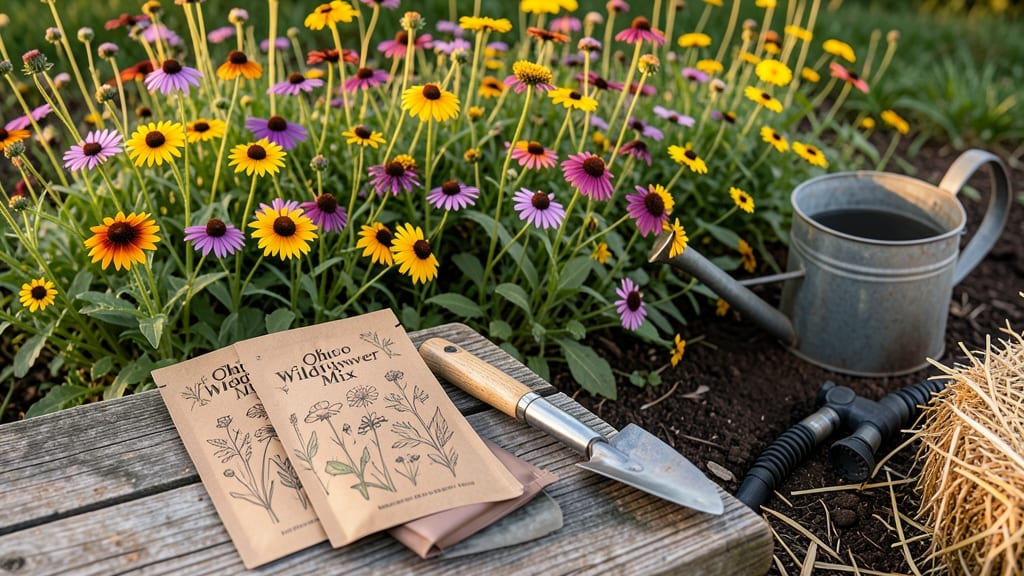
You can plant wildflower seeds in Ohio during spring (March–May) or late summer (August–September) for the fastest blooms and strongest root growth.
Ohio’s diverse microclimates—from the humid Lake Erie shores to the drier Appalachian foothills—mean your wildflower seeds could thrive in early spring or late fall. Plant too early, and frost will kill them; too late, and weeds will steal the show.
Timing matters because Ohio’s USDA Zone 6a climate demands precision: spring planting (after the last frost, around April 15) gives you vibrant summer blooms, while fall planting (August–September) ensures early spring flowers.
Below, I’ll break down the exact months for each Ohio region, plus pro tips to ensure your wildflowers bloom faster and outcompete weeds—no guesswork, just results.
Ohio wildflower planting calendar by Zone: best months for each microclimate
Ohio’s 10 USDA hardiness zones create wildly different planting conditions—from the cool, wet springs of Zone 4 near Toledo to the hotter, drier summers of Zone 6 in Columbus. Each zone has its own ideal planting window, frost-free dates, and native wildflowers that thrive best.
Get the timing wrong, and you’ll either lose seeds to frost or watch weeds outcompete your blooms.
Native wildflowers like black-eyed Susans and purple coneflowers are tough enough to handle Ohio’s unpredictable weather, but they still need the right conditions. For urban gardens, aim for late summer planting to avoid weed pressure, while rural meadows can handle earlier spring sowing when soil warms faster.
Let’s break it down by zone so you can plant with confidence.
Pro Tip: Always check your local last frost date (typically April 15 in most zones) and soil temperature (aim for 50–60°F) before planting. Use a soil thermometer—cold soil delays germination.
In Zone 4 (northwest Ohio), where winters are harsh, focus on late August–September planting for fall blooms. Seeds like butterfly weed germinate best when soil temps hit 50°F, and early spring planting risks frost damage.
For urban gardens, use small seed trays to start seeds indoors in March, then transplant after the last frost.
Zone 6 (central Ohio) offers the most flexibility—you can plant as early as March or as late as October, but aim for late August to avoid weed competition. Wild bergamot thrives here and attracts hummingbirds.
For rural meadows, mix seeds with clover to improve soil health and deter weeds naturally.
Southern Ohio’s Zone 7–8 regions have milder winters, making February–March planting ideal for early blooms. Brown-eyed Susans and passionflowers love the warmth and humidity. If you’re planting in partial shade (e.g., under trees), choose drought-tolerant species like coreopsis, which handle lower light better than sun-lovers.
Always prepare your soil by removing weeds and loosening the top 2–3 inches of soil. Add a thin layer of compost (1–2 inches) to improve drainage, especially in clay-heavy soils common in Zones 6–7.
After scattering seeds, gently press them into the soil—no need to bury deeply. Water lightly but frequently until germination (usually 7–21 days, depending on species).
For pollinator-friendly meadows, mix 5–10 wildflower species for continuous blooms from spring to fall. Avoid planting in full shade—most Ohio natives need at least 4–6 hours of sun. If your site has poor drainage, raise beds or plant on slopes to prevent waterlogging.
Remember: Fall
Spring vs. fall planting: which works better in Ohio and why?
Ohio’s unpredictable weather makes choosing the right planting season for wildflowers tricky. While both spring and fall work, each has distinct advantages—and pitfalls. Spring planting gives you earlier blooms, but fall offers better germination rates and fewer weeds.
Let’s break down which season wins for Ohio’s 10 climate zones and how to maximize success.
For spring planting (March–May), aim for soil temps above 40°F and last frost dates (typically mid-April in most zones). This gives seeds time to germinate before summer heat sets in. However, spring planting means battling early-season weeds and potential late frosts that can damage tender seedlings.
Fall planting (September–November) is often the sweet spot for Ohio wildflowers. Cooler temps reduce weed competition, and seeds germinate in spring’s mild conditions. Studies show fall-planted seeds have 20–30% higher survival rates than spring-planted ones, thanks to consistent moisture from autumn rains and winter snowmelt.
Spring Planting
- Earlier blooms (6–8 weeks sooner)
- Longer growing season for established plants
- Easier soil prep (no winter compaction)
- Weed competition peaks in spring
- Late frost risk (can kill seedlings)
- Drier soil in late spring
Fall Planting
- Higher germination rates (20–30% better)
- Fewer weeds in early spring
- Consistent moisture from rain/snowmelt
- Slower first-year blooms (wait until next year)
- Early fall planting may germinate too soon
- Soil compaction from winter foot traffic
Ohio’s variable rainfall plays a huge role. Spring planting in drier zones (e.g., Appalachian foothills) often fails without supplemental watering, while fall planting benefits from natural autumn rains. For Zone 5–6 (most of Ohio), aim to plant wildflower seeds by September 15 to avoid early germination.
If you’re in Zone 7–8 (southern Ohio), extend fall planting to early October. These areas have warmer soils longer, reducing frost risk. For spring planting, wait until after April 15 to dodge late frosts. Always test soil moisture—dry seeds won’t sprout, even in ideal temps.
Pro tip: Mix spring and fall plantings for continuous blooms. Plant early spring bloomers (e.g., blue flag iris) in fall and summer bloomers (e.g., black-eyed Susan) in spring. This extends your pollinator season from May to October.
🌼