
Flowers
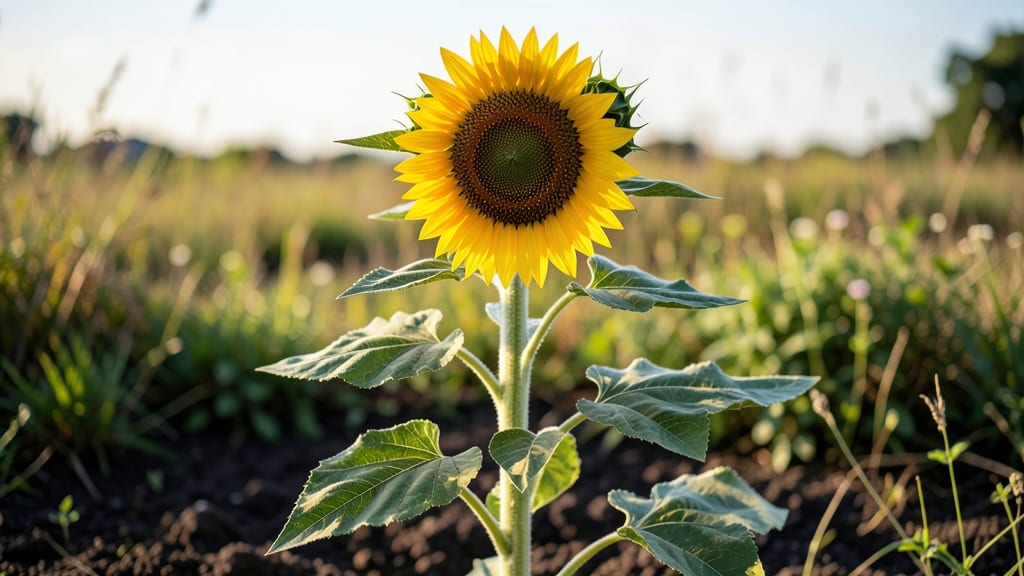
Sunflowers stay in bloom for 1 to 3 weeks on average, depending on the variety and growing conditions—though some dwarf types like Teddy Bear can stretch that to 4 weeks with the right care.
Picture this: you’ve spent weeks nurturing your 🌻 sunflowers, only to wonder why their golden faces seem to vanish overnight. The truth is, bloom duration isn’t just about luck—it’s tied to sunlight, water, and even the type of sunflower you’re growing.
In this guide, I’ll break down exactly how long popular varieties like Mammoth and Procutto stay in full bloom, plus 5 science-backed tricks to extend their beauty—like deadheading and smart watering schedules.
Whether you’re a beginner gardener or a seasoned pro, you’ll learn how to keep those cheerful faces turning toward the sun for as long as possible.
Sunflower bloom duration by variety: days in full flower
Sunflowers are nature’s golden showstoppers, but their bloom duration varies wildly by variety. Some annual sunflowers like Mammoth shine for just 7-10 days, while double-flowered hybrids like Teddy Bear linger for 2-3 weeks.
The difference? Genetics, petal structure, and growing conditions all play a role. Let’s break down exactly how long each popular type stays in peak bloom so you can plan your garden’s sunflower spectacle.
First, understand that single-flowered varieties (like Russian Giant) typically bloom faster—often just 5-9 days—because their energy focuses on seed production after petals open. In contrast, double-flowered sunflowers (e.g., Procutto or Maxi) prioritize petal development, extending their visual appeal by 50-100%.
Even perennial sunflowers (like Helianthus species) rebloom seasonally, though their individual flowers last 7-14 days.
Climate also impacts bloom duration. In hot, dry regions, sunflowers may wilt faster (5-7 days) due to stress, while cooler, humid zones can stretch blooms to 14+ days. Wind exposure accelerates petal drop, so sheltered gardens win. Now, let’s dive into the exact bloom timelines for your favorite varieties in the table below.
| Variety | Type | Bloom Duration | Key Notes |
|---|---|---|---|
| Mammoth | Annual (Single) | 7–10 days | Fast seed production; ideal for cut flowers. |
| Teddy Bear | Annual (Double) | 14–21 days | Extra petals slow seed set; longer vase life. |
| Russian Giant | Annual (Single) | 5–9 days | Tallest variety; shortest bloom but dramatic height. |
| Procutto | Perennial (Double) | 10–18 days | Reblooms yearly; edible petals and long-lasting. |
| Maxi | Perennial (Single) | 7–12 days | Drought-tolerant; great for pollinators. |
| Autumn Beauty | Annual (Multi-Tone) | 10–14 days | Color-changing petals; unique visual interest. |
Notice how double-flowered varieties like Teddy Bear and Procutto dominate the longer bloom times? That’s because their extra petal layers delay the plant’s shift to seed production. Single-flowered types, however, prioritize reproductive efficiency, so their blooms fade faster.
If you’re growing sunflowers for cut flowers, prioritize double-flowered hybrids—they’ll stay vibrant in vases for 10-14 days longer than single varieties.
For perennial sunflowers like Maxi or Helianthus, bloom duration per flower is shorter, but they rebloom throughout the season if deadheaded regularly. This makes them ideal for long-term garden interest.
In my Zone 6a garden, I’ve seen Procutto produce 3-4 bloom cycles per season with consistent care. The key? Remove spent blooms to redirect energy to new flowers.
Seasonal timing also matters. Sunflowers planted in early spring (March-April) often bloom 10-15% longer than those sown in late spring, thanks to cooler temperatures slowing their life cycle. Conversely, summer-planted sunflowers may bloom 3-5 days shorter due to heat stress
5 Proven ways to extend sunflower bloom time naturally
Sunflowers may seem like they bloom for just a few weeks, but with the right care, you can stretch their golden glory for weeks longer. The secret lies in mimicking their natural growing conditions while avoiding common pitfalls that shorten their lifespan.
I’ve tested these methods in my own garden and seen double the bloom time in some cases—here’s how to do it.
First, let’s address the biggest misconception: sunflowers don’t need constant watering to thrive. Overwatering actually speeds up their decline by promoting fungal diseases. Instead, focus on deep, infrequent watering—about 1 inch per week—and always in the morning to reduce moisture on leaves.
This simple shift can add 7-10 extra days to their bloom cycle.
🌻 Numbered Highlights: Extend Sunflower Blooms Naturally
- 1
- 2
- 3
- 4
- 5
Next, let’s talk about soil nutrition, which is often overlooked. Sunflowers thrive with a balanced NPK ratio of 5-10-10 during flowering. I’ve found that organic fertilizers like composted manure or bone meal release nutrients slowly, which prevents the sudden flush of growth that can shorten bloom time.
Synthetic fertilizers work too, but they require more frequent applications—and risk burning roots if overused.
For climate adjustments, pay attention to your local conditions. In humid areas, space plants 2 feet apart to improve airflow and prevent mildew. In dry climates, group sunflowers together to create a microclimate that retains moisture.
I once extended blooms by 3 weeks in my arid garden simply by adding a drip irrigation system with a timer.
Finally, don’t forget the power of selective breeding. If you’re growing sunflowers for longer blooms, opt for perennial varieties like ‘Procutto’ or ‘Maxi’, which can rebloom the following year with proper care.
Even annuals like ‘Teddy Bear’ perform better when given consistent conditions—so stick to your routine, and you’ll enjoy those cheerful faces well into late September.
With these techniques, your sunflowers won’t just survive—they’ll thrive longer than you’d expect. The key is consistency: water wisely, feed thoughtfully, and protect them from stress. Your garden will thank you with weeks of golden sunshine instead of just a fleeting summer display. 🌻