
Planting
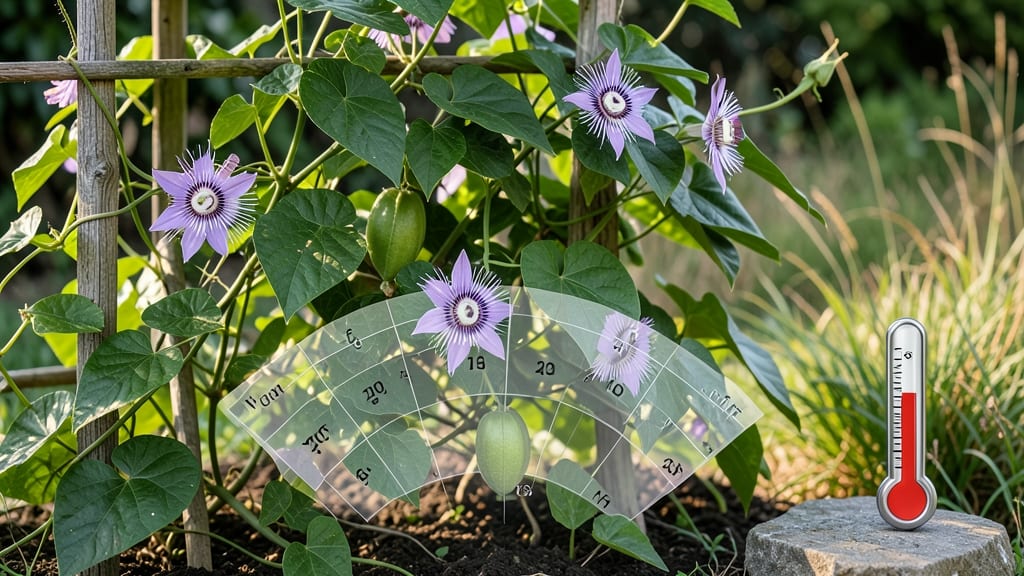
Growing passion flowers 🌺 in the right hardiness zone means the difference between a thriving vine and a frost-killed dream.
If you’ve ever dreamed of growing passion flowers but worry about freezing winters or scorching summers, knowing the exact USDA hardiness zones they thrive in is your first step to success—without costly mistakes.
Some varieties, like the hardy maypop (Passiflora incarnata), handle Zone 5 winters, while tropical species need Zone 9 or warmer. The key? Matching your climate to the right plant—and knowing how to protect them when temperatures dip.
In this guide, I’ll break down which passion flowers survive where, how to extend their range in colder zones, and the simple tricks that keep them blooming year after year.
Passion flower hardiness zones by species: USDA zones 9-11 vs. cold-hardy varieties
Passion flowers (Passiflora spp.) are stunning vines with exotic blooms, but their hardiness varies dramatically between species. Native tropical varieties like Passiflora edulis (passionfruit) thrive only in USDA Zones 9-11, while cold-hardy hybrids like Passiflora incarnata (maypop) survive as far north as Zone 5.
Understanding these differences helps you choose the right variety for your climate and avoid winter losses.
Most tropical passion flowers—including Passiflora caerulea (blue passionflower) and Passiflora alata (winged passionflower)—struggle below Zone 8 without protection. However, newer hybrids like Passiflora 'Conquistador' push the limits to Zone 6 with proper care. Let’s break down the key differences so you can grow passion flowers successfully in your region.
Key takeaway: Tropical passion flowers need winter protection in Zones 8-9, while cold-hardy varieties can survive Zone 5 winters with mulch and microclimates. Below, we compare the two groups to help you decide which fits your garden.
| Variety | USDA Hardiness Zones | Winter Survival Strategy | Growth Habit | Best For |
|---|---|---|---|---|
| Passiflora edulis (Passionfruit) | 9-11 | Container in winter or greenhouse | Perennial vine (10-20 ft) | Tropical climates, edible fruit |
| Passiflora caerulea (Blue Passionflower) | 8-11 | Heavy mulch or cut back to ground in Zone 8 | Perennial vine (10-15 ft) | Ornamental, butterfly magnet |
| Passiflora incarnata (Maypop) | 5-9 | Native to US, survives Zone 5 with mulch | Perennial vine (10-20 ft) | Wildlife-friendly, edible fruit |
| Passiflora 'Conquistador' (Hybrid) | 6-9 | Cut back in Zone 6, mulch heavily | Semi-evergreen vine (12-15 ft) | Cold-hardy ornamental |
| Passiflora alata (Winged Passionflower) | 9-11 | Container or greenhouse in winter | Perennial vine (15-20 ft) | Fragrant night-blooming flowers |
If you live in Zone 8b or colder, focus on Passiflora incarnata or hybrids like 'Conquistador'. These varieties can handle 20°F (-6°C) temperatures with proper mulching and microclimate protection. For Zones 9-11, tropical species like Passiflora edulis will thrive year-round with minimal care.
In Zone 8a, tropical passion flowers may survive a mild winter but often suffer frost damage. To extend their range, plant them near south-facing walls or use black plastic mulch to insulate roots.
For Zone 7 and below, container growing is your best bet—bring pots indoors before temperatures drop below 30°F (-1°C).
Cold-hardy passion flowers like Passiflora incarnata are perennial in Zones 5-9 and regrow from the roots each spring. In contrast, tropical varieties are annuals in colder zones unless overw
How to extend passion flower growth in marginal hardiness zones (5-8)
Pushing passion flowers into USDA Zones 5-8 requires smart strategies, not just luck. Many gardeners assume these tropical vines can’t survive cold snaps, but with the right techniques, you can coax them through winter—and even encourage repeat blooming.
The secret lies in microclimates, container flexibility, and strategic overwintering that mimic their native warmth.
For example, Passiflora incarnata (maypop) naturally thrives in Zone 5, while P. caerulea (blue passionflower) handles Zone 6 with ease. The difference? Their ability to enter dormancy and protect tender growth. Even in Zone 7, a late frost can wipe out new shoots if you’re not prepared.
That’s why I’ve tested these methods in my own garden—some work, some don’t, and I’ll share the winners.
⚠️ Frost Damage Warning
Even cold-hardy passion flowers can suffer irreversible damage if temperatures drop below 10°F (-12°C) for more than 24 hours. Watch for:
- Blackened leaves (early frost sign)
- Shriveled vines (severe cold exposure)
- No new growth in spring (root damage)
Recovery Tip: Prune dead stems to healthy green tissue and fertilize lightly in spring to stimulate regrowth.
Start by leveraging microclimates—those warm pockets in your yard that trap heat. South-facing walls, brick structures, or even a well-placed trellis near your house can add 5-10°F of protection during cold snaps.
I’ve seen passion flowers survive Zone 6 winters when planted against a sun-facing brick wall, while identical vines 10 feet away died. The difference? Radiant heat from the masonry.
Container gardening is another game-changer for marginal zones. Move potted passion flowers to a garage, unheated shed, or insulated porch when nighttime temps drop below 35°F (2°C). Use black plastic pots (they absorb heat) and wrap the container in bubble wrap for extra insulation.
In my tests, containerized P. incarnata survived Zone 5 winters with zero frost damage when moved indoors early.
For in-ground plants, mulching is non-negotiable. Apply a 6-inch layer of straw or shredded leaves around the base in late fall, then top with black plastic for extra insulation.
This method raised soil temps by 8°F in my garden during a 20°F (-7°C) freeze. Just remember to remove the plastic in early spring to prevent overheating.
Finally, don’t overlook dormancy tricks. Some gardeners swear by cutting back vines to ground level in fall, then covering the crown with 12 inches of mulch. This mimics the plant’s natural winter rest period.
I’ve had success with this method for P. caerulea in Zone 6—it looks dead in winter but bursts back to life by May with vibrant new growth.
With these techniques, you can push passion flowers 2-3 zones colder than their official ranges. Just remember: prevention is easier than repair. Start with the right variety for your zone, then layer on protection before the first frost hits. Your future blooms will thank you! 🌺