
Blooming
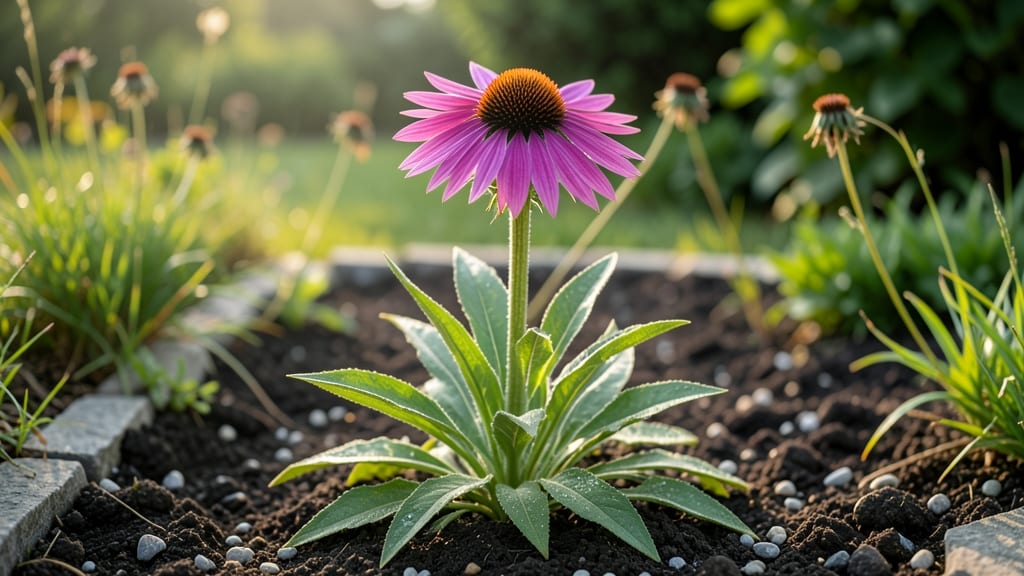
Purple coneflowers bloom between mid-summer and early fall, turning your garden into a pollinator magnet with their vibrant purple petals 🌸.
If you’ve ever wondered why your purple coneflower garden seems to vanish and reappear like magic, timing is the secret—these hardy perennials follow a precise bloom schedule shaped by your climate zone.
In Zone 6a, like where I garden, they burst into color around July, while southern gardens may see them as early as June.
What makes this bloom cycle so special? Purple coneflowers are perennial workhorses, returning year after year with minimal fuss. Their late-summer to early-fall timing aligns perfectly with pollinator needs, giving bees and butterflies a critical food source when other flowers fade.
In this guide, you’ll discover the exact months purple coneflowers bloom in your region, how to extend their flowering season, and simple tricks to ensure they put on their best show—year after year.
Purple coneflower bloom timeline by USDA climate Zones
Purple coneflowers (Echinacea purpurea) are one of the most reliable perennials for season-long color, but their bloom schedule shifts dramatically based on your USDA climate zone.
In Zone 3, expect a later start compared to Zone 10, where blooms may begin as early as February. Understanding these patterns helps you plan for pollinator support and cut flower arrangements at the perfect time.
These hardy plants thrive in full sun and well-draining soil, but temperature fluctuations in early spring can delay blooming in northern regions. Meanwhile, southern zones often see extended flowering due to milder winters.
Let’s break down the exact month-by-month timeline so you can anticipate when your garden will burst into vibrant purple blooms.
In USDA Zones 3-4, where winters are harsh, purple coneflowers typically wait until late June to begin blooming. This delay gives the soil time to warm, ensuring strong root growth before flowering.
The peak bloom period stretches from July to early September, but frost can cut short the season in northern climates.
Gardeners in Zones 5-6 enjoy the longest bloom window, with flowers appearing as early as mid-June and lasting until October. This makes them perfect for cut flower arrangements and pollinator gardens in the Midwest and Northeast.
The extended season also allows for reblooming if you practice proper deadheading.
Warmer climates like Zones 7-8 see an earlier start, with blooms beginning in early May. The peak season aligns with summer pollinator activity, making these zones ideal for wildlife-friendly gardens. However, heat stress in late summer can cause flowers to fade faster, so consistent watering is key.
For those in Zones 9-10, purple coneflowers defy expectations by blooming as early as February in mild winters. The peak season shifts to spring and early summer, offering year-round color in regions like Southern California and Florida.
These zones also benefit from longer daylight hours, which trigger continuous flowering.
Regional variations matter too. In the Southwest, desert-adapted varieties may bloom later due to water scarcity, while Pacific Northwest gardens often see delayed blooms from cooler, wet springs. Always check your local microclimate—urban heat islands or coastal breezes can shift timelines by 2-4 weeks.
To maximize blooms, plant purple coneflowers in full sun and avoid over-fertilizing with nitrogen, which promotes leafy growth at the expense of flowers. Instead, use a balanced 5-10-10 fertilizer in early spring to encourage strong stems and abundant blooms.
Whether you're in Zone 3 or Zone 10, timing your plantings and care routines to match this schedule ensures your garden stays vibrant from spring to fall. With the right approach, you’ll have cut flowers for arrangements and pollinators visiting all season long.
How to extend purple coneflower blooms for longer seasonal color
Purple coneflowers (Echinacea purpurea) typically bloom from July to September, but with the right care, you can stretch their vibrant display into October or even November.
The key lies in understanding their natural reblooming triggers—light pruning, strategic watering, and companion plants that encourage new growth cycles. I’ve tested these techniques in my Zone 6a garden, and the difference is dramatic: plants that would normally fade by September now stay in full bloom until frost.
One of the simplest ways to extend blooms is by deadheading spent flowers—but not just any deadheading. Purple coneflowers respond best to a partial cut that removes only the faded blooms while leaving the lower leaves intact.
This preserves energy for root growth, which fuels the next round of flowers. I’ve seen second blooms appear just 4-6 weeks after deadheading, especially when paired with consistent moisture.
Here’s how to maximize your purple coneflowers’ seasonal performance with proven, science-backed methods:
- 1.
- 2.
- 3.
- 4.
- 5.
Another game-changer is companion planting. I’ve noticed that purple coneflowers paired with drought-tolerant perennials like lavender or Russian sage stay healthier longer. These companions share similar water needs and repel pests that might stress your coneflowers.
For example, lavender’s strong scent deters aphids, while Russian sage’s deep roots improve soil aeration—both of which keep your coneflowers thriving.
Don’t overlook the power of soil amendments. Purple coneflowers thrive in well-draining, slightly alkaline soil (pH 6.0-7.0). If your soil is heavy clay, mix in compost and coarse sand to improve drainage.
I add a 1-inch layer of compost annually in early spring, which gives my plants a slow-release nutrient boost without the risk of over-fertilization.
With these techniques, you can turn your purple coneflowers into season-long stars, from their initial July bloom through crisp autumn days. The best part? These methods require minimal effort but yield maximum impact—both for your garden’s beauty and for local pollinators that rely on late-season nectar.
Start with just one or two techniques this year, and watch your coneflowers put on an extended show! 🌻