
Plants
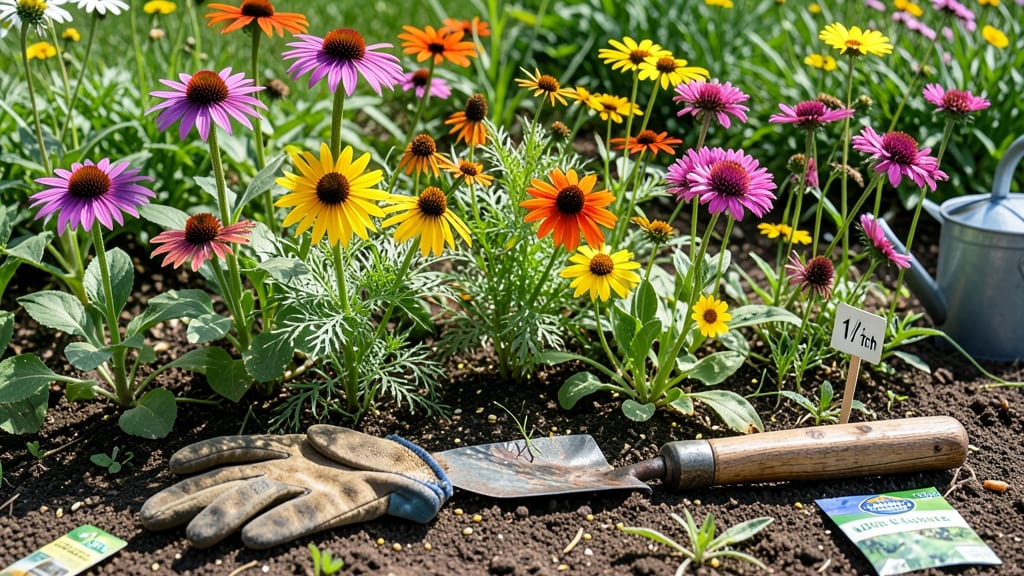
Planting wildflower seeds in Ohio at the right time ensures vibrant blooms from spring to fall, attracting pollinators and transforming your landscape with minimal effort.
Ohio’s diverse climate zones mean wildflower seeds planted at the wrong time could struggle to thrive—or even fail to sprout. But timing it right guarantees best results, whether you’re sowing in early spring or fall.
For Ohio gardeners in USDA Zone 6a, the ideal window is early spring (March–April) or fall (September–October). These months align with soil temperatures and moisture levels that encourage strong germination.
Below, I’ll break down the exact months by zone, soil prep tips, and post-planting care to help your 🌼 wildflowers flourish year after year.
Ohio wildflower planting calendar by USDA hardiness zones (5b, 6a, 6b)
Ohio’s three USDA hardiness zones—5b, 6a, and 6b—create subtle but critical differences in wildflower planting success. In Zone 5b, colder winters mean earlier spring planting, while Zone 6b offers a slightly extended growing season.
Understanding these frost date variations ensures your seeds germinate at the perfect time, not too early (risking frost damage) or too late (missing peak bloom windows).
For all zones, early spring (March–April) and fall (September–October) are the golden windows for planting. Spring sowing lets seeds establish before summer heat, while fall planting takes advantage of cool soil temperatures and winter moisture. Annual wildflowers thrive with spring planting, while perennials often benefit from both seasons.
Let’s break down the exact monthly timing for each zone.
| Zone & Time | Best Planting Months | Frost Considerations | Seed Type |
|---|---|---|---|
| Zone 5b (Colder) | March 15–April 15 (Spring) September 1–October 1 (Fall) |
Last frost: April 20 First frost: October 10 |
Perennials (e.g., Black-Eyed Susan, Coneflower) |
| Zone 6a (Moderate) | March 1–April 30 (Spring) September 15–October 15 (Fall) |
Last frost: April 10 First frost: October 20 |
Annuals (e.g., Cosmos, Sunflower) Perennials (e.g., Bee Balm) |
| Zone 6b (Warmer) | February 28–May 1 (Spring) September 1–November 1 (Fall) |
Last frost: March 25 First frost: October 30 |
Annuals (e.g., Zinnia, Marigold) Perennials (e.g., Purple Coneflower) |
| All Zones (Summer) | June 1–July 15 (Annuals only) | Avoid planting after July 15—seeds need 6–8 weeks to establish before frost. | Annuals (e.g., Lupine, Coreopsis) |
In Zone 5b, where winters are colder, I recommend planting perennial wildflowers like Black-Eyed Susans and Coneflowers in early spring (March 15–April 15) to give them time to establish roots before summer heat.
Fall planting in Zone 5b should wrap up by October 1 to avoid early frosts. These hardy perennials will reward you with years of blooms and pollinator support.
Gardeners in Zone 6a enjoy a slightly longer growing season, making it ideal for both annuals and perennials. Spring planting can extend into late April, and fall sowing benefits from cooler soil until mid-October.
For annual wildflowers like Cosmos or Sunflowers, I suggest planting in late spring (May) to avoid bolting in summer’s heat. Perennials like Bee Balm thrive with fall planting for early spring blooms.
Zone 6b gardeners have the most flexibility, with earlier last frost dates and later first frosts. This zone is perfect for summer annuals like Zinnias or Marigolds, which can be sown as late as early July for fall blooms. For perennials, I recommend fall planting in September to take advantage of winter moisture and spring emergence. Even late fall planting (November) can work if the ground isn’t frozen.
Summer planting in Ohio is risky but possible for annual wildflowers only. Sow seeds between June 1 and July 15 for late-summer to fall blooms. Choose heat-tolerant varieties like Lupine or Coreopsis, and keep soil consistently moist until germination.
Avoid planting after mid-July, as seeds won’t have enough time to establish before frost.
No matter the zone, soil preparation is key to success. Loosen the top 2–3 inches of soil, remove weeds, and lightly rake to create a fine seedbed. Wildflower seeds are tiny and light, so scattering them evenly and pressing them into the soil (but not burying deeply
Best wildflower seed types for Ohio’s seasonal planting success
Ohio’s diverse climate zones (5b, 6a, 6b) offer perfect conditions for native wildflowers that thrive with minimal care. Choosing the right seed types ensures vibrant blooms from spring through fall while supporting local pollinators like bees and butterflies.
For Zone 6b (southern Ohio), Black-Eyed Susan and Coneflower are top picks—they bloom reliably and attract wildlife. In Zone 5b (northwest Ohio), Purple Coneflower and Butterfly Weed handle cooler temps better, while drought-tolerant varieties like Wild Bergamot thrive in Zone 6a.
Timing matters most: Spring planting (March–April) gives seeds time to establish before summer heat, while fall planting (September–October) leverages Ohio’s mild autumns for strong root growth before winter. Below, I’ll highlight the best wildflower seeds for each zone and their ideal planting windows.
Plant in March–April or September for summer blooms. Thrives in full sun and drought conditions.
Sow April–May or September–October. Native to Ohio and drought-resistant once established.
Best planted April–June or September. Loves well-draining soil and attracts monarchs.
Plant March–April for late summer blooms. Thrives in poor soil and dry conditions.
Sow April–May or September. Sun-loving and low-maintenance for borders.
When selecting seeds, prioritize native Ohio varieties like those listed above—they’re adapted to local soil conditions and climate variations, requiring less water and care. For drought-prone areas, mix in Wild Bergamot or Prairie Blazing Star, both of which store water efficiently in their deep roots.
After planting, keep soil lightly moist (not soggy) for the first 4–6 weeks. Once established, most of these perennial wildflowers need only occasional watering. Mulch lightly with straw or leaves to retain moisture and suppress weeds without smothering seedlings.
By choosing the right wildflower seeds for your Ohio zone and planting at the optimal time, you’ll enjoy colorful blooms from early summer through fall—with minimal effort and maximum impact for pollinators! 🌼