
Flowers
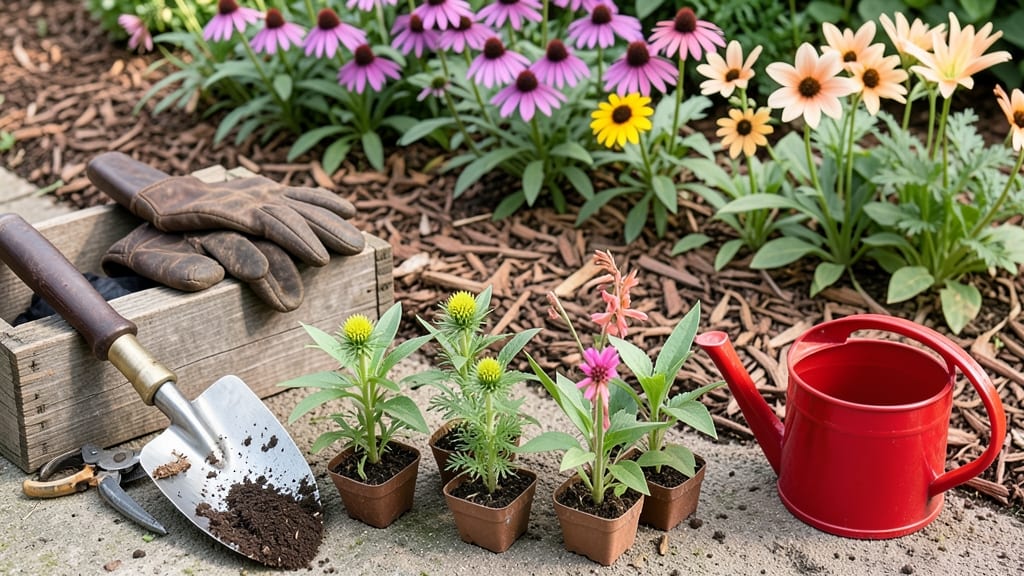
The Zone 6 planting schedule for flowers is your roadmap to a garden bursting with color—if you time it right. Picture this: you’ve just tucked in your tulip bulbs in early spring, only to watch them blacken under a surprise frost.
Or worse, your annual marigolds bolt to seed because you planted them too late.
Zone 6’s 165 frost-free days and shifting microclimates mean the difference between a thriving garden and a season of missed blooms. This schedule cuts through the guesswork, giving you the exact months to plant 30+ varieties, from hardy crocus in March to heat-loving dahlias by June.
You’ll learn when to start seeds indoors (hint: February for slow growers), when to transplant delicate petunias after your April 15 last-frost date, and how to stretch your season with fall-planted pansies that brave October’s chill.
No more second-guessing—just a clear, month-by-month plan for perennials, annuals, and bulbs that actually thrives in your zone. Let’s get those 🌸 blooms on schedule.

Zone 6 flower planting calendar by season: when to start seeds vs. transplanting
Timing is everything in Zone 6 gardening. Plant too early, and frost will nip tender seedlings. Wait too long, and you’ll miss peak blooms.
This calendar breaks down month-by-month actions for cool-season vs. warm-season flowers, including seed-starting windows and transplanting dates tailored to your zone’s 165 frost-free days. Whether you’re growing annuals, perennials, or bulbs, these guidelines ensure vibrant color from spring to fall.
Zone 6 spans 6a (0°F to -10°F) and 6b (-10°F to -5°F), with last frost dates around April 15 and first frost near October 15. Adjust for local microclimates—valleys stay colder longer, while south-facing slopes warm up faster.
Use row covers or cold frames to extend seasons for frost-sensitive varieties like marigolds or cosmos.
🌱 Pro Tip: Start cool-season flowers (e.g., pansies, snapdragons) indoors 8–10 weeks before last frost (February). For warm-season flowers (e.g., petunias, geraniums), begin seeds indoors 6–8 weeks before transplanting (March–April). Outdoor sowing for heat-lovers like sunflowers waits until after May 15.
For cool-season flowers, prioritize February–March actions. Start pansies and sweet peas indoors in early February to bloom by spring. Transplant hardened-off seedlings outdoors in April, once soil temps hit 45°F. Mulch heavily to protect roots from late frosts—even hardy varieties like foxglove benefit from insulation.
Warm-season flowers demand patience. Indoor seed-starting begins in March for petunias and geraniums, but wait until May 15 to transplant outdoors. Direct-sow heat-lovers like sunflowers and zinnias after June 1, when soil temps exceed 60°F. Succession plant every 2–3 weeks for continuous blooms through October.
🌿 Zone 6 Adjustments: Extend seasons with row covers for late spring or early fall plantings. Choose late-blooming varieties like Russian sage or black-eyed Susans to push blooms into November. Avoid frost-sensitive tropicals
Best flowers for Zone 6 by bloom time: month-by-month color planning guide
Zone 6’s 165 frost-free days create a stunning canvas for color—but only if you plant the right flowers at the right time. March’s crocus and bleeding heart kick off the show, while black-eyed Susans and coneflowers steal the spotlight in August.
The key? Matching each bloom to its ideal planting window to avoid frost damage or bolting.
This guide breaks down top-performing flowers by month, from early spring bulbs to fall’s hardy mums. I’ve prioritized disease-resistant varieties and local adaptability so your garden thrives without fuss.
Whether you’re a beginner or a seasoned gardener, these month-by-month lists will keep your flower beds vibrant all season long.
🌱 Month-by-Month Flower Planting & Blooming Guide for Zone 6
- March: Crocus (bulbs), Daffodils, Bleeding Heart (start seeds indoors). Plant bulbs in fall; seeds in late March.
- April: Tulips, Peonies, Sweet Peas (seeds). Transplant after last frost (April 15).
- May: Petunias, Marigolds, Zinnias (seeds/transplants). Direct sow after soil warms to 60°F.
- June: Dahlias (tubers), Black-Eyed Susans, Coneflowers. Plant after May 30 to avoid frost.
- July: Sunflowers, Cosmos, Lavender. Succession plant for extended blooms.
- August: Mums (start seeds indoors), Ornamental Kale, Astors. Fall prep begins!
- September: Pansies, Sweet Alyssum, Snapdragons. Plant 6-8 weeks before first frost.
- October: Winter Aconite (bulbs), Hellebores. Plant bulbs for early spring color.
Season
Start your spring blooms with crocus and daffodils, which naturalize beautifully in Zone 6’s partial shade. For long-lasting summer color, coneflowers and black-eyed Susans are drought-tolerant powerhouses that attract pollinators. Don’t overlook fall interest: mums and ornamental kale add texture and color when other plants fade.
Pro tip: Use succession planting for annuals like zinnias—sow every 2-3 weeks in May and June to stretch your blooms until frost. And for perennials, divide peony clumps in September to rejuvenate growth and boost next year’s flowers.
Even in Zone 6’s cooler months, you can enjoy color with winter aconite and hellebores, which bloom under snow. These early spring stars prove that your garden can shine year-round with the right planning.
Ready to transform your space? Bookmark this guide and plant one variety per month—by October, you’ll have a nonstop bloom parade that turns heads (and Instagram feeds). 🌻