
Plants
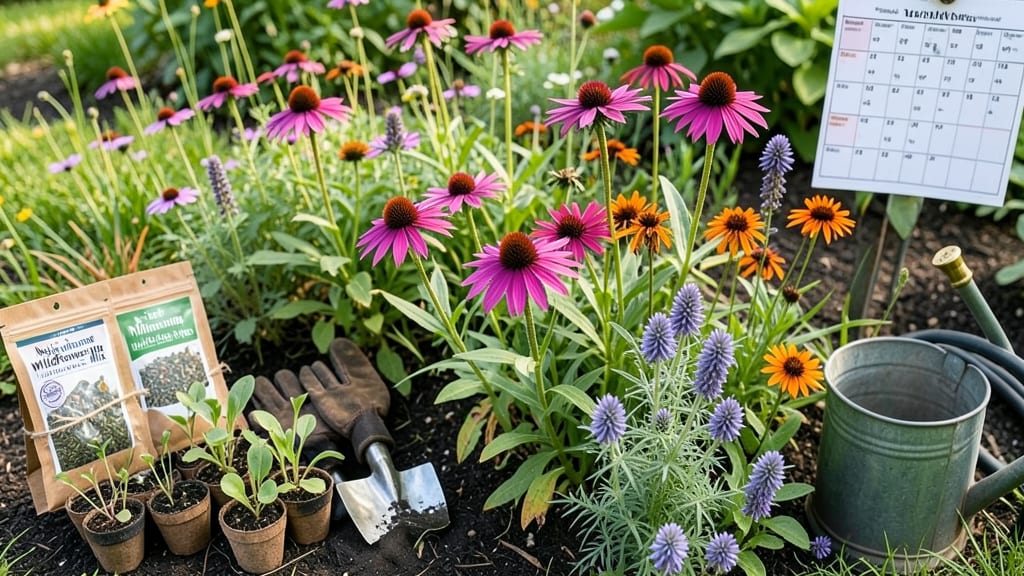
Plant wildflower seeds in Minnesota between late August and early September for the best chance at vibrant blooms next summer, when 🌼 your garden will buzz with pollinators.
Minnesota’s unpredictable climate can make wildflower gardening tricky—but timing your seeds right ensures vibrant blooms from spring to fall. Learn the exact frost-free windows for each zone and variety to maximize your meadow’s potential.
Whether you’re in USDA Zone 3-5, late summer planting lets seeds establish roots before winter, while spring planting risks early frost damage. Native varieties like black-eyed Susans and coneflowers thrive when sown at the right time.
Below, I’ll break down the ideal planting windows by zone, the best wildflower mixes for Minnesota’s short growing season, and pro tips to avoid common mistakes—so you can enjoy a colorful, low-maintenance garden year after year.
Minnesota wildflower planting calendar by hardiness zone (5A-4B)
Minnesota’s hardiness zones 5A and 4B create unique challenges for wildflower gardeners, with shorter growing seasons and unpredictable frost dates. Getting your timing right means the difference between a lush meadow and a failed seedbed.
Whether you're in northern Duluth (5A) or southern Rochester (4B), understanding these frost-free windows will help you choose the best planting strategy for your wildflowers.
Most Minnesota wildflowers thrive when planted in late summer or early fall, allowing seeds to germinate before winter dormancy. However, spring planting can work for cold-hardy varieties if done correctly.
The key is aligning your planting with soil temperatures—typically 50-60°F—and avoiding late frosts that can kill tender seedlings.
Zone 5A (northern MN) has an average last frost date of May 20-30, while Zone 4B (southern MN) sees its last frost around May 10-20. First frosts arrive earlier in Zone 5A (September 20-30) compared to Zone 4B (October 1-10). These differences mean your planting windows shift slightly between regions, so pay attention to local microclimates.
For fall planting, aim to sow seeds 6-8 weeks before your first frost. In Zone 5A, that’s late August to mid-September, while Zone 4B gardeners should plant mid-August to early October. Fall-sown seeds often establish better roots before winter, giving them a head start in spring.
Spring planting is riskier but possible for cold-tolerant varieties. Wait until after your last frost date and when soil temperatures reach at least 50°F. In Zone 5A, that’s usually mid-to-late May, while Zone 4B can start as early as early May.
Always cover seeds with row fabric if frost threatens.
| Zone & Location | Last Frost Date | First Frost Date | Ideal Soil Temp (°F) | Fall Planting Window | Spring Planting Window |
|---|---|---|---|---|---|
| Zone 5A (Duluth, Brainerd) | May 20-30 | September 20-30 | 50-60°F | Late August - Mid-September | Mid-to-Late May |
| Zone 4B (Minneapolis, Rochester) | May 10-20 | October 1-10 | 50-60°F | Mid-August - Early October | Early May |
| Both Zones (General Rule) | - | - | 60-70°F for germination | 6-8 weeks before frost | After last frost, soil ≥50°F |
When choosing wildflower varieties, prioritize native species like black-eyed Susan or prairie coneflower, which thrive in Minnesota’s climate. These perennials often self-seed, creating low-maintenance meadows over time.
Annuals like cosmos or zinnia can also be planted in spring for summer color, but they won’t return year after year.
Prepare your soil by removing weeds and loosening compacted areas. Minnesota’s clay-heavy soils benefit from compost or sand amendments to improve drainage. Avoid tilling deeply, as wildflower seeds often need light soil contact to germinate. A simple raking or light scarification (scratching the soil surface) is usually enough.
After planting, water lightly but consistently to keep seeds moist until germination. Once established, most wildflowers are drought-tolerant, but young seedlings need regular moisture to avoid drying out. Mulch lightly with straw or leaves to retain soil moisture and suppress weeds without smothering delicate seedlings.
Monitor your wildflower beds for early spring growth, which may appear as early as late April in Zone 4B or May in Zone 5A. If a late frost threatens, protect tender shoots with frost cloth or row covers.
With the right timing and care, your Minnesota wildflower meadow will reward you with vibrant blooms from early summer through fall.
Don’t forget to leave seed heads on some plants to encourage natural reseeding. Many native wildflowers rely on this process to regenerate annually, creating a self-sustaining ecosystem that attracts pollinators and wildlife. Happy planting! 🌼
Best wildflower varieties for Minnesota’s short growing season
Minnesota’s short growing season demands hardy, cold-tolerant wildflowers that thrive despite early frosts and late springs. The key is selecting native species like prairie coneflower and black-eyed Susan, which naturally adapt to USDA zones 3-5.
These varieties not only survive but burst into color from early spring through fall, extending your garden’s beauty when other plants might struggle.
For early spring blooms, focus on creeping phlox and wild columbine, which emerge as soon as snow melts. These cold-hardy perennials tolerate light frosts and provide vital early nectar for pollinators.
In contrast, summer-blooming varieties like butterfly weed and bee balm thrive in Minnesota’s warmer months, attracting butterflies and hummingbirds to your garden.
Fall-blooming goldenrod and aster are essential for late-season color, offering bright yellow and purple blooms just before winter sets in. These drought-tolerant species also support late-season pollinators, making them a must-have for any Minnesota meadow.
| Variety | Bloom Time | Cold Hardiness | Sun Needs | Notes |
|---|---|---|---|---|
| Prairie Coneflower | Summer-Fall | Zone 3-9 | Full Sun | Drought-tolerant, attracts pollinators |
| Black-Eyed Susan | Summer | Zone 3-9 | Full Sun-Part Shade | Native, long-lasting blooms |
| Creeping Phlox | Early Spring | Zone 3-8 | Full Sun | Ground cover, frost-resistant |
| Butterfly Weed | Summer | Zone 3-9 | Full Sun | Milkweed for monarchs |
| Goldenrod | Fall | Zone 3-10 | Full Sun | Late-season pollinator food |
Non-native but highly adaptable options like cornflower and cosmos also perform well in Minnesota, offering vibrant colors and long bloom times. These annual varieties self-seed easily, creating low-maintenance meadows year after year.
For shadier areas, consider wild bergamot, which tolerates partial shade while still attracting bees and butterflies.
When selecting wildflowers, prioritize native species to support local ecosystems and reduce maintenance. Most Minnesota wildflowers require minimal watering once established and thrive in poor soil, making them ideal for xeriscaping or reclaiming unused land.
Start with a mix of perennials and annuals to ensure continuous blooms from spring through fall.
For best results, plant in late summer (August-September) to allow seeds to germinate before winter. This timing ensures strong root establishment before Minnesota’s harsh winters. With the right mix, your wildflower meadow will flourish for years with minimal effort—just sun, soil, and patience! 🌼