
Plants
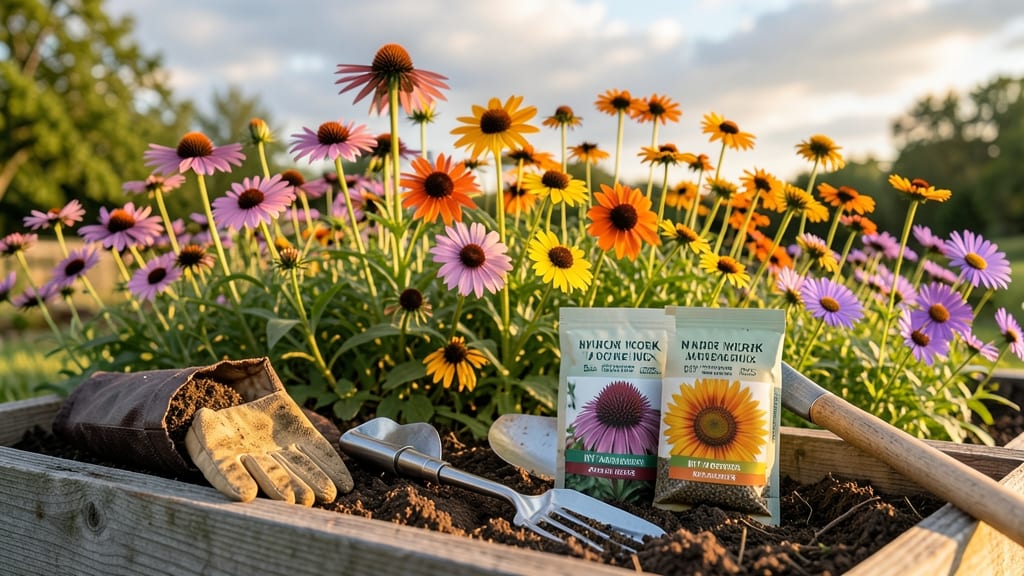
To plant wildflower seeds in NY at the best time means timing them with the soil’s last frost — early spring (March-April) for vibrant summer blooms or late summer (August-September) for fall color.
New York’s unpredictable climate can make wildflower gardening a gamble—unless you plant at the perfect time. Timing your wildflower seeds correctly ensures vibrant blooms instead of wilted disappointment, but spring and fall offer very different advantages.
In USDA Zones 5-7, where frost lingers until April in the North and October in the South, early spring planting lets seeds germinate as temperatures rise, while late summer planting avoids summer drought and gives roots time to establish before winter.
Below, I’ll break down the ideal months for your region, soil prep tips, and how to choose between spring and fall planting for maximum success with wildflowers 🌼.
Best times to plant wildflower seeds in New York (spring vs. fall comparison)
New York’s climate offers two prime windows for planting wildflower seeds: early spring and late fall. Each season brings unique benefits—spring seeds germinate with warm rains, while fall seeds establish roots before winter.
But timing matters: plant too early, and frost will kill tender sprouts; too late, and weeds will outcompete your blooms. Let’s break down the ideal planting months, soil temperature thresholds, and regional differences between upstate NY and NYC.
For spring planting, aim for March to early April in most of NY, but adjust for your zone. Upstate areas (like Buffalo) can plant as early as late February if soil isn’t frozen, while NYC’s later last frost (around April 15) shifts the window to mid-April.
The key is waiting until soil temps hit 45–50°F—cold soil delays germination. Fall planting, on the other hand, thrives in late August to early September, giving seeds time to sprout before winter dormancy.
Here’s how the two seasons stack up for wildflower success in NY:
Spring planting in NY delivers immediate summer color, but requires vigilance against weeds and erratic spring rains. I’ve seen black-eyed Susans and coreopsis thrive when sown in April, especially in full sun. The trade-off?
Weeds like crabgrass germinate early too, so pre-emergent herbicides (applied before planting) are my go-to for spring gardens. For fall, I swear by late August sowings—seeds like purple coneflower establish roots before winter, then burst into bloom the following June.
Regional differences matter. Upstate NY’s colder microclimates (like the Adirondacks) shift planting to early April for spring and mid-September for fall, while NYC’s urban heat island effect lets you plant 1–2 weeks later.
Check your last frost date (NY’s ranges from April 15 in NYC to May 15 in Buffalo) and count backward: fall seeds need 6–8 weeks to germinate before winter sets in. Pro tip: Use a soil thermometer—I keep one handy to avoid guessing.
One mistake I’ve made? Planting too early in March when soil is still cold. Wildflower seeds need consistent warmth to sprout, and March’s 40°F soil just won’t cut it. Instead, I now test soil temps daily and wait for 50°F+.
For fall, I mark my calendar for September 1st—after that, seeds may not have enough time to root before frost. Another trick? Stratify seeds (mix with sand, moisten, and refrigerate for 2 weeks) to mimic winter conditions and boost germination rates.
NY’s variable rainfall also plays a role. Spring planting often relies on natural rains, but droughts can stall germination. I’ve had success using a light mulch of straw to retain moisture without smothering seeds. For fall, I skip mulch entirely—NY’s autumn rains usually provide enough
How to prepare your NY garden for wildflower seed planting (soil, location, and prep tips)
Preparing your garden for wildflower seeds in New York starts with understanding your sun exposure zones. Most native wildflowers, like black-eyed Susans and cone flowers, thrive in full sun (6+ hours daily).
Scan your yard for areas receiving direct sunlight—south-facing slopes or open meadows are ideal. Avoid planting in shaded spots under trees, where seeds struggle to germinate due to low light competition.
Next, focus on soil preparation. Wildflowers prefer well-draining soil with moderate fertility. Test your soil’s pH—most native species prefer a neutral to slightly acidic range (6.0–7.0).
If your soil is heavy clay, mix in compost or sand to improve aeration. Skip heavy fertilizers; wildflowers often grow best in low-nutrient conditions that mimic natural habitats.
⚠️ callout-warning
⚠️ Common Mistake: Over-Tilling Your Soil
Wildflower seeds need light exposure to germinate—over-tilling buries them too deep. Instead, lightly rake the soil surface to create a rough texture, or use a broadfork to loosen the top 2 inches without disturbing seeds. Never use a rototiller, as it can compact soil and create a barrier for roots.
🌱 Pro Tip: If planting in fall, till only after seeds are scattered to avoid displacing them.
Choose your planting location carefully. Native wildflowers often perform best in open meadows or disturbed areas, where they can spread naturally. If your yard has dense grass, consider mowing a small section or using a cardboard barrier to suppress weeds before scattering seeds.
This mimics natural ecosystems where wildflowers outcompete invasive species over time.
Timing your soil prep is crucial. For spring planting (March–April), prepare your bed in late winter by removing debris and loosening soil. If planting in fall (August–September), focus on prep in early summer to allow seeds to establish roots before winter.
Always water the area 24 hours before planting to help seeds adhere to the soil surface.
Finally, avoid common pitfalls like planting too thickly or skipping mulch. Scatter seeds lightly (1/8 inch deep max) and cover with a thin layer of straw mulch to retain moisture.
This prevents erosion and keeps seeds in place until germination. In dry NY summers, mulch also reduces watering needs by 30–50%.
With the right sun exposure, soil prep, and planting technique, your wildflower garden will thrive year after year—attracting pollinators and adding vibrant color to your landscape. Start small, and watch your meadow transform! 🌼