
Plants
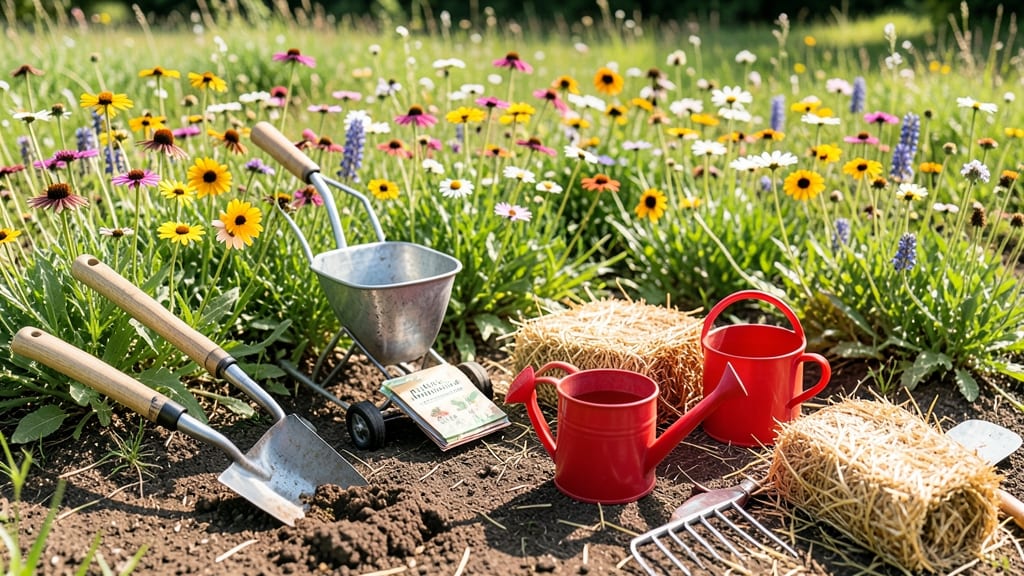
Planting wildflower seeds in Michigan at the right time means the difference between a burst of color by summer and a patch of dirt by frost.
Michigan’s unpredictable frost dates can make wildflower gardening tricky—but timing your seeds right ensures vibrant blooms from spring to fall. Whether you’re in Zone 5b or 6b, the key is knowing when to scatter those seeds so they germinate just as the soil warms.
In this guide, I’ll break down the exact frost-free windows by region, from Detroit to Traverse City, and share the best wildflower varieties for Michigan’s climate. You’ll also learn how to prep your soil and avoid common mistakes that kill seedlings before they even sprout.
By the end, you’ll have a clear, actionable plan to turn your yard into a pollinator paradise—no guesswork required.
Michigan wildflower planting zones: frost dates by USDA Hardiness Zone
Michigan spans USDA Hardiness Zones 4-6, meaning frost dates vary dramatically from the Upper Peninsula to southeastern cities. In my experience, Zone 4 (north) faces later last frosts (mid-May), while Zone 6 (south) can start planting by early April.
These differences determine whether your wildflower seeds will sprout or freeze—so timing matters!
Most Michigan gardeners focus on two planting windows: early spring (March-April) and late summer/fall (August-September). Spring planting gives you summer blooms, while fall-sown seeds establish roots before winter and burst into color next year. The key? Calculating frost-free dates for your specific location.
Here’s the critical rule: Plant wildflower seeds 2-4 weeks before your average last frost date for spring, or 6-8 weeks before first frost in fall. This ensures seeds germinate in warm soil but avoid late-season freezes. For example, Traverse City (Zone 5a) needs different timing than Detroit (Zone 6a)—let’s break it down.
| City | USDA Zone | Avg. Last Frost | Avg. First Frost | Spring Planting Window | Fall Planting Window | ||||||||||||||||||||||||||||||
|---|---|---|---|---|---|---|---|---|---|---|---|---|---|---|---|---|---|---|---|---|---|---|---|---|---|---|---|---|---|---|---|---|---|---|---|
| Traverse City | 5a | May 15 | Oct 5 | April 1-15 | Aug 15-Sept 15 | ||||||||||||||||||||||||||||||
| Marquette | 5b | May 10 | Oct 10 | April 1-30 | Aug 1-30 | ||||||||||||||||||||||||||||||
| Grand Rapids | 6a | April 25 | Oct 15 | March 15-April 15 | Aug 1-Sept 15 | ||||||||||||||||||||||||||||||
| Detroit | 6b | April 20 | Oct 20 | March 1-April 15 | Aug 1-Sept 20 | ||||||||||||||||||||||||||||||
| Lansing | 6a | April 22 | Oct 10 | March 15-April 15 | Aug 1-Sept 15 | ||||||||||||||||||||||||||||||
| Saginaw | 6a | April 20 | Oct 12 | March 15-April 15 | Aug 1-Sept 15 | ||||||||||||||||||||||||||||||
| Kalamazoo | 6a | April 25 | Oct 15 | March 15-April 15 | Aug 1-Sept 15 | ||||||||||||||||||||||||||||||
| Ann Arbor | 6b | April 20 | Oct 18 | March 1-April 15 | Aug 1-Sept 20 | ||||||||||||||||||||||||||||||
| Flint | 6b | April 18 | Oct 15 | March 1-April 15 | Aug 1-Sept 15
Best wildflower seed types for Michigan’s climate and when to sow themMichigan’s diverse climate supports a stunning array of wildflowers, from hardy perennials like purple coneflower to cheerful annuals like cosmos. The key to success? Planting at the right time—whether you’re sowing cold-hardy seeds in early spring or taking advantage of fall’s cooler temperatures for deeper root establishment. Let’s break down the best wildflower varieties and their ideal planting windows for Michigan’s USDA Zones 5b-6b. For spring planting, aim for March to early April—just after the last frost date (typically mid-April in most regions). Fall planting (late August to September) is ideal for perennials, as seeds germinate slowly in cool soil and establish roots before winter. Annuals, like sunflowers or zinnia, can also be sown in late summer for fall blooms, though they may not survive Michigan’s winters.
If you’re planting annual wildflowers like cosmos or zinnia, late summer sowing (around August 1st) gives them time to germinate and bloom before first frost. For perennials, fall planting is often better—seeds germinate in spring when temperatures rise, giving plants a head start. Black-eyed Susans and purple coneflowers thrive with this method, producing bold blooms for years. For cold-hardy annuals such as lupines or snapdragons, you can even sow seeds in early spring (as soon as soil is workable in March). These varieties tolerate light frosts and often bloom earlier than warm-season annuals. Just cover seeds lightly with straw mulch to protect them from late frosts. Pro tip: Prepare your soil before planting by removing weeds and loosening the top 2-3 inches of soil. Wildflowers prefer well-draining soil with minimal fertilizer—too much nitrogen can reduce blooming. After sowing, gently press seeds into the soil and water lightly to keep them moist until germination (10-21 days, depending on the species). Avoid heavy watering, which can wash seeds away. Michigan’s wildflower meadows reward patience with months of color and pollinator support. Whether you’re a beginner or a seasoned gardener, timing your wildflower seeds correctly ensures a vibrant, low-maintenance garden that thrives year after year. Start with native species for the best adaptation to Michigan’s climate, and don’t forget to enjoy the butterflies and bees that will visit your blooms! 🌼 |