
Plants
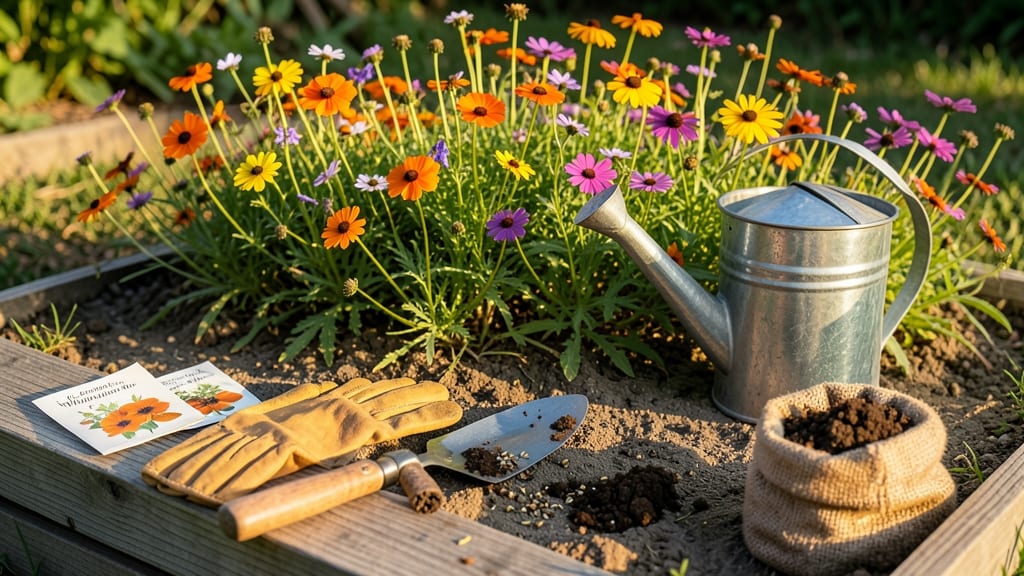
Planting wildflower seeds in Alabama at the right time means the difference between a burst of color and a patch of weeds.
Alabama’s warm climate and diverse ecosystems make it a paradise for wildflowers—but timing your planting wrong can mean sparse blooms or invasive weeds taking over. Discover the exact soil temperature triggers and seasonal windows to maximize your wildflower meadow’s beauty and biodiversity.
Most gardeners in USDA Zones 7a-8b think spring is the only window, but fall planting—especially in September or October—gives seeds a head start before winter rains. The key? Watch for soil temps between 50°F and 65°F, the sweet spot for germination.
In this guide, I’ll break down the best months for your region, how to prep Alabama’s clay-heavy soil, and which native wildflowers thrive year-round. Ready to skip the guesswork and create a pollinator haven?
Alabama wildflower planting calendar by soil temperature zones
Alabama’s diverse climate—from the cool Appalachian foothills to the humid Gulf Coast—creates unique planting windows for wildflowers. The key to success? Monitoring soil temperature rather than air temperature. Cool-season varieties like Black-eyed Susans thrive when soil hits 50°F-60°F, while warm-season favorites such as Lantana need 65°F+ to germinate.
Without this precision, you risk weak seedlings or missed bloom seasons.
North Alabama (USDA Zones 7a-7b)—think Huntsville and Birmingham—has earlier frost dates (mid-November to early March), giving you a 6-week window for fall planting. Meanwhile, South Alabama (Zones 8a-8b), like Mobile, enjoys longer growing seasons with soil warming faster in spring.
These microclimates mean your neighbor’s perfect timing might not work for your plot.
Here’s how to align your planting with Alabama’s soil temperature triggers and regional adjustments for peak blooms. Use a soil thermometer (buried 2 inches deep) to confirm readiness before scattering seeds. This avoids the heartbreak of wasted seed packets or overcrowded seedlings.
Avoid the common mistake of planting based on calendar months alone. In Mobile, March soil can already be 70°F—ideal for warm-season wildflowers—while Huntsville might still see 45°F soils in early April. The solution? Stagger plantings by zone to extend your meadow’s bloom season from spring to fall.
For North Alabama gardeners, prioritize fall planting (September–October) to give seeds time to establish roots before winter. The 50°F soil trigger signals the perfect moment for cool-season natives like Purple Coneflower, which thrives in Alabama’s acidic clay soils.
In my Huntsville garden, I’ve seen Black-eyed Susans bloom 3 weeks earlier when planted in fall versus spring.
In South Alabama, where humidity lingers, focus on warm-season wildflowers like Lantana and Firewheel. Wait until soil hits 65°F+ (typically late April) to avoid fungal diseases from damp, cool conditions. Pro tip: Pre-soak seeds for 24 hours to improve germination in sandy soils common near Mobile.
Don’t overlook staggered planting to extend your meadow’s bloom season. For example, sow half your seeds in September (for spring blooms) and the rest in March (for summer color). This strategy works especially well in Central Alabama, where transition-zone soils benefit from both cool- and warm-season varieties.
After planting, water gently to avoid displacing seeds, and avoid heavy foot traffic until sprouts appear (usually 10–20 days). In Alabama’s clay-heavy soils, mix in compost to improve drainage—a critical step I learned after my first waterlogged wildflower patch in Birmingham.
Monitor your meadow’s progress with a soil thermometer and adjust watering as needed. Drought-tolerant varieties like Coreopsis thrive with minimal watering once established, while annuals like Zinnias may need weekly watering during Alabama’s hot, dry summers.
With the right timing, your wildflower meadow will burst into color from spring through fall.
Remember: Alabama’s native wildflowers support pollinators like monarch butterflies and honeybees. By planting at the right soil temperatures, you’re not just creating beauty—you’re restoring ecosystems one seed at a time. 🌼
Best wildflower seed mixes for Alabama’s climate and soil types
Alabama’s diverse soil types—from red clay to sandy loam—create perfect conditions for wildflowers, but choosing the right mix is key. Native perennials like Black-eyed Susan and Purple Coneflower thrive in Alabama’s USDA Zones 7a-8b, while annuals like Cosmos and Zinnias offer quick color.
Let’s match your soil to the best seed mix for year-round blooms.
For red clay soils, opt for mixes with deep-rooted perennials like Coreopsis and Butterfly Weed, which tolerate poor drainage. Sandy loam soils benefit from drought-resistant annuals such as Mexican Sunflower and Blanket Flower. Meanwhile, limestone-based soils support wild indigo and Partridge Pea, which love alkaline conditions.
Here’s how to balance urban plots (small spaces, low water) with rural meadows (larger areas, higher biodiversity). Urban gardens shine with compact annuals like Lantana and Vinca, while rural areas thrive with native perennials like Goldenrod and Aster for pollinators.
Native Perennials vs. Annual Wildflowers for Alabama
- ✅ Year-round color (return every year)
- ✅ Supports pollinators (monarchs, bees)
- ✅ Drought-tolerant once established
- ❌ Slower germination (6-8 weeks)
- ❌ Higher upfront cost per pound
- ✅ Fast blooms (30-60 days)
- ✅ Budget-friendly for quick color
- ✅ Easy to replant yearly
- ❌ No perennial benefits
- ❌ Requires reseeding each year
For drought-prone areas, prioritize deep-rooted natives like Eastern Red Columbine and Wild Bergamot. These plants store water efficiently and outcompete weeds. In urban settings, self-seeding annuals like Sweet Alyssum and Calendula add texture without demanding care.
Test your soil’s pH level—Alabama’s acidic clay (pH 5.0-6.0) may need lime for limestone-loving species. Amend with compost to improve drainage in heavy clay. Sandy soils benefit from organic matter like leaf mold to retain moisture.
Stagger your planting: sow cool-season mixes (like Bluebonnet) in September-October and warm-season annuals (like Sunflower) in March-April. This ensures continuous blooms from spring to frost. For pollinator power, include milkweed and bee balm—monarchs and bees will thank you!
My top 3 mixes for Alabama:
- Native Pollinator Mix (perennials for biodiversity),
- Sun-Loving Annual Blend (fast color for urban plots), and
- Drought-Tough Mix (low-water perennials for rural areas). Each delivers 4+ months of blooms with minimal effort.