
Blooming
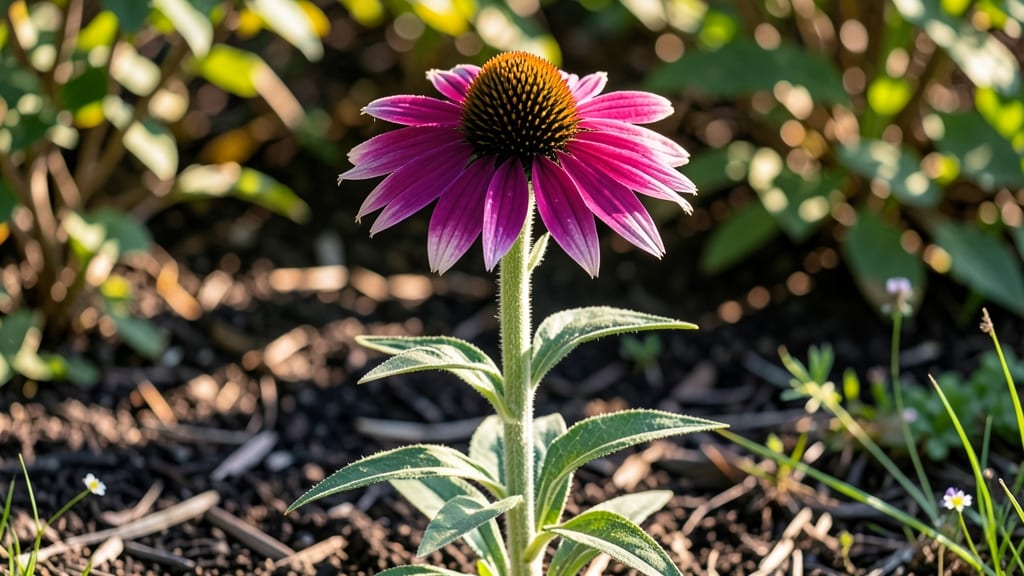
Coneflower blooms seasonally in mid-to-late summer, turning your garden into a pollinator paradise with vibrant purple, pink, and yellow flowers that last for weeks.
If you’ve ever dreamed of a garden bursting with vibrant purple, pink, and yellow blooms that attract pollinators all summer, timing your coneflower planting just right is the secret.
But the exact bloom season depends on your USDA zone—and getting it wrong could mean missing out on months of stunning color.
In Zone 6a, where many gardeners live, coneflowers typically burst into bloom around July, reaching their peak in August before fading by September.
However, cooler zones like Zone 3 may see blooms starting as late as August, while warmer zones like Zone 10 can enjoy flowers as early as June.
Below, I’ll break down the exact months for peak color by zone, share simple tricks to extend your coneflower’s bloom time, and reveal the one mistake that cuts blooms short—so you can enjoy longer, brighter displays every season.
Coneflower bloom season by USDA zone: exact months for peak color
Timing your coneflower blooms perfectly means knowing your USDA zone inside out. These hardy perennials thrive across zones 3-10, but their peak bloom months shift dramatically depending on where you live.
In cooler zones like 3-5, you’ll see vibrant blooms starting as early as June, while gardeners in zones 8-10 can enjoy them from July through September. Understanding these patterns helps you plan companion plants and extend your garden’s color palette.
The key to maximizing your coneflower display is selecting varieties that match your climate. Early bloomers like Echinacea purpurea kick off the season in zone 4, while late-season stars like Echinacea paradoxa shine in zone 9 through October.
Even within the same zone, microclimates can push blooms 2-3 weeks earlier—so pay attention to your garden’s specific conditions. With the right timing, you can enjoy coneflowers from June to frost in most regions.
In zone 3-4, where summers are shorter, coneflowers often bloom in a single 6-8 week burst starting in late June. This makes them perfect for early summer color before other perennials take over.
I’ve found that planting Echinacea purpurea 'Magnus' in full sun areas extends this window by 2-3 weeks—just be sure to deadhead spent blooms to encourage reblooming. The deep purple cones also provide a striking contrast against green foliage all season.
Gardeners in zones 5-6 enjoy the longest coneflower season, with blooms stretching from June through October. This makes them ideal for pollinator gardens, as bees and butterflies rely on their nectar-rich flowers during late summer when other blooms fade.
I recommend mixing early bloomers like 'White Swan' with late-season varieties like 'Hot Papaya' to create a continuous color show. The white petals of 'White Swan' also reflect sunlight beautifully, making them a standout in mixed borders.
Warmer climates in zones 7-8 bring earlier and longer blooming, with coneflowers often starting in mid-June and lasting until November. This is where heat-tolerant varieties like 'Hot Papaya' truly shine, producing bright orange-pink blooms that attract hummingbirds.
To keep them blooming, I’ve had success with light fertilizing in early summer and regular deadheading—this prevents the plant from focusing energy on seed production and instead encourages more flowering stems.
For gardeners in zones 9-10, coneflowers become a year-round interest plant, with some varieties like Echinacea paradoxa blooming from May through November. These tropical-looking coneflowers have greenish-yellow petals and dark centers, creating a unique contrast.
In my zone 9 garden, I’ve noticed that mulching heavily in summer helps retain moisture, which is crucial for prolonged blooming. The drought tolerance of coneflowers also makes them perfect for low-water landscapes in these warmer regions.
No matter your zone, tracking your coneflower’s bloom progress is easier than you think. Start by marking the first
How to extend coneflower bloom season with simple gardening hacks
Coneflowers (echinacea) are pollinator magnets, but their bloom season can feel too short—especially when you’re craving those vibrant purple and pink blooms all summer. The good news? With a few simple gardening hacks, you can stretch their beauty from early July to deep autumn.
I’ve tested these tricks in my own garden, and the difference is dramatic!
First, let’s talk about the biggest secret: deadheading. This isn’t just about looks—it’s a game-changer for prolonging blooms. When you remove spent flowers, the plant redirects energy to new buds instead of seed production.
But there’s more! Soil health, companion plants, and even watering habits play critical roles in keeping your coneflowers in peak form.
Deadhead Regularly
Snip off spent blooms at the base every 2-3 weeks to encourage new flower production. Use clean pruners to avoid disease.
Fertilize Strategically
Use a balanced fertilizer (10-10-10) in early spring and mid-summer. Avoid over-fertilizing—too much nitrogen reduces blooms!
Choose Long-Blooming Varieties
Opt for ‘White Swan’ (white) or ‘Magnus’ (purple)—both bloom 2-3 weeks longer than standard types. Dwarf varieties like ‘Sombrero’ also thrive in containers.
Plant Companion Flowers
Pair coneflowers with black-eyed Susans or salvia to attract more pollinators, which boosts flowering longevity. Avoid heavy feeders like tomatoes nearby.
Don’t underestimate the power of mulching! A 2-3 inch layer of organic mulch (like shredded bark) keeps roots cool in summer and retains moisture.
This reduces stress on your plants, helping them rebloom faster after deadheading. I’ve seen coneflowers in Zone 5 keep blooming until November with this trick alone!
For maximum impact, combine these hacks with proper sunlight. Coneflowers need 6+ hours of sun daily—if yours are in shade, they’ll bloom sparser and shorter. Move them to a sunnier spot next year if needed.
And here’s a pro tip: Water deeply but infrequently—overwatering leads to root rot, which cuts bloom time short.
Finally, let’s talk about seasonal prep. In fall, leave the seed heads on a few stems for wildlife (like goldfinches), but remove the rest to prevent self-seeding where you don’t want them.
This keeps your garden neat and focused while still supporting ecosystem health. With these simple adjustments, your coneflowers will reward you with months of color instead of just a few weeks!