
Flowers
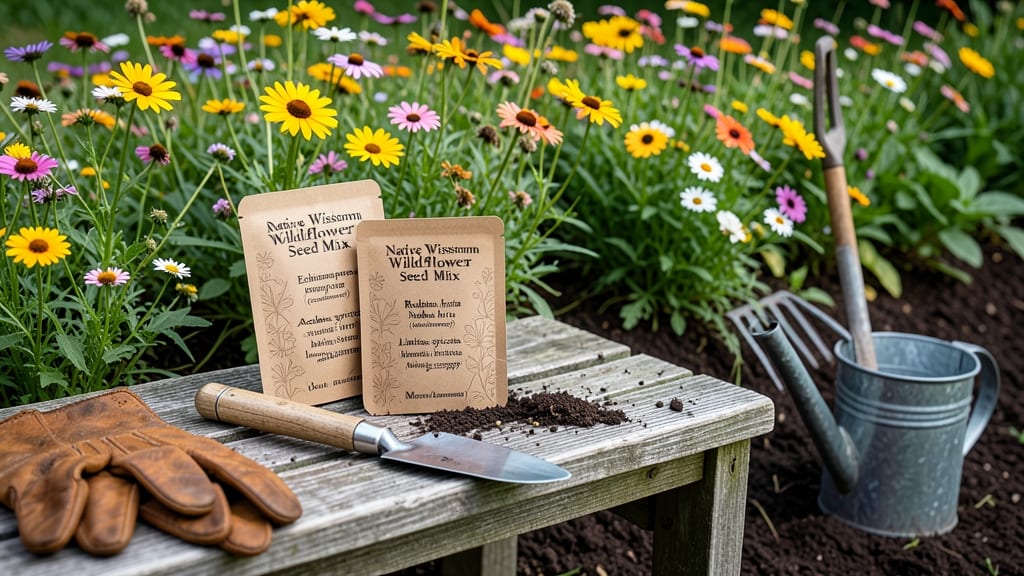
Planting wildflowers in Wisconsin at the right time means the difference between a vibrant pollinator garden and a patch of frost-killed seeds.
Wisconsin’s diverse climate zones (4a-6b) can turn wildflower planting into a guessing game—plant too early and risk frost damage, too late and miss peak bloom seasons. But timing isn’t just about dates; it’s about creating thriving pollinator habitats that last for years.
Most gardeners in Wisconsin know to aim for early spring or fall, but the exact window depends on your zone. Southern areas like Madison can start as early as March, while northern regions like Duluth should wait until late April to avoid late frosts.
Below, I’ll break down the best planting months by zone, the top native wildflowers for your area, and pro tips to ensure your seeds take root and flourish—no matter where you garden in the Badger State.
Wisconsin wildflower planting dates by hardiness Zone: exact frost-free timelines
Wisconsin’s 5 USDA hardiness zones (3a-5b) create unique planting windows for wildflowers. Understanding these zones helps you avoid frost damage while maximizing bloom seasons. In Zone 3a, the coldest region, spring planting starts later, while Zone 5b offers earlier opportunities.
Let’s break down the exact frost-free timelines for each zone.
For spring planting, aim for 2-4 weeks before your last frost date. In fall planting, seeds need 6-8 weeks before first frost to establish roots. Microclimates—like south-facing slopes or urban heat islands—can shift these windows by 1-2 weeks. Always check your local frost-free date for precision.
Here’s a quick reference for Wisconsin’s zones, including ideal months for seeds vs. transplants and how to adjust for local conditions:
In Zone 3a, where winters are harsh, focus on hardy perennials like black-eyed Susan or purple coneflower. These thrive with late spring planting and establish deep roots before winter.
For Zone 5b, you can even try early spring sowing of annuals like cosmos or zinnia, which bloom quickly and attract pollinators.
Fall planting is ideal for biennials and perennials because cooler temperatures reduce seedling stress. In Zone 4a-5b, aim to plant 6-8 weeks before first frost. For example, in Zone 5b, sow seeds by September 15 to ensure they germinate before mid-October frost.
In Zone 3a, wait until September 1 to avoid early freezes.
Microclimates play a huge role in Wisconsin. A south-facing slope can warm up 2-3°F faster than a north-facing area, extending your planting window by 1-2 weeks. Similarly, urban heat islands in cities like Milwaukee or Madison may allow earlier spring planting.
Use these natural advantages to your benefit—plant heat-loving annuals like sunflowers in warmer microclimates.
If you’re unsure about your exact last frost date, check resources like the National Oceanic and Atmospheric Administration (NOAA) or local Cooperative Extension offices. They provide historical frost data tailored to your county.
For example, Dodge County (Zone 5a) might have a last frost date of April 20, while Bayfield County (Zone 3a) could see frost until May 15.
Pro tip: Use row covers or
Best wildflower species for Wisconsin’s seasonal timeline: when to plant for year-round blooms
Wisconsin’s diverse climate and four distinct seasons make it possible to enjoy wildflowers year-round with the right species selection. By choosing native perennials, annuals, and biennials, you can create a continuous pollinator buffet from spring to fall.
The key lies in understanding each species’ optimal planting window and bloom cycle.
For spring bloomers, focus on early spring planting (March–April) to give roots time to establish before summer heat. Summer wildflowers thrive when sown in late spring (May) or early fall (September), while fall-blooming species benefit from late summer sowing (August) to ensure they mature before frost.
Let’s break down the best options for each season.
🌱 Numbered Highlights: Wisconsin Wildflower Planting Guide by Season
- 1. Spring Bloomers (March–May): Plant Virginia bluebells and wild columbine in early spring (March–April) for April–June blooms. These perennials naturalize easily and attract early pollinators like bees and hummingbirds.
- 2. Summer Stunners (June–August): Sow black-eyed Susans and purple coneflowers in late spring (May) or early fall (September) for July–September blooms. These drought-tolerant perennials thrive in full sun and support butterflies and bees.
- 3. Fall Favorites (September–October): Plant goldenrod and aster in late summer (August) to ensure late-season blooms before frost. These biennials provide nectar for migrating monarchs and add autumn color to gardens.
- 4. Annuals for Instant Color: Scatter cosmos and zinnia seeds in May for summer-long blooms. These self-seeding annuals are perfect for fill-in gaps and pollinator support without long-term commitment.
- 5. Biennials for Two-Year Magic: Sow foxglove and hollyhock in early fall (September) for next-year blooms. These tall, dramatic species add vertical interest and attract hummingbirds in their second year.
Don’t overlook native wildflowers like prairie smoke and butterfly weed, which are low-maintenance and ecologically beneficial. These species often self-seed, reducing the need for yearly replanting. For shadier areas, consider wild bergamot or trillium, which thrive in partial shade and woodland gardens.
To maximize year-round interest, layer different bloom times in your design. For example, pair early spring bloomers like bloodroot with late summer asters to ensure continuous color. Mulch lightly after planting to retain moisture and suppress weeds, especially during Wisconsin’s variable spring rains.
Pro tip: Mark your calendar for Wisconsin’s last frost dates (typically mid-May in the north and early May in the south). Plant heat-loving annuals like sunflowers only after this date to avoid frost damage.
For fall planting, aim to sow seeds 6–8 weeks before your first expected frost (usually mid-October).
With the right species mix and planting timing, your Wisconsin garden can become a pollinator paradise that blooms from spring to frost. Start small, experiment with native varieties, and watch your garden transform into a living tapestry of color and life! 🌼