
Flowers
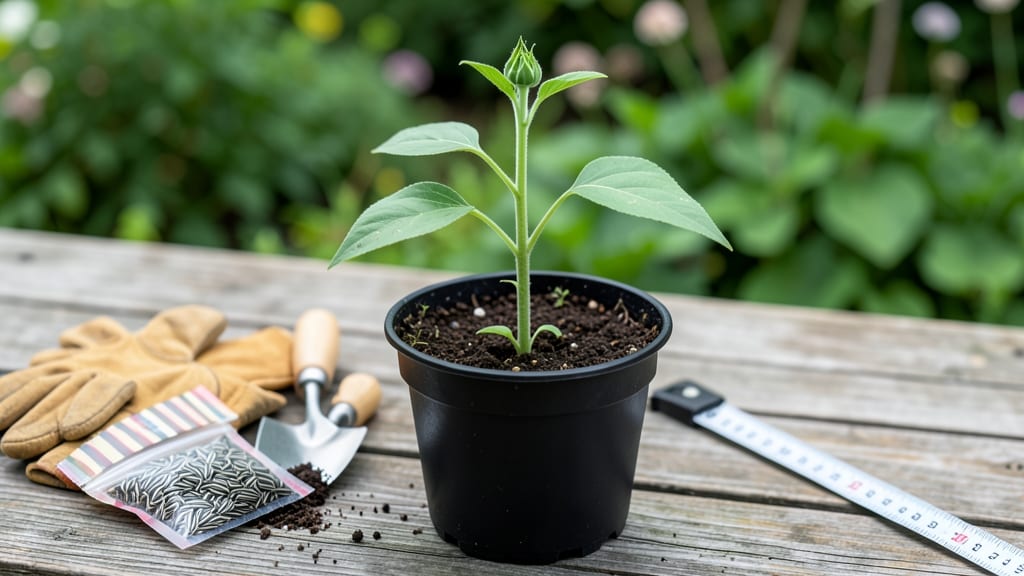
To plant sunflowers in Southern California for the fastest blooms, time it between February and April or again in August and September—when the heat isn’t yet crushing or cooling down.
Sunflowers thrive in Southern California’s warm climate—but planting them at the wrong time can mean wilted dreams before they even bloom. Timing is everything for maximizing height, color, and those iconic golden faces.
Here’s the secret: coastal areas like San Diego can start as early as January, while inland desert zones wait until March to avoid the brutal summer sun. A little adjustment goes a long way toward faster growth and bigger blooms.
In this guide, you’ll learn the exact months to plant by microclimate, how to prep soil for SoCal’s dry summers, and the 3 key tricks to keep your sunflowers 🌻 thriving—no matter where you live in the region.
Southern California sunflower planting calendar by heat Zone
Southern California’s diverse climate—from coastal breezes in Zone 10 to desert heat in Zone 8—means sunflowers can bloom year-round with the right timing. But planting too early risks heat stress, while late planting may delay those iconic golden blooms.
Let’s break down the best months for each microclimate to ensure your sunflowers reach their full 10-foot-plus potential.
Coastal areas like Malibu or San Diego (Zone 10) enjoy milder winters and cooler summers, while inland valleys (Zone 9) and desert regions (Zone 8) face more extreme heat. Even though frost is rare, temperature swings can still stress young plants.
The key is aligning your planting with soil warmth and rainfall patterns—coastal zones benefit from spring rains, while desert zones rely on deep watering.
Pro Tip: Test soil temperature with a soil thermometer—sunflowers germinate best when soil reaches 50°F (10°C). In Zone 10, this happens as early as January, while Zone 8 may wait until March. Timing isn’t just about months; it’s about microclimate cues like humidity and wind exposure.
| Zone/Region | Best Planting Window | Soil Temp for Germination | Frost Risk | Heat Adjustments |
|---|---|---|---|---|
| Zone 10 (Coastal: Malibu, Santa Barbara, San Diego) | Jan–Apr, Aug–Sep | 50°F+ (Jan) | None | Use shade cloth for summer |
| Zone 9 (Inland: LA Basin, Riverside, San Bernardino) | Feb–Mar, Aug–Sep | 55°F+ (Feb) | Rare (valleys) | Mulch heavily in summer |
| Zone 8 (Desert: Palm Springs, Joshua Tree, Coachella) | Mar–Apr, Sep–Oct | 60°F+ (Mar) | None | Drip irrigation only |
🌱 Note: Coastal zones can plant earlier due to cooler soils.
For coastal Zone 10 gardeners, January through April is prime time to sow sunflower seeds. The mild winters and spring rains create perfect conditions for germination. If you miss this window, August to September offers a second chance—just be prepared for hotter soils and less rainfall.
I’ve seen ‘Moulin Rouge’ sunflowers thrive in coastal gardens when planted in late February, blooming by May.
Inland Zone 9 areas like Riverside or San Bernardino should wait until February or March to avoid soil temperature fluctuations. The Santa Ana winds can dry out young seedlings, so mulching with straw is a must.
I recommend direct-sowing in well-draining soil—container-growing works too, but ensure pots are at least 12 inches deep for tall varieties like ‘Russian Giant’.
Desert Zone 8 gardeners face the biggest heat challenges. Planting in March or September avoids the 100°F+ summers that can cause bolting (premature flowering). Use drip irrigation to keep roots cool and shade cloth during peak hours. I’ve grown ‘Autumn Beauty’ successfully in Palm Springs by starting seeds indoors in February and transplanting after March 15th.
Don’t overlook fall planting—it’s a secret weapon for extended blooms. Inland and desert zones can sow seeds in August or September for October to November flowers. Coastal areas can push this to late September.
The cooler fall nights help sunflowers bolt properly without heat stress. Just avoid planting after October 1st in Zone 9/8, as days get too short for strong stems.
One common mistake? Planting too close to summer. Sunflowers need 60–90 days to mature, and June heat can stunt growth. If you’re itching for summer blooms, opt for dwarf varieties like ‘Teddy Bear’, which tolerate heat better.
For tall varieties, stick to spring or fall planting—your 12-foot giants will thank you with stronger stems and bigger blooms.
Finally, adjust watering based on your zone. Coastal areas can rely on natural rainfall after planting, while desert zones need deep watering 2–3 times per week until
How to adjust planting for faster blooms in extreme heat
Southern California’s scorching summers can turn sunflowers into bolt-happy disappointments if you don’t adjust your planting strategy. The key to faster blooms lies in timing, variety selection, and heat management.
I’ve learned that planting too late in spring can trigger premature flowering, while summer heat without proper care leads to wilting before blooms even appear.
For extended flowering seasons, focus on heat-tolerant varieties like 'Moulin Rouge' (dwarf, vibrant red) or 'Russian Giant' (tall, classic yellow). These varieties handle SoCal’s 100°F+ days better than standard types.
I’ve also discovered that shade cloth during peak afternoon heat can delay bolting by 2-3 weeks while maintaining bloom quality.
Planting Adjustments for Extreme Heat
DO:
- Plant 'Moulin Rouge' in late winter (Feb-March) for spring blooms
- Use shade cloth 30-50% during 11 AM-3 PM in summer
- Choose dwarf varieties (3-5 ft) for containers
- Water deeply at soil level (not leaves) in morning
- Apply mulch to retain moisture
DON'T:
- Plant standard varieties in summer heat (they bolt quickly)
- Overhead water in afternoon (promotes fungal diseases)
- Use heavy clay soil without amendments (roots suffocate)
- Skip soil moisture checks (stick should be dry 2" down)
- Fertilize with high nitrogen in summer (encourages leafy growth)
My secret weapon for heat-resistant sunflowers is soil preparation. Amend garden beds with compost and perlite to improve drainage—sunflowers hate soggy roots. I also add a time-release fertilizer at planting to give them a slow-release nutrient boost during dry spells.
This combo has increased my bloom time by 10-14 days compared to standard planting.
For container growers, prioritize self-watering pots with 5+ gallon capacity. I’ve found that terracotta pots dry out fastest, so I switch to fabric grow bags for summer plantings.
Elevate containers to prevent root rot from poor drainage—a common issue in SoCal’s intense afternoon sun. Add a wicking system for truly hands-off care.
Don’t forget about pest management during heatwaves. Sunflowers attract bird damage when stressed, so I use netting for 'Russian Giant' varieties. For aphids, a strong spray of water in the morning works better than chemicals—it’s eco-friendly and heat-tolerant plants recover faster.
I’ve also noticed that pruning lower leaves improves airflow, reducing fungal risks during our 90°F+ nights.
With these adjustments, you can enjoy sunflowers in bloom from spring through fall—even in Southern California’s harshest heat. The key is proactive care: choose the right varieties, protect them from peak sun, and keep their roots cool.
Your golden giants will thank you with bigger blooms and longer-lasting color all season long. 🌻