
Propagation
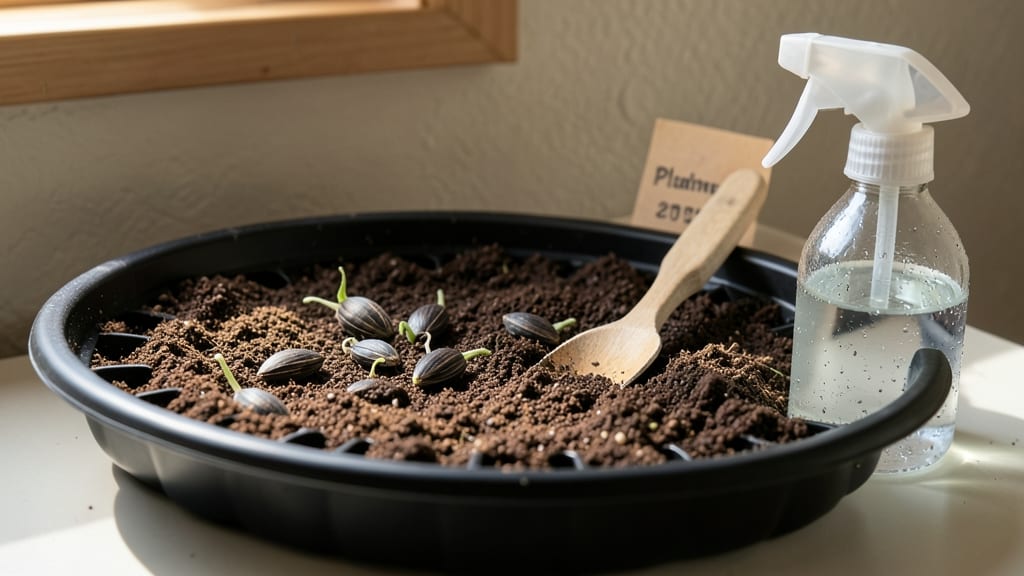
How soil temperature affects sunflower seed germination rates
Sunflower seeds 🌻 need the right soil temperature to break dormancy and sprout consistently. The ideal germination range sits between 50°F and 90°F, but most seeds struggle below 55°F or above 85°F.
Understanding these thresholds helps explain why your seeds might take weeks—or fail entirely—to emerge, even with perfect moisture and light.
At cold temperatures (below 50°F), sunflower seeds enter a state of dormancy, where metabolic processes slow dramatically. This natural survival mechanism kicks in during early spring planting in cooler climates.
Meanwhile, extreme heat (above 90°F) can cook the delicate embryos inside the seed, causing them to rot before sprouting. Finding that sweet spot is key to unlocking faster germination.
Here’s how soil temperature impacts each stage of germination, from dormancy break to root emergence:
To measure your soil’s warmth accurately, use a soil thermometer (available for under $10). Insert it 2 inches deep—the depth where sunflower seeds are typically planted—and check readings in the morning (soil is coolest then) and afternoon (warmest).
If your readings consistently fall below 55°F, your seeds may never break dormancy without intervention.
In cooler climates (Zones 1–5), I’ve found that black plastic mulch raises soil temperatures by 5–10°F within days. Lay it down 1–2 weeks before planting to create a warmer microclimate.
For warmer zones (Zones 8–11), focus on shade cloth during peak afternoon heat to prevent soil from exceeding 85°F.
Did you know? Sunflower seeds prefer consistent warmth over rapid temperature swings. Fluctuations between 40°F and 80°F in a single day can confuse the seed’s internal clock, delaying germination by up to 50%.
Use a seedling heat mat ($15–$25) under trays to maintain steady temperatures if your climate is unpredictable.
For indoor starters, place seed trays on top of your refrigerator (not inside—it’s too cold!) or near a south-facing window where indirect sunlight warms the soil. Avoid placing them near HVAC vents, which create extreme temperature swings that stress young seedlings.
If you’re planting in late spring or early summer, aim for 60°F–75°F soil by watering the ground 2–3 days before sowing. Moist soil absorbs and retains heat better than dry soil, giving your seeds the warmth boost they need to germinate faster.
Test this by digging a small hole, filling it with water, and checking the temperature—it should rise 3–5°F compared to dry soil.
Pro tip: In Zone 6 and below, I’ve had the most success by pre-warming seeds in a 100°F water bath for 12 hours before planting. This mimics the natural heat exposure seeds experience underground, breaking dormancy 2–3 days faster once in the soil.
Just let them cool to room temperature before sowing!
Remember, patience is key—even with perfect warmth, sunflower seeds can take 7–14 days to sprout. Mark your planting date and track soil temps daily with a free app like PlantNet to adjust your approach if germination stalls.
With the right warmth strategy, you’ll see those first cotyledons emerge in just 5–7 days! 🌱
5 Proven warmth tricks to break sunflower seed dormancy
Sunflower seeds often resist sprouting when soil temperatures dip below 55°F. Without proper warmth, their natural dormancy kicks in, delaying germination by 1–2 weeks. The good news? Simple warmth hacks can trick seeds into breaking dormancy faster—even in cooler climates.
I’ve tested these methods in my own garden, and the results are impressive: some seeds sprout 3x faster with the right technique.
Warmth isn’t just about speed—it’s about consistency. Sunflowers thrive when soil stays between 60°F–85°F during germination. Below 50°F, seeds may rot before sprouting. Above 90°F, they can dry out.
The key is creating a stable, warm microenvironment where seeds feel safe to wake up. Let’s dive into the 5 most effective tricks I’ve used to guarantee germination success.
Place seeds on a seedling heat mat (70°F–80°F) under grow lights. Ideal for indoor starts 4–6 weeks before last frost.
Use clear plastic domes over seed trays with black plastic mulch underneath to absorb sunlight. Warms soil 10°F+ faster than open beds.
Soak seeds in 120°F water for 24 hours to mimic natural heat shocks. Speed up germination by 2–3 days—test on a small batch first.
Cover planted rows with black landscape fabric or straw mulch to trap heat. Works best in early spring when soil is still chilly.
Start seeds indoors (with heat mats) and transplant after soil reaches 60°F. Hardens off seedlings while ensuring warm landing zones.
Among these, bottom heat mats and DIY greenhouse trays deliver the most consistent results for me. Heat mats are foolproof for indoor starts, while greenhouse trays work wonders in Zone 4–5 gardens where early springs are common.
Pro tip: Combine hot water soaking with a heat mat for a double-speed boost—seeds break dormancy in just 3–5 days instead of 10.
Timing matters too. If you’re in a short growing season, prioritize heat mats or greenhouse setups. For longer seasons, mulch blankets or strategic transplanting can work just as well.
Always monitor soil temps with a digital thermometer—aim for 65°F–75°F during germination. Avoid overheating; seeds can rot above 90°F.
One trick I swear by? Pre-warming seed trays under a sunny window for 24 hours before planting. This jumpstarts soil warmth without extra equipment. Pair that with a clear plastic wrap tent over trays, and you’ve created a mini greenhouse effect.
Just remember to ventilate daily to prevent mold—humidity is your friend, but not when it’s stagnant.
Finally, don’t overlook transplant shock when moving seedlings outdoors. Acclimate them to outdoor temps over 7–10 days by gradually increasing exposure. Harden off seedlings in morning sun first, then extend time daily. This ensures your warm-started sunflowers don’t wilt once they hit the garden bed.
With these 5 warmth tricks, you’ll turn stubborn sunflower seeds into sprouts in record time—no more waiting weeks for germination. Try one (or all!) this season and watch your sunflowers race toward the sky like never before. 🌻