
Flowers
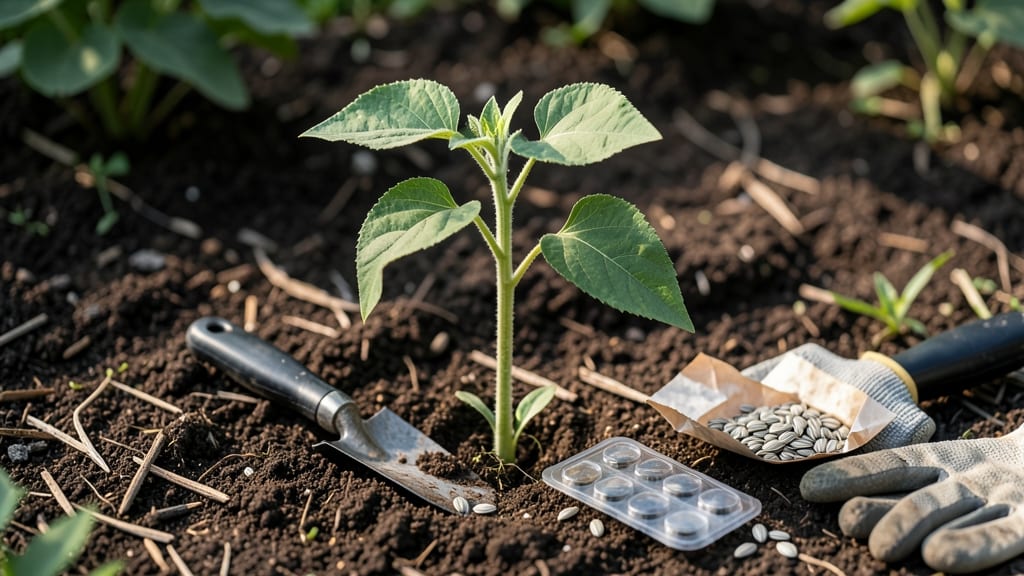
Planting sunflowers in Portland, Oregon, means timing your seeds between late April and early June—after the last frost but before the heat peaks.
You’ve probably seen those towering 🌻 blooms in summer gardens, only to wonder why yours never made it that far. The secret? Portland’s USDA Zone 8a climate demands patience—plant too early, and frost will nip them; too late, and the summer heat arrives before they mature.
Whether you’re direct-sowing in your backyard or starting seeds indoors, the key is soil warmth (50°F or above) and knowing your variety’s days to maturity. Dwarf sunflowers can handle a shorter season, while giants need every warm day to reach their full 10-foot glory.
Below, I’ll break down the exact frost-free windows by variety, how to adjust for Portland’s microclimates, and the 5 signs you’re planting at the wrong time—so you can finally grow those sunflowers you’ve always dreamed of.
Portland sunflower planting calendar: frost-free dates by variety
Portland’s USDA Zone 8a/8b climate gives sunflowers a long growing season, but frost-free dates and variety-specific needs make timing critical. The average last frost in Portland is around April 15, while the first frost typically arrives October 15.
This means you’ve got a 165-day frost-free window—plenty of time for sunflowers to mature, especially if you choose the right varieties for your planting schedule.
For direct sowing outdoors, aim to plant sunflower seeds 2–4 weeks after your last frost date. This usually lands between mid-April and early May in Portland.
However, giant varieties like Mammoth need a longer growing season, so you’ll want to start them earlier, while dwarf or early-blooming varieties can handle later plantings. Let’s break down the best planting windows by variety to maximize your sunflower’s potential.
🌱 PRO TIP: Always check soil temperature before planting—sunflowers need soil that’s at least 50°F (10°C) to germinate properly. Use a soil thermometer to avoid waiting too long or planting too early.
If you’re growing Mammoth sunflowers, start seeds indoors in late March or direct-sow in mid-April to ensure they reach their full 10–14-foot height before frost. These varieties need the longest growing season, so don’t wait too late—June plantings may not yield mature flowers before fall.
For Teddy Bear or ProCut varieties, you’ve got more flexibility, with late April to June being ideal for summer and early fall blooms.
For Autumn Beauty sunflowers, which are famous for their fall color changes, aim for late May to early July plantings. These varieties thrive in warmer temperatures and will reward you with stunning blooms in September and October.
If you miss this window, consider using row covers to extend the season slightly. Meanwhile, dwarf varieties like Sunspot are perfect for early spring or late summer plantings, as they mature quickly and tolerate cooler temps better than their towering cousins.
Portland’s mild summers and cool, wet springs can sometimes throw off planting schedules. If you notice unusually cool soil temperatures in May, wait a few extra days before planting—sunflowers won’t germinate below 50°F.
Conversely, if you’re in an urban heat island area, you might push planting dates 1–2 weeks earlier since the microclimate warms up faster. Always monitor your local weather forecasts for unexpected cold snaps, especially in May and September.
One common mistake Portland gardeners make is planting sunflowers too late for summer blooms. If you wait until June or July, most varieties won’t have enough time to mature before frost. However, succession planting
How to adjust planting for Portland’s microclimates and soil conditions
Portland’s diverse neighborhoods create unique growing conditions that can shift your sunflower planting window by weeks. Urban areas like downtown experience heat islands that warm soil faster, while shaded backyards may need delayed planting. Understanding these microclimates helps you avoid frost damage or stunted growth.
Soil drainage is another critical factor in Portland. Our city sits on volcanic clay that can become waterlogged during winter rains. Amending with compost or planting in raised beds improves drainage for sunflowers, which prefer well-draining soil to prevent root rot. Test your soil’s moisture retention before planting.
⚠️ Urban Heat Island Caution
Downtown Portland can be 10°F warmer than outer neighborhoods. If planting Mammoth sunflowers (which need 60–90 days to mature), start seeds 2–3 weeks earlier in urban areas to compensate for faster soil warming. Conversely, shaded yards may need delayed planting by 1–2 weeks.
Container gardening extends options for Portland gardeners with limited space. Use 5-gallon pots for dwarf varieties like Teddy Bear sunflowers, planting them 2–3 weeks after your ground planting date. Containers warm up faster but dry out quicker—water them daily during dry spells.
Extend your sunflower season with row covers or succession planting. Lightweight frost blankets can protect young seedlings from late spring frosts (common before May 15 in Portland). For fall blooms, plant short-day varieties like ProCut in late July to flower before frost.
Portland’s acidic soil (pH 5.5–6.5) suits sunflowers, but add a handful of lime if your soil tests below 6.0. Mix in compost for nutrients, and mulch with straw to retain moisture. These adjustments ensure your sunflowers grow strong enough to reach their full 6–14-foot potential.
For container gardeners, choose dwarf varieties like Moulin Rouge (3–4 ft tall) to avoid toppling. Place pots in full sun and rotate them weekly for even growth. With these microclimate tweaks, you’ll enjoy sunflowers from June through October—even in Portland’s unpredictable climate.