
Companion Plants
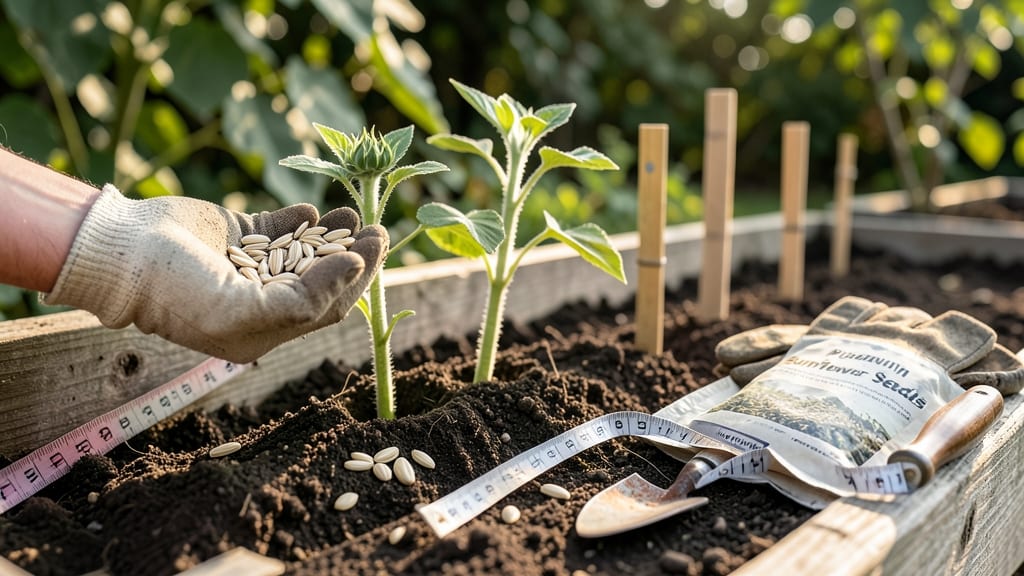
Plant sunflower seeds in Zone 8 about 2-4 weeks before your last frost date—typically mid-March—to give them time to reach 3 feet tall before summer’s peak heat arrives.
Sunflowers aren’t just beautiful—they’re hardy, fast-growing plants that thrive in Zone 8’s warm climate, but timing your planting just right ensures you’ll harvest towering stalks (not stunted ones).
Miss that window, and you risk weak stems from early heat or leggy plants if you wait too long. The key is balancing soil warmth (at least 60°F) with frost-free days ahead.
Below, I’ll break down the exact weeks before last frost for maximum height, plus pro tips to outpace pests and drought—so you end up with sunflowers that reach 10 feet or taller.
Zone 8 sunflower planting calendar: exact weeks before last frost for tallest stalks
Sunflowers in Zone 8 can reach heights of 10-14 feet, but timing your planting is everything. Planting too early risks seed rot from lingering cold, while planting too late stunts growth before the first frost.
The ideal window is 2-4 weeks before your last frost date, with soil temperatures above 55°F.
Your last frost date in Zone 8 typically falls around March 15, but this varies by 1-2 weeks depending on whether you're in a coastal (warmer) or inland (cooler) microclimate. For example, Los Angeles may see frost-free soil by early March, while Phoenix might wait until late March.
To find your exact last frost date, check the NOAA Climate Data tool or local weather station. Look for 32°F nighttime lows—the last occurrence marks your planting window.
For most Zone 8 gardeners, this means starting seeds indoors 2-3 weeks before or direct sowing outdoors 1-2 weeks after your last frost.
Here’s your Zone 8 sunflower planting calendar, broken down by variety type and soil conditions:
| Stage | Action | Soil Temp | Variety Notes |
|---|---|---|---|
| 4-6 Weeks Before Last Frost | Start indoors (early varieties) | 60-65°F | 'Teddy Bear' (dwarf), 'Moulin Rouge' |
| 2-3 Weeks Before Last Frost | Direct sow outdoors (all varieties) | 55°F+ | 'Russian Giant', 'Autumn Beauty' |
| 1 Week After Last Frost | Succession plant for continuous blooms | 60°F+ | 'ProCut' (cut flower), 'Sunspot' |
| Late Summer (Aug-Sept) | Fall planting for overwintering | 65°F+ | 'Pacific Giant', 'Evening Sun' |
For coastal Zone 8 areas (e.g., San Diego), you can plant 2 weeks earlier than inland regions like Arizona or Texas Hill Country. Coastal soils warm faster, reducing the risk of seed rot from cold, damp ground.
If you’re unsure, use a soil thermometer—wait until readings hit 55°F consistently for 5+ days.
If you plant too early, seeds may rot in cold, wet soil. A simple fix is to use black plastic mulch or plant in raised beds to warm the soil faster. Conversely, planting too late (after April 15) risks stunted growth before the first frost in November.
For tall varieties like 'Russian Giant', aim for a 120-day growing season, so late April plantings are your cutoff.
Pro tip: Use companion planting to extend your season. Pair sunflowers with bush beans or marigolds to deter pests like sunflower moths and improve soil health. Also, mulch heavily after planting to retain moisture and regulate soil temperature—critical for Zone 8’s heat spikes in late spring.
For fall plantings (August-September), choose heat-tolerant varieties like 'Autumn Beauty' or 'Evening Sun'. These can handle 90°F+ days and still bloom before winter. Plant seeds 1 inch deep and water deeply to encourage root growth before cooler temps arrive.
Track your sunflowers’ progress with a growth journal. Note when stalks reach 12 inches—this is when they’ll need staking for varieties over 8
How to extend your sunflower season in Zone 8: succession planting for continuous blooms
Zone 8 gardeners can enjoy sunflowers year-round with a smart succession planting strategy. By staggering plantings every 2-3 weeks from spring to fall, you’ll create a nonstop parade of blooms—even in small spaces or containers.
Sunflowers thrive in Zone 8’s mild winters, so don’t stop at spring! With the right timing, you can sow seeds in late summer for fall blooms that brighten your garden until frost. The trick is balancing soil warmth, daylight hours, and pest prevention.
- Spring Planting: Start 2-4 weeks before last frost (typically mid-March) for 6-10 ft stalks by summer.
- Summer Succession: Add new seeds every 2 weeks until July 15 to extend blooms into fall.
- Fall Planting: Sow August 1–15 for overwintering in mild Zone 8 winters; use black plastic mulch to retain heat.
- Container Hack: Plant 2 seeds per 5-gallon pot for compact growth—rotate pots weekly for even sun exposure.
For taller stalks, prioritize full sun exposure (6+ hours daily) and deep watering (1-2 gallons per plant). Sunflowers grown in containers or small gardens need extra care—use tomato cages for support and companion plants like basil or marigolds to deter pests.
Companion planting isn’t just about pests—it’s a growth hack. Pair sunflowers with beans or peas to fix nitrogen in the soil, or plant nasturtiums nearby to repel aphids. This symbiotic duo keeps your sunflowers healthy and towering.
Pro tip: Prune lower leaves to redirect energy to the stalk, and harvest seeds early to encourage a second bloom. With these tricks, your sunflowers will reach 12+ feet and keep blooming from spring to frost.
Extend your season further by saving seeds from your tallest stalks—plant them again in late summer for a second harvest before winter. Zone 8’s mild climate makes this possible!