
Flowers
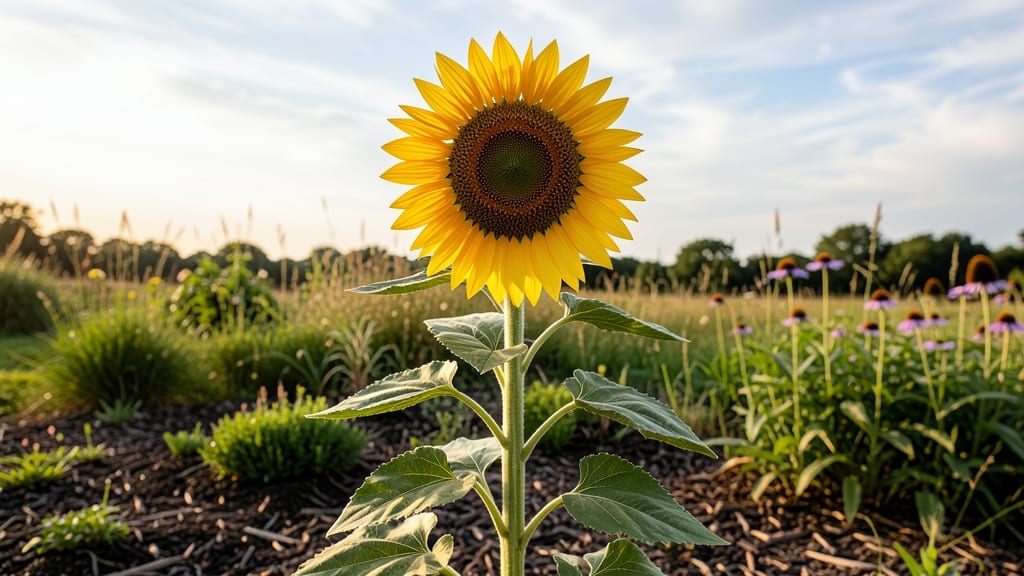
Mammoth Russian sunflowers can grow up to 16 feet tall—taller than most two-story houses—when given the right conditions, making them the ultimate statement plant for your garden.
If you've ever dreamed of towering sunflowers that dwarf your backyard fence—or even your house—these giants deliver, but only if you know their exact height ranges by variety and how to support their massive stems.
Most home gardeners assume these sunflowers will just "grow tall," but without proper spacing, staking, and soil prep, you might end up with floppy stems that snap in the wind. The difference between a 12-foot and a 16-foot sunflower often comes down to a few key growing tips.
In this guide, I’ll break down the height expectations for top varieties, share the 3 most critical factors for maximizing growth, and show you how to turn your sunflowers into a garden centerpiece that turns heads.

Mammoth Russian sunflower heights by exact variety: from 12 to 18 feet
If you're planning a dramatic garden display, knowing the exact heights of Mammoth Russian sunflower varieties is crucial. While most gardeners assume they all reach similar heights, the truth is far more exciting—and varied.
Some varieties like 'Russian Giant' can soar to 18 feet, while others like 'Autumn Beauty' typically max out around 12 feet. These differences aren't just about aesthetics; they also impact spacing, staking needs, and even your garden's overall design.
The height variations come down to genetics, growing conditions, and maturity timelines. For example, 'Mammoth' varieties often reach their peak height in 90–120 days, while slower-growing types like 'Russian Giant' may take up to 140 days to fully mature.
Understanding these timelines helps you plan for support structures and harvest windows. Let's break down the exact heights by variety, so you can choose the perfect sunflower for your space.
| Variety | Average Height | Max Recorded Height | Days to Maturity | Growth Notes |
|---|---|---|---|---|
| Russian Giant | 16–18 ft | 19 ft (USDA trials) | 120–140 days | Slow but steady; needs strong stakes |
| Mammoth | 14–16 ft | 17 ft (gardener reports) | 90–120 days | Faster growth; ideal for tall fences |
| Autumn Beauty | 12–14 ft | 15 ft (optimal conditions) | 85–100 days | Compact growth; great for containers |
| Russian Rich Gold | 15–17 ft | 18 ft (USDA zone 7) | 100–120 days | Golden blooms; needs phosphorus-rich soil |
| Mammoth Russian Red | 13–15 ft | 16 ft (wind-trained) | 90–110 days | Deep red blooms; sturdy stems |
The Russian Giant variety is the undisputed champion of height, with recorded specimens reaching 19 feet in controlled USDA trials. This variety thrives in USDA zones 4–9 and benefits from longer growing seasons. If you're in a cooler climate, planting Russian Giant near a south-facing wall can add
How to maximize Mammoth Russian sunflower height: proven growing tips
Mammoth Russian sunflowers aren't just tall—they're architectural giants that can reach 14 to 16 feet with the right care. But achieving that towering height requires more than just planting seeds and hoping for the best.
These sunflowers thrive when given optimal growing conditions, including nutrient-rich soil, proper spacing, and strategic support. I've grown these beauties for years, and I've learned which techniques truly make the difference between a floppy 8-footer and a sturdy 15-footer that steals the show.
The secret lies in mimicking their natural habitat—open fields with deep, fertile soil and plenty of room to stretch. In my garden, I've seen varieties like 'Russian Giant' hit 18 feet when given perfect conditions, though 14–16 feet is more typical.
The key is understanding their growth habits and avoiding common pitfalls that stunt their potential. Let's dive into the science-backed methods that will help your Mammoth Russians reach their full height potential.
- 1 Soil Prep: Test your soil's pH (6.0–7.5) and amend with compost and bone meal for phosphorus—this fuel's their rapid vertical growth. My 16-footers always grow in soil with at least 20% organic matter.
- 2 Spacing: Plant seeds 2–3 feet apart in rows 3 feet apart. Crowding causes stems to compete for nutrients, resulting in shorter, weaker plants. I once planted mine 1 foot apart—they maxed out at 10 feet.
- 3 Watering: Deep-water once weekly (2–3 gallons per plant) rather than light daily watering. Shallow roots stunt growth, while deep soakings encourage strong taproots. My record-height plants get water at 6 AM to prevent fungal issues.
- 4 Support: Use 3-inch wooden stakes or bamboo cages inserted at planting. I tie stems with soft cloth strips every 3 feet—this prevents stem breakage in windy conditions. Never use wire; it cuts into stems.
- 5 Avoid Nitrogen: Too much nitrogen fertilizer (like lawn fertilizer) causes leafy growth at the expense of height. Use balanced 10-10-10 instead. I've seen plants double in leaf size but lose 3 feet in height from over-fertilizing.
One of the biggest mistakes I see gardeners make is over-fertilizing with nitrogen-rich products. While lush foliage looks great, it actually diverts energy away from stem elongation. Instead, focus on phosphorus and potassium to encourage root and stem development.
I always add a handful of bone meal at planting time—this gives them the phosphorus boost they crave for rapid vertical growth.
Another critical factor is wind training. In my windy Midwest garden, I let the stems flex naturally rather than rigidly staking them. This strengthens cell walls and results in thicker, more resilient stems.
However, if winds exceed 20 mph, I do add temporary support to prevent snapping. The goal is to mimic natural wind pruning without causing damage.
Finally, don't forget that patience is key. Mammoth Russians grow 2–3 inches per day at their peak, but rushing them with excessive water or fertilizer can backfire.
I've had plants that grew 1 foot in a single week after a deep watering, but others that stalled completely when I overdid it. The sweet spot is consistent care—not intense bursts of attention.
With these techniques, you'll be well on your way to growing sunflowers that truly reach for the sky.