
Flowers
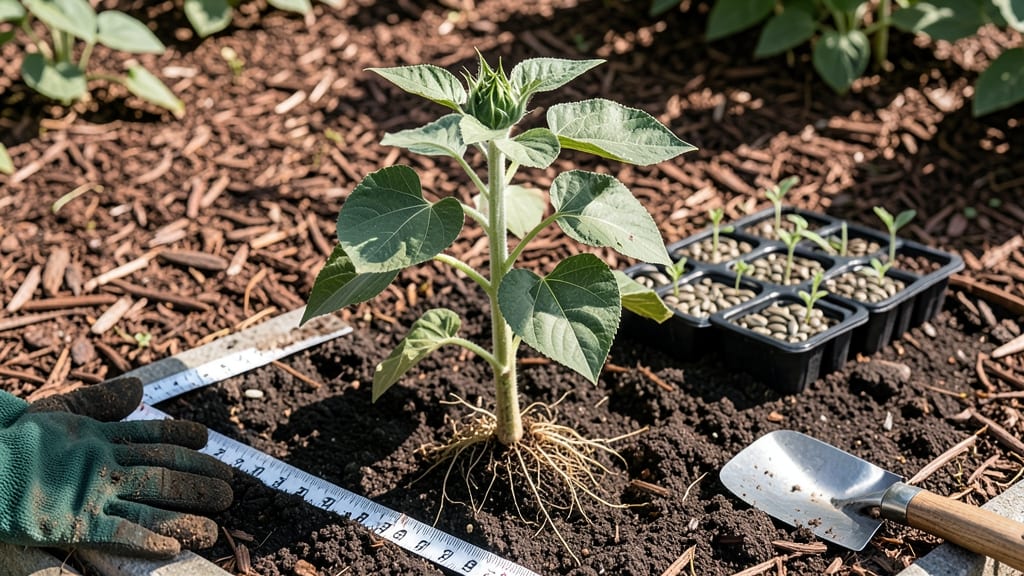
To plant sunflowers in Florida, aim for early spring or late summer when soil temperatures hit 55°F—this avoids the brutal summer heat that stunts growth or the frost risks in northern zones.
Sunflowers thrive in Florida’s warm climate—but planting them at the wrong time means wilted dreams instead of towering blooms. Timing is everything for maximizing growth, avoiding pests, and ensuring vibrant flowers from seed to stem.
Miss the ideal window, and you’ll face slow germination in cold soil or heat stress when seedlings struggle under the midday sun. The key? Planting when the weather cooperates with your sunflower’s fast growth cycle.
Here’s how to nail the timing for your Florida heat zone, whether you’re in Jacksonville’s cooler winters or Miami’s frost-free year-round climate.
Florida heat zones & sunflower planting deadlines by month
Florida’s climate varies dramatically from its northern panhandle to the Florida Keys, creating distinct heat zones that dictate the perfect time to plant sunflowers. In Zone 8A (Jacksonville), frost can still threaten in January, while Zone 10B (Miami) enjoys frost-free growing year-round.
Understanding these zones helps you avoid heat stress in summer or frost damage in winter, ensuring your sunflowers reach their full 10-foot height potential.
Sunflowers are warm-season plants that thrive when soil temperatures stay above 55°F. In Florida, this means two ideal planting windows: early spring (March-April) and late summer (August-September). Spring planting gives you blooms by June, while fall planting extends your harvest into November.
Let’s break down the best month-by-month deadlines for each of Florida’s key zones to maximize your sunflower success.
For northern Florida (Zones 8A-9A), timing is critical to avoid late spring frosts or summer heatwaves. Plant sunflower seeds 2 weeks before your last frost date (typically mid-March for Jacksonville). If you miss spring, wait until late August to give seedlings time to establish before fall rains arrive.
In central Florida (Zone 9A), you can push planting slightly earlier—mid-February—but always monitor soil temperatures with a soil thermometer to ensure they’re above 55°F.
In southern Florida (Zones 10A-11), you can plant sunflowers year-round, but the best results come from February-April and August-October windows. The peak summer months (June-July) bring intense heat and humidity, which can stress seedlings.
If you’re in Miami or the Keys, use shade cloth (30-50%) during the hottest hours to protect young plants until they’re 6 inches tall. This simple trick can mean the difference between wilting and thriving sunflowers.
One common mistake is planting sunflowers too early in spring when soil is still cool. Cold soil slows germination, leading to weak seedlings that struggle to compete with weeds. To test soil readiness, press your finger 1 inch deep—if it feels warm to the touch, it’s time to plant.
For container gardening, use black plastic pots to absorb heat and speed up germination in cooler months.
For extended blooms, consider successive planting every 2-3 weeks during your zone’s ideal window. This ensures a continuous display of sunflowers from June through November.
For example, in Orlando (Zone 9A), plant half your seeds in March and the other half in August to enjoy flowers all season. Pair this with dwarf varieties like ‘Teddy Bear’ (3-4 feet tall) for smaller gardens or tall varieties like ‘Russian Giant’ (12-16 feet) for dramatic backdrops.
Remember, sunflowers are heliotropic—they follow the sun! This means they’ll grow 30-50% taller in full sun compared to partial
How to adjust sunflower planting for Florida’s microclimates
Florida’s diverse microclimates—from coastal humidity to inland dryness—demand tailored sunflower care. Coastal areas like Miami or Fort Lauderdale face higher humidity and salt spray risks, while inland zones like Orlando or Tallahassee battle intense dry heat.
Even urban gardens in Miami’s downtown or Tampa’s suburbs require compact solutions. Adjusting your approach ensures robust growth and pest resistance.
For coastal sunflower gardens, prioritize well-draining soil with added compost to combat salt buildup. Inland zones need mulching to retain moisture, while urban spaces benefit from container gardening with lightweight, nutrient-rich mixes. Each environment also influences pest pressure, like sunflower moths thriving in humid coastal areas.
🌱Key takeaway🌱
🌿 Florida Microclimate Adjustments for Sunflowers
| Microclimate | Soil Prep | Shade Needs | Pest Control |
|---|---|---|---|
| Coastal (Humid) | Rinse soil with fresh water; add perlite | Partial shade for seedlings (30%) | Plant basil/marigolds nearby |
| Inland (Dry) | Mulch heavily; use drought-tolerant mix | Full sun after germination | Neem oil spray for moths |
| Urban (Limited Space) | Use large containers with drainage | Dappled shade for seedlings | Rotate crops yearly |
💡 Pro Tip: Test soil pH (6.0-7.0 ideal) and adjust with lime or sulfur before planting.
Start with soil preparation tailored to your microclimate. Coastal gardeners should rinse soil with fresh water to remove salt, then amend with perlite or sand for drainage. Inland zones benefit from organic mulch like straw or wood chips to lock in moisture.
For urban containers, use a lightweight mix of potting soil and coconut coir to prevent compaction.
Seedlings in humid coastal areas need shade protection—use 30% shade cloth until they’re 4-6 inches tall. Inland seedlings can handle full sun immediately but require deep watering every 2-3 days.
Urban containers dry out faster, so check soil moisture daily. Drip irrigation works best for all microclimates to avoid fungal issues.
Combat sunflower pests like moths and aphids with companion planting. Basil and marigolds repel moths in coastal gardens, while neem oil sprays work for inland dry zones. Urban gardeners can use row covers for young plants. Always rotate crops yearly to prevent soil-borne pests from building up.
🌻Final Tip: Monitor your sunflowers’ leaf color—yellowing in coastal areas may signal salt stress, while browning in inland zones often means drought. Adjust watering and soil amendments accordingly for peak blooms all season.