
Plants
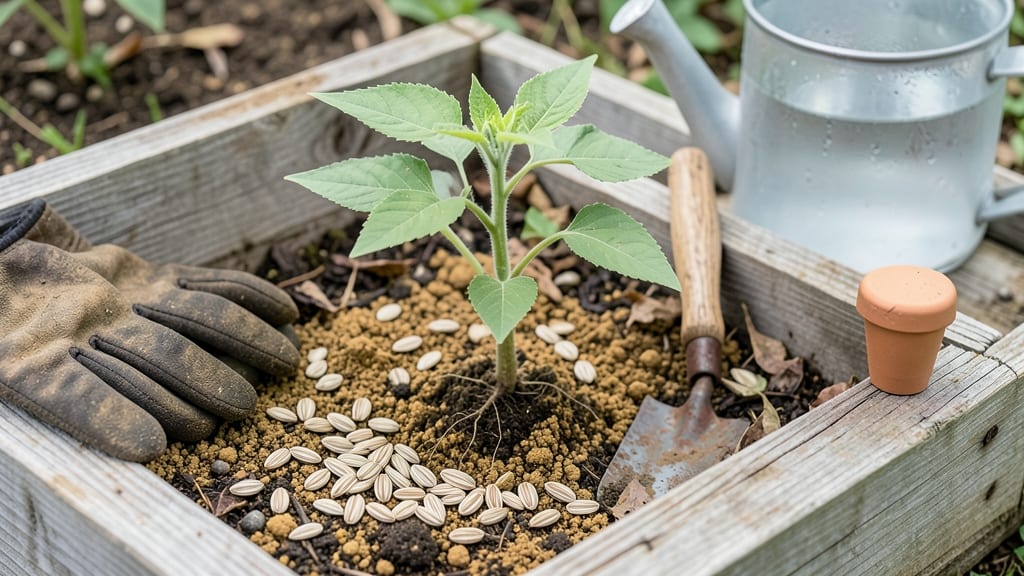
Planting sunflower seeds in Florida at the right time means the difference between 12-foot giants and sad, stunted stalks that bolt before blooming.
Florida’s warm climate can be both a gardener’s blessing and a challenge—sunflowers thrive in heat but need precise timing to avoid wilting before blooming. Get the schedule wrong, and you’ll miss those iconic golden faces towering over your garden.
Most Florida gardeners swear by late February to early March for spring plantings, when soil temperatures hit that sweet spot of 60°F—warm enough to germinate fast but cool enough to avoid stress.
But don’t stop there: late summer plantings in August can yield a second harvest before frost, if you’re willing to play the heat game.
Below, I’ll break down the exact months for your region, soil prep tricks to speed up growth, and how to tell when your 🌻 seeds are ready to pop—so you can go from dirt to dinner-plate sunflower seeds in just 75 days.
Best planting months for sunflowers in Florida’s climate zones
Florida’s unique climate—spanning USDA zones 8A to 10A—creates a year-round growing window for sunflowers, but timing is everything. Unlike northern states, we don’t have to worry about frost damage, but heat stress and humidity spikes can derail your plants if you plant at the wrong time.
The key is leveraging Florida’s two distinct planting seasons to ensure your sunflowers mature before summer’s peak intensity.
Sunflowers thrive in Florida’s heat but need consistent moisture during germination. Plant too early in zone 10A’s relentless summer, and your seeds may rot before sprouting. Plant too late in zone 8A’s cooler winters, and your blooms will struggle to reach their full 10-12 foot potential.
The sweet spot? A 60-90 day growing window before summer’s harshest months kick in.
Direct sowing is the preferred method for Florida gardeners—sunflowers hate transplant shock and establish roots quickly in warm soil. For transplants, start seeds indoors 4-6 weeks before your target outdoor date, using biodegradable pots to minimize root disturbance. However, most Florida gardeners skip this step and sow directly for simplicity and better success rates.
Microclimates play a huge role in Florida. Coastal areas in zone 9A-10A can plant 2-3 weeks earlier than inland regions due to moderating ocean breezes. Meanwhile, North Florida’s (zone 8A) cooler winters mean you’ll need to plant earlier in spring and later in fall to avoid heat stress.
Always check your local frost-free dates—even though Florida rarely gets frost, unseasonable cold snaps can occur.
Here’s your zone-by-zone planting guide, including optimal months, heat tolerance thresholds, and regional adjustments:
| Florida Zone | Best Planting Window | Direct Sowing Months | Transplant Window | Heat Threshold (°F) | Germination Rate | Key Consideration |
|---|---|---|---|---|---|---|
| Zone 8A (North FL) | March–April & September–October | Late March–April & Late Aug–Sept | Feb–March & Aug–Sept | 75–85°F (soil temp) | 85–95% (spring), 70–80% (fall) | Cooler nights extend growing season |
| Zone 9A (Central FL) | February–March & August–September | Feb–March & Late July–Aug | Jan–Feb & July–Aug | 80–90°F (soil temp) | 90–95% (spring), 80–85% (fall) | Avoid June plantings—peak heat stress |
| Zone 9B (Central FL) | January–February & July–August | Jan–Feb & Early July–Aug | Dec–Jan & June–July | 85–95°F (soil temp) | 92–97% (spring), 85–90% (fall) | Coastal areas can plant 2 weeks earlier |
| Zone 10A (South FL) | December–January & June–July | Dec–Jan & Early June–July | Nov–Dec & May–June | 90–100°F (soil temp) | 95–100% (spring), 75–80% (fall) | Shade cloth recommended for June plantings |
For zone 8A gardeners, focus on spring plantings (March–April) to ensure blooms by late summer before temperatures exceed 95°F.
In zone 10A, December–January plantings give you spring blooms, while June–July plantings risk heat stress—use shade cloth if attempting summer sowing. Zone 9A/B offers the most flexibility, with two strong planting windows and higher germination success rates.
Sunflowers in Florida are annuals, but with strategic staggered plantings, you can enjoy blooms from spring through fall. For example, plant a successive batch every 3 weeks in spring to extend your harvest window.
This works especially well for dwarf varieties like ‘Teddy Bear,’ which mature faster (60–70 days) and handle heat better than towering 12-foot giants.
Always test your soil temperature before planting—sunflower seeds need soil at least 60°F to germinate, but 70–85°F is ideal. Use a soil thermometer to check depth (1 inch down). In humid Florida summers, fungal diseases like powdery
Sunflower seed planting schedule: step-by-step timing guide
Florida’s long growing season means sunflowers can bloom nearly year-round, but timing is everything. Plant too early, and heat stress stunts growth; too late, and you’ll miss the peak summer blooms. The key is aligning your schedule with soil warmth and rainfall patterns—especially in Florida’s humid climate.
For towering varieties (up to 12 feet), start seeds when daytime temperatures consistently reach 70°F+. In most of Florida, this means mid-March to early April for spring plantings, with a second chance in late August for fall blooms.
Let’s break it down into actionable steps to ensure your sunflowers reach their full potential.
🌱 Step-by-Step Sunflower Planting Schedule for Florida
- 1 Test soil temperature (use a soil thermometer) – aim for 60°F+ at 2 inches deep. In Florida, this typically happens by late February to March.
- 2 Direct sow seeds ½ inch deep, spacing them 6 inches apart in rows 2 feet apart. Florida’s sandy soil drains quickly, so add compost for moisture retention.
- 3 Water deeply every 2-3 days—Florida’s summer heat demands 1 inch of water weekly. Avoid overhead watering to prevent fungal diseases like powdery mildew.
- 4 Thin seedlings to 12-18 inches apart once they reach 3 inches tall. This reduces competition and encourages taller stems—critical for Florida’s 12-foot giants.
- 5 Fertilize with 10-20-10 bloom booster when plants hit 1 foot tall. Florida’s nutrient-poor soils often need a monthly feeding during peak growth (May-July).
- 6 Monitor for pests like sunflower moths and diseases. In Florida’s humidity, neem oil or bacillus thuringiensis can prevent caterpillar damage without harming pollinators.
- 7 Harvest when back of flower head turns brown (typically 75-90 days after planting). Cut stems 2 inches above the head to preserve seeds for next season.
One common mistake Florida gardeners make is overwatering during summer showers. Sunflowers are drought-tolerant once established—let the soil dry slightly between waterings to prevent root rot. Pair your sunflowers with companion plants like basil or marigolds to deter pests naturally.
For fall plantings, aim for late August to give flowers time to mature before cooler weather sets in. In South Florida (zones 10A-11), you can even plant as late as October for winter blooms. Just be prepared to stake taller varieties if winds pick up.
With this schedule, your sunflowers will reach their full 12-foot potential, turning your Florida garden into a golden paradise. Happy planting! 🌻