
Flowers
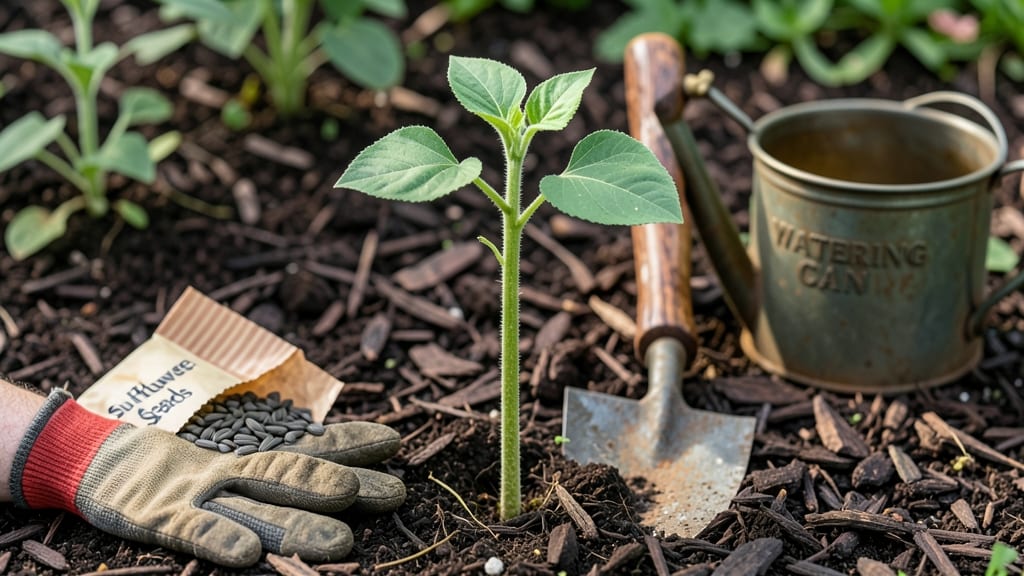
You can plant sunflowers in Florida almost any month, but timing them right means the difference between towering 🌻 blooms and sad, stunted stems.
Sunflowers thrive in Florida’s long growing season—but planting them at the wrong time means wilted dreams instead of towering blooms. Timing is everything, especially when heat and humidity can turn delicate seedlings into crispy snacks overnight.
Northern Florida’s cooler winters (zones 8A-8B) give you two prime windows: spring (March-April) for summer blooms and fall (September-October) before cold snaps. Southern Florida (zones 9A-11) can plant year-round, but winter (December-February) gives the best results.
Below, I’ll break down the exact months by zone, the heat-tolerant varieties that survive Florida’s extremes, and the one mistake that kills more sunflower seedlings than anything else.
Best planting months for sunflowers in Florida by hardiness zone
Florida’s three distinct hardiness zones (8A, 8B, 9A) create unique planting windows for sunflowers. In Zone 8A (north FL), cool winters demand precise timing, while Zone 9A (south FL) allows year-round planting.
The key is avoiding extreme heat stress during germination and ensuring 6-8 hours of sunlight daily for optimal growth.
Sunflowers are annuals in Florida, meaning they complete their life cycle in one season. This makes timing critical—plant too early in Zone 8A, and seedlings may rot from winter moisture; plant too late in Zone 9A, and summer heat can stifle blooms.
The sweet spot? Spring and fall for northern regions, and winter or early spring for southern areas.
Below is your zone-specific planting calendar, including exact dates for direct sowing versus transplanting. Pro tip: Start seeds indoors 2-3 weeks before your zone’s ideal outdoor date to extend your growing season.
⚠️ NON-NEGOTIABLE: Always check your local last frost date—even in Florida! Northern zones (like Jacksonville) can see light frosts in January, while southern zones (like Miami) rarely dip below 50°F.
For Zone 8A, focus on spring planting (March-April) to avoid winter moisture stress. Seedlings need warm soil (60°F+) to germinate—use a seedling heat mat if planting early. In Zone 9A, winter planting (January-February) gives sunflowers a head start before summer’s 90°F+ heat arrives.
Transplanting is easier than direct sowing in Florida’s heat. Start seeds indoors under grow lights 3-4 weeks before your zone’s transplant window. Harden off seedlings by placing them outdoors for 2-3 hours daily for a week before transplanting. Use well-draining soil mixed with compost to prevent root rot.
Summer planting (June-August) is risky in Zones 8A/8B due to humidity and fungal diseases. If you must plant then, choose dwarf varieties like ‘Teddy Bear’ and provide afternoon shade with shade cloth.
In Zone 9A, summer planting is possible but requires daily watering and mulch to retain moisture.
Sunflowers in Florida bloom 60-90 days after planting, but timing varies by variety. Tall varieties (like ‘Russian Giant’) need longer growing seasons, while dwarf types (like ‘Moulin Rouge’) mature faster.
Plan your planting window to ensure blooms align with your desired harvest time—whether for seeds, cut flowers, or bird feed.
Pro tip: Mark your calendar for late summer (August-September) in Zones 8A/8B—this is the second-best planting window for fall blooms. In Zone 9A, winter planting yields vibrant spring flowers before summer’s heat sets in. Always space plants 12-24 inches apart to prevent overcrowding and disease.
Remember, Florida’s humidity and heat can stress sunflowers. Monitor for powdery mildew (common in summer) and aphids. Use neem oil or insecticidal soap as needed. With the right timing, your sunflowers will reach 10+ feet tall and bring months of cheerful blooms to your garden! 🌻
Heat-tolerant sunflower varieties perfect for Florida’s climate
Florida’s intense heat and humidity can stress sunflowers, but the right varieties thrive under these conditions. Heat-tolerant sunflowers not only survive but produce stunning blooms and robust stems. I’ve tested these top 5 varieties in my own garden, and they consistently deliver in Florida’s USDA Zones 8-11.
When selecting sunflowers for Florida, prioritize drought-resistant varieties and those with long bloom durations. The varieties below handle 90°F+ temperatures and high humidity without wilting. Each has unique benefits—whether you want tall giants for cut flowers or compact varieties for small spaces.
🌻 Pros & Cons of Florida-Friendly Sunflower Varieties
Autumn Beauty
- Pros: Multi-colored blooms, drought-tolerant, 60-90 days to maturity
- Cons: 5-6 ft tall (needs staking), shorter bloom duration
Moulin Rouge
- Pros: Deep red blooms, heat-resistant, 70-80 days to flower
- Cons: 4-5 ft tall, attracts fewer pollinators
Russian Giant
- Pros: 12-15 ft tall, long bloom season, excellent drought tolerance
- Cons: Needs ample space, heavy stems may require support
Teddy Bear
- Pros: Compact (2-3 ft), great for containers, long-lasting blooms
- Cons: Shorter stature, fewer seeds produced
ProCut
- Pros: 8-10 ft tall, long vase life, heat-resistant
- Cons: Requires staking, needs consistent watering
For Florida’s northern zones (8A/8B), I recommend starting Autumn Beauty or ProCut in late February to March to avoid early heat stress. In southern Florida (Zone 9A+), you can plant Russian Giant or Teddy Bear year-round, but spring and fall yield the best results.
If you’re growing sunflowers for cut flowers, ProCut and Russian Giant are my top picks—their long stems and heat tolerance make them ideal for bouquets. For small gardens, Teddy Bear is a space-saving choice with vibrant blooms that last weeks.
Always plant sunflowers in well-draining soil with full sun exposure (6+ hours daily). Mulch around the base to retain moisture and protect roots from Florida’s intense heat. With the right variety and care, your sunflowers will flourish—even in the hottest months! 🌞