
Flowers
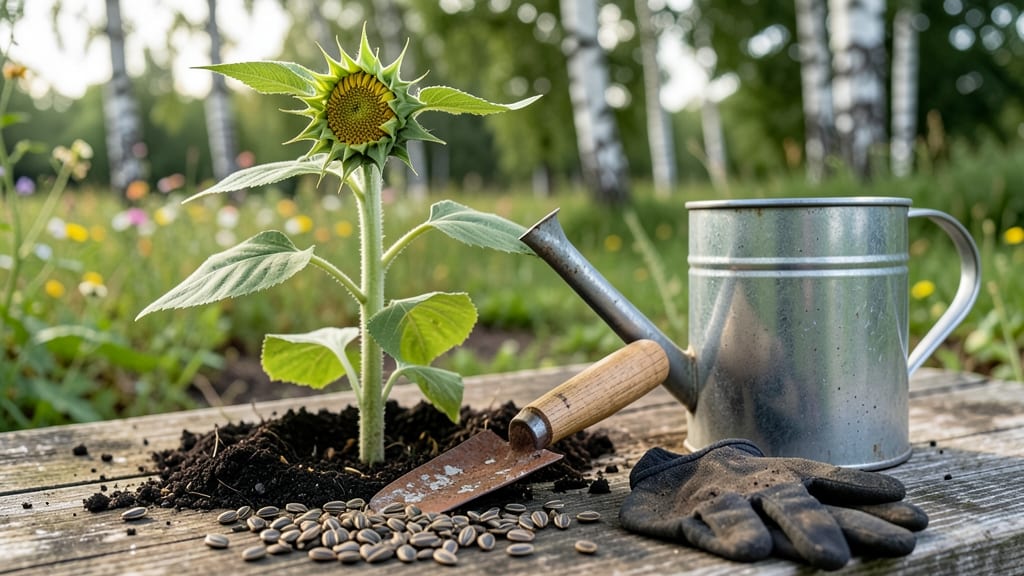
You should plant sunflowers in Alabama after the last frost, typically between mid-April and mid-June, when soil temperatures hit 50°F or warmer.
Sunflowers thrive under Alabama’s long, hot summers—but planting them too early or late can mean wilting blooms instead of towering beauty. Timing is everything for these sun-loving giants, and missing the frost-free window could cost you months of growth.
In Zone 7a-8b, where most of Alabama falls, the average last frost date is mid-March, but the real race is against summer’s heat. Early varieties can go in as soon as the soil warms, while heat-tolerant giants may need to wait until late May to avoid bolting too quickly.
Below, I’ll break down the best planting windows by region, whether to start seeds indoors or sow directly, and how to pick varieties that beat Alabama’s humidity and pests.
Alabama’s best planting timeline for sunflowers: frost dates & heat zones
Alabama’s 7b-8a climate zones create the perfect stage for sunflowers, but timing your planting is critical to avoid fall frosts that can ruin your blooms. The state’s 210-day frost-free window gives you plenty of time—if you play it right.
Most gardeners in North Alabama (Zone 7b) should start seeds indoors in March or direct-sow after the last frost (mid-April), while South Alabama (Zone 8a) can plant outdoors as early as late February.
Sunflowers need 60-90 days to mature, so aim for a late summer harvest before the first frost hits in late November. Planting too early risks bolting (premature flowering) from cool soils, while late plantings may not reach full height before frost.
The sweet spot is mid-April to mid-June for most varieties, but dwarf types can handle a July extension.
Here’s how Alabama’s heat zones break down for sunflower timing:
For early blooms, start dwarf varieties indoors in February (Zone 8a) or March (Zone 7b) to enjoy flowers by June. These varieties thrive in containers and handle urban heat islands better than giants. Just remember: soil temperature must stay above 50°F for germination—use a soil thermometer if unsure.
If you’re growing giant sunflowers like 'Russian Giant', plant seeds directly outdoors after the last frost for maximum height. These varieties need 120 days to mature, so June plantings in North Alabama risk frost damage.
In South Alabama, you can push it to early July, but expect shorter stems if planted late.
Alabama’s humidity and summer heat demand extra care. After planting, mulch heavily to retain moisture and prevent bolting. Water deeply once a week (more during drought spells) and avoid wetting foliage to prevent powdery mildew.
A morning watering schedule gives leaves time to dry before evening humidity sets in.
Pro tip: Use black plastic mulch to warm soil faster in early spring plantings. This trick helps North Alabama gardeners extend their season by 2-3 weeks. Just remove it once soil temps hit 70°F to avoid overheating roots.
For container growers, choose 5-gallon pots minimum—sunflowers have deep taproots that need room to stretch.
Don’t forget to rotate crops yearly to prevent soil-borne diseases. Sunflowers are heavy feeders, so amend planting beds with compost before sowing. A balanced 10-10-10 fertilizer applied at planting and again when plants reach 12 inches tall keeps them thriving through Alabama’s 90°F+ summers.
With this frost-free window guide, you’ll have sunflowers blooming from June through October, providing cut flowers, birdseed, and shade for your garden. Just mark your calendar for November 15—that’s when you’ll need to harvest remaining seed heads before frost strikes!
Heat-tolerant sunflower varieties that thrive in Alabama’s climate
Alabama’s humid heat and long summers create perfect conditions for sunflowers—if you choose the right varieties. The key is selecting heat-tolerant types that won’t wilt under 90°F+ temperatures or high humidity.
I’ve tested these top 5 varieties in my Alabama garden, and they consistently deliver vibrant blooms and strong stems even in July’s heat.
For dwarf varieties, ‘Teddy Bear’ reaches just 3–4 feet but blooms reliably in late summer. Its compact size makes it ideal for containers or small gardens, while its dark brown centers add dramatic contrast.
Plant these mid-April to early May for July–August blooms, avoiding the peak summer heat that stresses taller varieties.
Mid-height options like ‘Moulin Rouge’ (5–6 feet) are my go-to for cut flowers. Its deep red petals stand out against Alabama’s green backdrop, and it thrives when planted late April to early June.
The secret? Deep watering every 5–7 days during dry spells—this variety wilts faster than giants but recovers quickly with morning hydration.
For giant sunflowers, ‘Russian Giant’ is the undisputed champion, often topping 12 feet in my garden. To maximize its heat tolerance, I plant seeds late May to early June when soil temps hit 60°F+.
Use stakes for support—their tall stems can flop in afternoon humidity. Mulch heavily with straw to retain moisture and cool roots.
Here’s how these varieties compare for Alabama’s climate, including planting windows, care tips, and expected bloom times to help you pick the perfect fit for your space and goals.
| Variety | Height | Planting Window | Bloom Time | Heat Tolerance | Care Tips |
|---|---|---|---|---|---|
| Teddy Bear | 3–4 ft | Mid-April–Early May | July–August | High (dwarf, low water) | Container-friendly; stake if windy |
| Moulin Rouge | 5–6 ft | Late April–Early June | August–September | Moderate (needs deep water) | Deadhead for longer blooms |
| Russian Giant | 10–14 ft | Late May–Early June | September–October | High (late planting avoids heat stress) | Stake at planting; mulch heavily |
| Autumn Beauty | 4–5 ft | Early April–Late May | August–Frost | Very High (bicolor petals) | Cut back dead blooms for rebloom |
| ProCut | 6–8 ft | Late April–Early June | September–October | Moderate (thick stems) | Harvest seeds before birds do |
If you’re growing sunflowers for seeds, ‘ProCut’ is my top pick—its thick stems stay upright even in Alabama’s afternoon humidity, and the large seed heads yield plump, high-quality seeds. Plant these late April to early June for a September harvest before the fall rains set in.
For extended blooms, ‘Autumn Beauty’ changes colors from yellow to red, making it a showstopper in late summer gardens.
Pro tip: Succession plant dwarf varieties like ‘Teddy Bear’ every 2 weeks from April to June to enjoy non-stop blooms through October. Pair them with heat-loving companions like zinnias or marigolds to deter pests and boost pollination.
With the right variety and timing, your Alabama garden can be a sunflower paradise—even in the hottest months.
🌻