
Plants
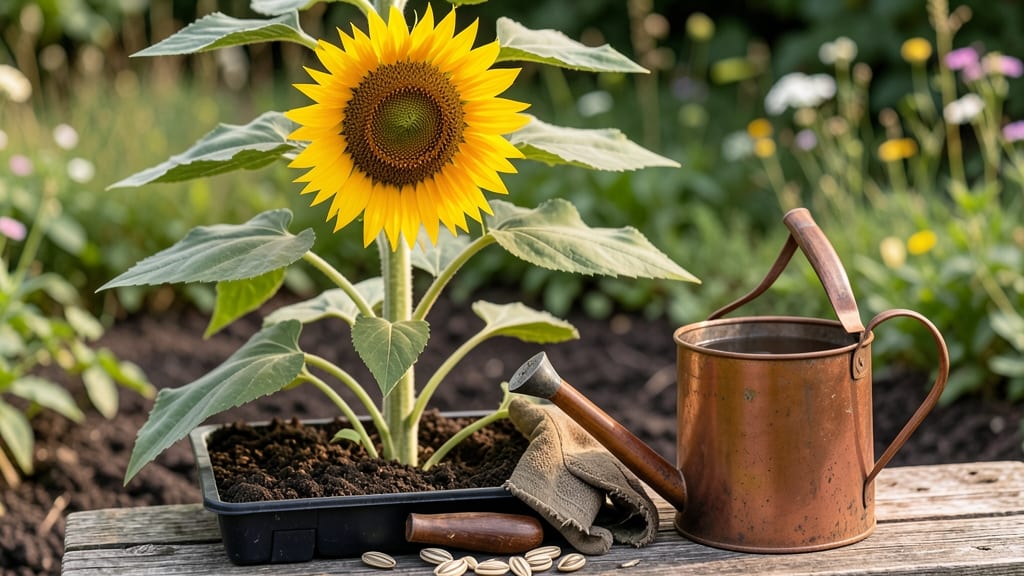
Plant sunflower seeds in Illinois after your last frost date — typically between mid-April and early June — to give those towering 🌻 varieties the long, warm season they need to reach their full height.
Miss that window, and you’ll end up with stunted plants or blooms that arrive too late to enjoy. I’ve seen 12-foot giants in my Illinois garden, but only after learning the hard way that timing is everything.
Whether you’re sowing directly into the garden or starting seeds indoors, knowing your USDA Zone (5-6) and local frost dates is the key to success. Northern Illinois gardeners have a shorter window than those in the southern part of the state.
Below, I’ll break down the exact dates, soil temperature tips, and how to adjust for Illinois’ unpredictable weather — so you can grow sunflowers that rival the ones in the field.
Optimal sunflower planting dates in Illinois by USDA Zone 5-6
Timing is everything when growing sunflowers in Illinois, where USDA Zones 5-6 bring unpredictable spring frosts and hot summers. For the tallest varieties like Mammoth or Russian Giant, planting too early risks frost damage, while waiting too late cuts bloom time.
My ideal window balances these risks for maximum height and flower production.
Illinois' last frost dates vary by region: northern areas (Zone 5) typically see frost by April 15, while southern areas (Zone 6) can plant as early as March 20.
I always wait 4-6 weeks after frost to ensure soil warms to 50°F+—sunflower seeds need consistent warmth to germinate reliably.
Soil temperature is more critical than air temperature. Use a soil thermometer to confirm 50°F+ at 2-inch depth before planting. In Zone 5, this usually means waiting until mid-May, while Zone 6 gardeners can start early April in protected microclimates.
For direct sowing (most common method), I plant seeds 1 inch deep and 6 inches apart in rows 2 feet apart. This spacing prevents overcrowding and allows air circulation, reducing fungal diseases common in Illinois' humid summers.
| Region | Zone | Last Frost | Optimal Planting Window | Soil Temp | Method |
|---|---|---|---|---|---|
| Northern IL | 5 | April 15 | Mid-May to June 1 | 50°F+ | Direct sow |
| Central IL | 5-6 | April 1 | Late April to May 15 | 50°F+ | Direct sow or transplant |
| Southern IL | 6 | March 20 | Early April to May 1 | 50°F+ | Direct sow or transplant |
If you prefer transplanting, start seeds indoors 4-6 weeks before your last frost date. Use biodegradable pots to avoid root disturbance. Harden off seedlings for 7-10 days before transplanting after soil warms to 55°F+.
For late summer blooms, I sometimes plant a second crop in early July. These sunflowers mature just before frost, adding color to fall gardens. Choose shorter varieties like Teddy Bear for this timing, as they mature faster than giants.
Illinois' clay-heavy soils can delay warming. Amend with compost or sand to improve drainage and speed up soil heating. In urban areas, raised beds warm faster and give you a 2-week earlier planting window.
Monitor 7-day forecasts for late frosts. If frost threatens after planting, cover seedlings with frost cloth or row covers. Sunflowers are frost-sensitive at the seedling stage but tolerate light frosts once established.
Remember: Tall varieties need staking or support in windy Illinois conditions. Plant near fences or trellises to prevent lodging, especially in northern regions with stronger winds.
How to adjust planting for Illinois weather extremes and sunflower variety height
Illinois' unpredictable weather—from late spring frosts to scorching summer heatwaves—can challenge even the hardiest sunflowers. But with the right adjustments, you can help your Mammoth or Russian Giant varieties thrive despite these extremes.
Tall sunflowers need extra care during drought and heat stress, and their planting depth and spacing should shift based on variety height.
For example, Mammoth sunflowers (reaching 10–14 feet) need deeper soil and wider spacing than dwarf varieties. Meanwhile, late frosts in northern Illinois (like those in USDA Zone 5) can delay planting by weeks compared to southern Illinois. Let’s break down how to adapt your approach for each challenge.
- 1 Adjust planting depth based on soil temperature: Plant 1 inch deep in cooler soils (50°F) but only ½ inch deep if soil is already 60°F+ to prevent rot in tall varieties like Russian Giants.
- 2 Space tall varieties (10+ ft) 24–36 inches apart to prevent shading and stem rot, while dwarf varieties (3–6 ft) can share 12-inch spacing in containers or borders.
- 3 Use mulch (straw or wood chips) to retain moisture during Illinois droughts, especially for Mammoth sunflowers, which need 1–2 inches of water weekly once established.
- 4 For late frost protection in Zone 5, start seeds indoors 2–3 weeks earlier (by mid-March) and transplant after May 15, using row covers if nights dip below 40°F.
- 5 Monitor heatwaves (>90°F) by providing shade cloth (30–50%) for young plants and increasing watering to deep soak every 3–4 days to prevent bolting or flower drop.
Tall sunflowers like Russian Giants also benefit from staking or cage supports when planted in windy areas, like northern Illinois. Their deep taproots help them survive drought, but container-grown varieties may need drip irrigation to mimic natural moisture levels.
Finally, adjust your harvest timing based on variety: Mammoth types take 90–120 days to mature, while dwarf varieties may be ready in 50–70 days. Plant a successive crop every 2 weeks in May–June to extend your bloom season and enjoy sunflowers from July through October.
With these adjustments, your sunflowers will stand tall and proud—even when Illinois throws its worst weather at them. 🌻