
Companion Plants
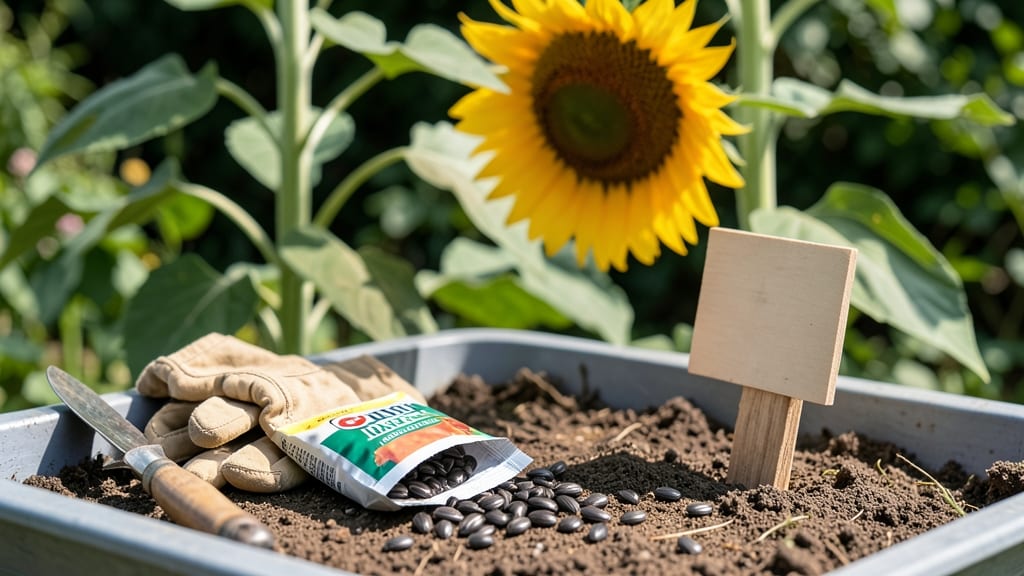
Planting sunflower seeds in Florida at the right time means the difference between a sunlit garden showstopper and a sad, wilted stalk.
Sunflowers bring vibrant color and towering beauty to Florida gardens—but planting them at the wrong time can leave you with wilted dreams instead of sunlit blooms. Timing is everything, and Florida’s unique climate demands precision to ensure your 🌻 sunflower seeds thrive.
Whether you’re in the cooler Zone 8a of North Florida or the frost-free warmth of Zone 11, the key is avoiding late frosts and extreme summer heat. The ideal window? Late winter through early spring (February to April) and again in fall (September to October).
In this guide, you’ll discover the exact months for your region, soil prep secrets, and how to adjust for Florida’s unpredictable weather. Let’s get those seeds in the ground at the perfect moment.
Best months to plant sunflower seeds in Florida’s climate zones
Florida’s climate is as diverse as its landscapes, with three distinct zones—North, Central, and South—each offering unique windows for planting sunflower seeds. Unlike northern states, Florida rarely faces frost, but timing still matters to avoid heat stress or humidity-related diseases.
Whether you're in Panhandle’s Zone 8a or Miami’s Zone 11, these guidelines will help you align your planting with Florida’s natural rhythms.
Sunflowers thrive in warm soil (at least 60°F) and direct sunlight, making early spring and late summer the sweet spots. In North Florida, where cooler nights linger, aim for February to April to avoid late-season heat.
Meanwhile, South Florida’s extended growing season lets you plant year-round, though summer heat can stress seedlings unless you take precautions.
Here’s the breakdown you need—exact months, soil temps, and frost-free dates tailored to Florida’s zones:
| Climate Zone | Best Planting Months | Ideal Soil Temp (°F) | Frost Risk | Key Considerations |
|---|---|---|---|---|
| North Florida (Zones 8a-9a) | February–April September–October |
60–70°F | Low (Jan–Feb) | Avoid late May heat; use shade cloth if planting in summer. |
| Central Florida (Zones 9b-10a) | January–March August–September |
65–75°F | None | Summer planting requires extra water and mulch to prevent stress. |
| South Florida (Zones 10b-11) | Year-round (peak: Feb–April, Sep–Oct) | 70–80°F | None | Use drought-resistant varieties for summer; monitor for powdery mildew. |
In North Florida, where last frost dates hover around January 15, planting in February ensures your seeds germinate before soil temperatures rise too high. The ideal window closes by April, as summer heat can cause seedlings to bolt (flower prematurely) or wilt.
For a fall crop, September is your last chance to avoid winter’s mild chill.
Central Florida’s longer growing season (Zones 9b-10a) lets you push planting into January or even August, but summer heat demands vigilance. Start seeds indoors in late July to transplant outdoors in August, or use shade cloth to protect young plants.
Avoid planting in June, when humidity spikes and fungal diseases like powdery mildew thrive.
South Florida gardeners enjoy the most flexibility, with year-round planting possible. However, summer heat (above 90°F) can stress sunflowers, so opt for fast-maturing varieties like ‘Moulin Rouge’ or provide afternoon shade. The best balance is planting in February–April for spring blooms or September–October for fall displays.
Regardless of your zone, soil temperature is the golden rule. Use a soil thermometer to confirm temps are 60°F+ before planting. If your soil runs cooler (common in North Florida), wait until mid-Februaryblack plastic mulch to warm the soil faster.
For container gardening, place pots in sunny, sheltered spots to maintain stable temperatures.
Pro tip: Stagger your planting by 2–3 weeks to extend your sunflower season. For example, plant a batch in February, another in March, and a final one in April.
This ensures continuous blooms from May through September, giving pollinators a steady feast and your garden a nonstop color show.
Remember, sunflowers are drought-tolerant once established, but they need consistent moisture during germination. Water deeply once a week (or daily in summer) and mulch to retain soil moisture.
With the right timing, your Florida sunflowers will reach their full towering potential, standing tall against the state’s iconic blue skies.
🌻
How to adjust planting time for Florida’s unpredictable weather
Florida’s weather can shift from sunny skies to sudden downpours in hours, making sunflower seed planting a delicate balance. The key to success lies in flexible timing and protective strategies that shield young plants from extreme conditions.
Unlike northern climates, Florida’s humidity and heat demand proactive adjustments—whether you’re in North Florida’s cooler zones or South Florida’s tropical heat.
My go-to strategy is staggered planting, which spreads risk across weeks rather than betting everything on one ideal window. For example, I plant 20% of seeds every 2 weeks from February through April, ensuring at least one batch thrives even if rain or heat strikes.
This method also extends your harvest window from summer into early fall, giving you continuous blooms.
⚠️ callout-warning ⚠️
Sunflower seeds need consistent soil moisture to germinate, but standing water from June’s storms or September’s hurricanes can drown them. If you must plant during peak rainy months (June-August), use raised beds with drainage or elevated containers to prevent root rot.
For North Florida (Zones 8a-9a), wait until after the last frost (mid-March) and avoid May’s heat spikes, which can scorch young seedlings. In South Florida (Zones 10a-11), plant in September-October to escape summer’s brutal sun.
Another critical tool in my arsenal is shade cloth, which I use to protect seedlings from intense afternoon sun or heavy rain. A 30-50% shade cloth reduces stress during Florida’s humidity spikes and prevents leaf scorch.
I secure it with stakes and clips and remove it once plants reach 6 inches tall, allowing them to harden off gradually.
Soil moisture is where many gardeners trip up. Florida’s sandy soils drain too quickly, while clay pockets hold too much water. My solution? Mulch heavily with straw or wood chips to retain moisture and regulate temperature.
I also water deeply in the morning—aiming for 1-2 gallons per plant—to encourage deep root growth before the heat of the day. Avoid evening watering, as wet foliage overnight invites fungal diseases like powdery mildew.
For late-season heat adjustments, I focus on fast-maturing varieties like ‘Moulin Rouge’ (50-55 days) or ‘Teddy Bear’ (60 days), which can bolt from seed to bloom before September’s storms.
If planting in fall (September-October), I use black plastic mulch to warm the soil and extend the growing season by 2-3 weeks. This trick is especially useful in North Florida, where cooler nights slow growth.
Finally, keep an eye on the 7-day forecast and adjust your planting schedule accordingly. If heavy rain is predicted, delay sowing until skies clear. If high heat warnings are issued, prioritize shade and extra water for existing seedlings.
With these weather-proofing strategies, your sunflowers will stand tall—no matter what Florida throws at them.