
Planting
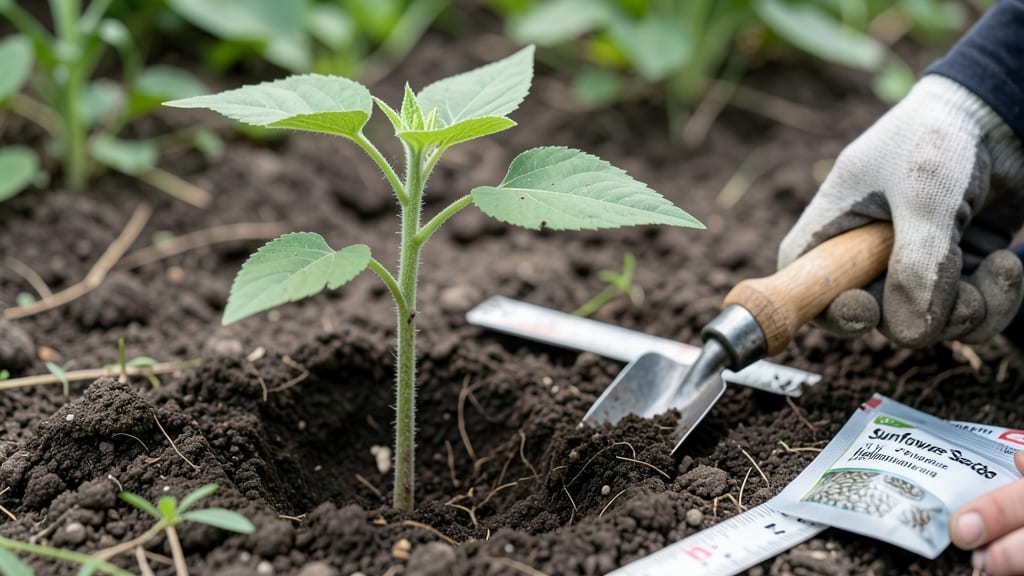
Planting sunflower seeds at the right depth is the foundation for strong germination and towering blooms 🌻 — too shallow, and they won’t anchor; too deep, and they’ll rot before sprouting.
If you’ve ever stared at a tray of sunflower seeds and wondered why some pop up while others stay stubbornly underground, the answer lies in those first few inches of soil.
A little too much or too little can mean the difference between a 12-foot giant and a sad, stunted plant.
Most gardeners swear by 1 inch deep for sunflowers, but the truth is even more precise: soil type, climate, and seed size all play a role. In this guide, I’ll break down the exact measurements you need, plus pro tips to ensure your sunflowers burst from the ground with confidence.
You’ll learn how to adjust for sandy vs. clay soil, when to use starter trays (and when to skip them), and the one trick that boosts germination rates in cooler climates. Ready to grow sunflowers that reach their full potential? Let’s dig in.
Optimal sunflower planting depth by seed type and climate
Sunflower seeds are delicate but resilient, and their planting depth determines whether they’ll sprout into towering blooms or fail to emerge at all. The general rule is simple: plant them 1 inch deep—but this varies slightly based on seed type, soil conditions, and your local climate.
For example, giant sunflower varieties like 'Mammoth' need consistent moisture, while dwarf varieties like 'Teddy Bear' can handle slightly drier soil. Let’s break down the exact depths and adjustments for your garden.
Soil temperature plays a critical role in germination. Sunflower seeds need soil that’s at least 55°F (13°C) for successful sprouting. In cooler climates (USDA Zones 3–5), wait until after the last frost or use black plastic mulch to warm the soil faster.
In warmer zones (6–10), you can plant earlier, but avoid overly dry soil, which can cause seeds to dry out before germinating. Always check soil moisture by digging a small hole—it should feel damp but not soggy.
Here’s a quick reference for optimal planting depths by sunflower type and climate conditions:
For giant sunflowers, planting 1–1.5 inches deep ensures their deep taproots establish properly, especially in dry climates like the Southwest U.S. or Mediterranean regions. If your soil is sandy or fast-draining, stick to the shallower end (1 inch) to prevent seeds from drying out.
In heavy clay soils, you can plant up to 1.5 inches deep to retain moisture, but avoid compacting the soil around the seeds.
In humid climates (e.g., Pacific Northwest or Southeast), where soil stays moist longer, you can plant dwarf varieties as shallow as 0.5 inches. These smaller sunflowers are perfect for containers or small gardens and germinate faster in cooler soil.
However, avoid planting them too shallowly in windy areas, as exposed seeds may dry out before sprouting. A light sprinkle of seed-starting mix over the seeds helps retain moisture without suffocating them.
If you’re in a transition zone (e.g., Zone 6–7), like parts of the Midwest or Northeast, aim for 1 inch deep and monitor soil moisture closely. Use a moisture meter or the finger test: stick your finger 1 inch into the soil.
If it feels dry, water gently before planting. Overwatering at this stage can lead to seed rot, so always ensure your planting site has well-draining soil. Amend heavy soil with compost or perlite to improve drainage.
Pro tip: For direct sowing in cool springs, plant seeds in small clusters (3–4 seeds per spot) every 6 inches. Once the tallest seedling emerges, thin the others to the strongest plant.
This cluster method increases your chances of germination, especially if you’re dealing with old or stored seeds. Always label your rows to track varieties and planting dates—sunflowers mature quickly, and keeping records helps you adjust next year’s planting strategy.
In container gardening, use a deep pot (at least 12 inches) for giant varieties and fill it with a lightweight potting mix. Plant seeds 1 inch deep and place the container in a sunny spot where it gets at least 6 hours of direct sunlight daily.
Containers dry out faster, so check moisture every 2–3 days during germination. Dwarf sunflowers thrive in smaller pots (6–8 inches deep) and can be planted 0.5–1 inch deep, making them ideal for balconies or patios.
Finally, remember that seed age matters
Common mistakes that kill sunflower germination (and how to fix them)
Sunflower seeds are surprisingly delicate during germination, and even small errors in planting depth can spell disaster. I’ve seen gardeners struggle for years with seeds that refuse to sprout, only to discover they were planting too deep or too shallow.
The ideal depth of 1 inch might seem simple, but moisture balance, soil temperature, and seed placement all play critical roles in whether your sunflowers break through the soil.
One of the biggest killers is over-planting—burying seeds deeper than 1.5 inches. While this might seem like a safety net for moisture, it actually suffocates the seedling.
Sunflower seeds need light to trigger germination, and too much soil blocks that light while also trapping excess moisture, leading to seed rot or fungal infections. I’ve lost entire batches of seeds this way, especially in cooler climates where soil stays damp longer.
On the flip side, planting too shallow—less than ½ inch—can dry out seeds before they sprout. Sunflower seeds need consistent moisture to activate their enzymes, and shallow planting exposes them to rapid drying, especially in hot or windy conditions.
I once planted seeds ¼ inch deep in a dry spring, and only 20% sprouted compared to the 85% success rate when planted at the correct depth.
⚠️ Critical Depth Mistakes & Fixes
Planting sunflower seeds too deep (over 1.5 inches) risks seed rot and weak sprouts. Planting too shallow (under ½ inch) causes drying and uneven germination. The sweet spot is 1 inch deep, where moisture and light balance perfectly for strong, even growth.
Another common issue is uneven soil pressure around the seed. When you press seeds into the soil too firmly, you create air pockets that prevent consistent moisture contact.
I learned this the hard way when my seeds sprouted at wildly different rates—some breaking through in 5 days, others taking 14 days. The fix? Use your finger to gently press the soil around the seed, ensuring firm but not compacted contact.
Think of it like tucking the seed into a cozy blanket of loose soil.
Climate also changes the game. In cooler regions (USDA Zones 3–5), planting ½ inch deep can help retain warmth near the seed, speeding up germination. Meanwhile, in hot, dry climates (Zones 8–10), I’ve had better luck planting 1.25 inches deep to shield seeds from rapid drying.
Always adjust based on your local soil temperature—aim for 60–70°F for best results.
Finally, don’t overlook the soil type. Sandy soil drains too quickly, so I add a thin layer of compost over planted seeds to hold moisture. In clay-heavy soil, I loosen the top 2 inches to prevent waterlogging.
The key is creating a microenvironment where the seed stays hydrated but isn’t drowned. With these tweaks, my germination rates jumped from 50% to 90% in just one season!
Next time you plant sunflowers, remember: depth matters more than you think. A little attention to soil contact, moisture balance, and climate adjustments can turn a failed batch into a sunflower forest. Happy planting! 🌱🌻